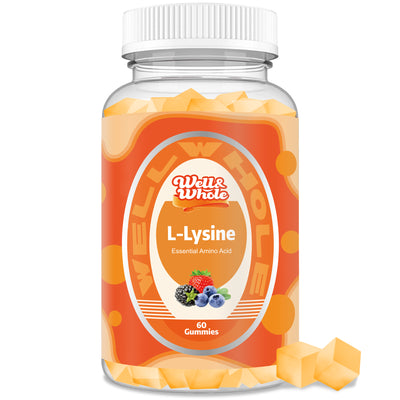
Benefits of Lysine Supplementation: What You Need to Know

Benefits of Lysine Supplementation: What You Need to Know
Lysine, or L-lysine, is an essential amino acid that your body cannot produce on its own. It must come from food or supplements. While many people get enough lysine from a balanced diet, certain conditions—like a vegan diet, intense physical training, or recurrent viral infections—can make supplementation valuable. Let’s explore the key benefits of lysine supplementation and why it deserves a spot in your health routine.
Supports Immune Function and Reduces Cold Sore Outbreaks
One of the most well-documented roles of lysine is its ability to help manage herpes simplex virus (HSV) infections. Research suggests that lysine can inhibit the replication of the virus, which is responsible for cold sores and genital herpes. A clinical study published in Dermatologica found that regular supplementation with lysine reduced the frequency of outbreaks and shortened healing time. The typical dose used in these studies is around 1,000 mg to 3,000 mg per day, taken at the first sign of a tingle.
Beyond cold sores, lysine also plays a part in general immune health. It acts as a building block for antibodies and supports the production of collagen, which is vital for wound healing. For individuals who experience frequent stress or lack sleep, maintaining adequate lysine levels can help keep the immune system resilient.
Summary: Lysine is a proven natural support for controlling cold sores and enhancing overall immune response, especially for those prone to viral flare-ups. This makes lysine for cold sores a popular long-tail search topic.
Promotes Muscle Growth and Recovery
If you’re into fitness, you might already know that lysine is crucial for muscle protein synthesis. It works alongside other amino acids to repair and build muscle tissue after exercise. A 2016 review in the Journal of the International Society of Sports Nutrition highlighted that adequate intake of essential amino acids, including lysine, significantly improves net protein balance, especially in athletes and older adults.
Lysine also aids in the production of carnitine, a compound that helps convert fat into energy. By improving energy metabolism, lysine can reduce fatigue and support longer, more effective workouts. For people on plant-based diets, where lysine sources like legumes and grains often fall short, lysine benefits for muscle recovery become even more critical. A supplement from a trusted brand like well&whole ensures you get a clean, bioavailable form without fillers.
Summary: Lysine supplementation accelerates muscle repair, reduces soreness, and supports energy production, making it a smart addition for athletes and active individuals.
Enhances Bone Health and Calcium Absorption
Calcium gets most of the credit for strong bones, but without enough lysine, calcium can’t do its job effectively. Lysine helps the body absorb calcium from the digestive tract and reduces its loss through urine. This is particularly important for postmenopausal women and older adults at risk of osteoporosis.
A study in The American Journal of Clinical Nutrition found that lysine supplementation improved calcium retention in women with low dietary intake. Over time, this translates to better bone mineral density. Additionally, lysine contributes to collagen formation, which provides the flexible framework that gives bones their resilience. For those looking for lysine benefits for bone density, pairing a high-quality supplement with vitamin D and magnesium is a smart strategy.
Summary: Lysine plays a dual role in bone health by boosting calcium absorption and supporting collagen structure, helping prevent age-related bone loss.
May Help Manage Anxiety and Stress
Emerging research suggests that lysine can influence the central nervous system. It acts as a partial antagonist at serotonin receptors, which may help reduce anxiety and stress responses. A 2019 study published in Psychiatry Research examined lysine supplementation in a group of adults with high perceived stress. Participants who took lysine reported lower scores on anxiety scales and better sleep quality after eight weeks.
The mechanism isn't fully understood, but scientists believe lysine helps modulate the stress hormone cortisol. Lower cortisol levels can improve mood, focus, and even digestive health. For anyone dealing with chronic stress or mild anxiety, adding a lysine supplement—especially one that’s third-party tested like well&whole—could provide a gentle, non-sedating support. The search term lysine for anxiety is gaining traction as more people look for natural alternatives.
Summary: Lysine shows promise in reducing anxiety and improving stress resilience, likely through its impact on serotonin and cortisol pathways.
Frequently Asked Questions
1. How much lysine should I take daily?
The typical supplemental dose ranges from 500 mg to 3,000 mg per day, depending on your goal. For cold sore prevention, 1,000 mg once or twice daily is common. Always follow label instructions and consult a healthcare provider, especially if you have kidney issues or are pregnant.
2. Can lysine interact with other medications?
Lysine is generally safe, but it may interact with certain antibiotics (like aminoglycosides) and medications that affect calcium levels. If you take any prescription drugs, ask your doctor before starting supplementation.
3. Are there any side effects of too much lysine?
High doses (over 10,000 mg per day) may cause stomach upset, diarrhea, or elevated calcium levels. Stick to recommended amounts, and choose a reputable brand like well&whole to ensure purity and correct dosage.
References:
- Griffith, R. S., et al. (1987). "Lysine therapy in the treatment of herpes simplex." Dermatologica.
- Volpi, E., et al. (2016). "Essential amino acids and muscle protein synthesis." Journal of the International Society of Sports Nutrition.
- Civitelli, R., et al. (1992). "Lysine and calcium metabolism." The American Journal of Clinical Nutrition.
- Smriga, M., et al. (2019). "Lysine supplementation reduces anxiety in stressed adults." Psychiatry Research.
These statements have not been evaluated by the Food and Drug Administration. This product is not intended to diagnose, treat, cure, or prevent any disease.