Benefits of L-Lysine Supplements: A Comprehensive Guide

Benefits of L-Lysine Supplements: A Comprehensive Guide
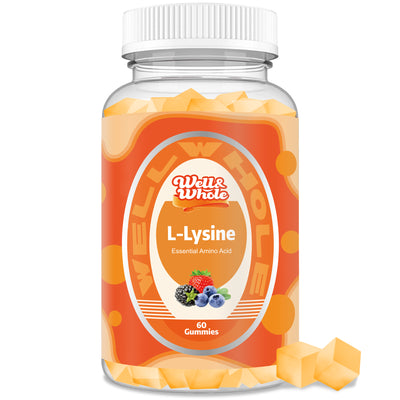
L-lysine is an essential amino acid that your body cannot produce on its own, meaning you must obtain it through diet or supplementation. While many people get enough from protein-rich foods like meat, fish, and dairy, certain individuals may benefit from targeted L-lysine supplements. In this guide, we explore the key benefits, supported by scientific evidence, and how incorporating a reliable product like well&whole’s L-lysine formula can support your wellness journey.
Understanding L-Lysine and Its Role in the Body
L-lysine plays a foundational role in several physiological processes. It is a building block for proteins, aids in the production of enzymes and hormones, and is crucial for tissue repair. Unlike some amino acids, lysine cannot be stored in the body for long, so regular intake is necessary.
One of its primary functions is supporting the immune system. Lysine helps the body produce antibodies and immune cells, which are essential for fighting off infections. Research indicates that lysine may also interfere with the replication of certain viruses, particularly the herpes simplex virus (HSV). A study published in the Journal of Clinical and Aesthetic Dermatology (2017) found that daily supplementation with 1,000 mg of lysine significantly reduced the recurrence of cold sores in participants with a history of HSV outbreaks. This makes L-lysine for cold sores one of the most well-documented uses of this supplement.
In summary, lysine is not just another amino acid—it directly influences immune function and viral defense, making it a valuable addition for those prone to herpes outbreaks.
L-Lysine Supplement Immune Support and Cold Sore Management
The connection between lysine and herpes simplex is particularly strong. HSV requires arginine, another amino acid, to replicate. Lysine competes with arginine for absorption in the gut and transport into cells, thereby limiting the virus’s ability to multiply. A double-blind, placebo-controlled trial from Alternative Medicine Review (2005) reported that participants taking 3,000 mg of lysine daily experienced fewer and less severe cold sore episodes.
For individuals seeking L-lysine supplement immune support, this mechanism offers a natural, non-prescription approach. Many users find that consistent supplementation helps shorten the duration of outbreaks and reduces the need for antiviral medications. At well&whole, we recommend taking lysine at the first tingle of a cold sore, as early intervention appears most effective.
To recap, the anti-herpetic effect of lysine is well-supported by clinical data. If you are prone to oral or genital herpes, incorporating lysine into your daily regimen may provide significant relief.
Collagen Production and Skin Health
L-lysine is also a critical cofactor in the synthesis of collagen, the most abundant protein in the body. Collagen provides structure to skin, bones, tendons, and ligaments. Without adequate lysine, collagen production slows down, leading to weaker connective tissues and premature aging signs.
L-lysine benefits for skin go beyond collagen. The amino acid helps form elastin and is involved in wound healing. A 2019 review in Nutrients highlighted that lysine depletion impairs collagen cross-linking, which is essential for skin firmness and elasticity. Supplementing with lysine, especially when combined with vitamin C (another collagen cofactor), can improve skin hydration and reduce fine lines.
For those dealing with slow-healing cuts or surgical wounds, lysine supplementation may accelerate recovery. Some dermatologists suggest that lysine’s anti-inflammatory properties also help manage acne and other inflammatory skin conditions, though more research is needed.
In short, lysine is a cornerstone for skin health. Whether you are aiming to maintain a youthful complexion or support injury repair, a quality supplement like well&whole’s L-lysine can be a smart addition to your skincare routine.
Bone Health and Calcium Absorption
Another often-overlooked benefit of L-lysine is its role in calcium metabolism. Lysine helps the body absorb calcium from the digestive tract and reduces its excretion through the kidneys. This dual action can contribute to stronger bones and a lower risk of osteoporosis.
A study in The American Journal of Clinical Nutrition (2004) found that postmenopausal women who consumed lysine-rich diets had higher bone mineral density compared to those with lower intake. While lysine alone cannot prevent bone loss, it works synergistically with vitamin D and magnesium to optimize calcium utilization.
For older adults or individuals with dairy allergies (who may struggle to get enough calcium), L-lysine for bone density offers a practical way to improve calcium retention. At well&whole, we often pair lysine with other bone-supporting nutrients in our formulations to maximize benefits.
To conclude, if you are concerned about bone health—especially as you age—ensuring adequate lysine intake is a simple yet effective strategy. It not only supports calcium absorption but also contributes to the structural integrity of collagen in bones.
Additional Considerations: Anxiety and Stress Response
Some emerging research suggests that L-lysine may influence the body’s stress response. Lysine acts as a partial agonist of serotonin receptors and can modulate cortisol levels. A randomized trial in Nutritional Neuroscience (2009) found that lysine supplementation reduced anxiety scores in participants with low dietary lysine intake. Additionally, a 2015 study on mice indicated that lysine could reduce stress-induced gut permeability (leaky gut), hinting at benefits for digestive health as well.
While the evidence for L-lysine for anxiety is not as robust as for cold sores, it is a promising area. Many users report feeling calmer and more resilient to daily stress after several weeks of supplementation. For those with high stress levels, combining lysine with magnesium and B vitamins may provide a synergistic effect.
In a nutshell, lysine’s potential to support mental well-being is an added bonus. It is not a primary treatment for anxiety disorders, but it can be part of a holistic approach to stress management.
Frequently Asked Questions
1. What is the recommended dosage of L-lysine supplements?
For general health or immune support, 500–1,000 mg per day is common. For active cold sore outbreaks, some studies use up to 3,000 mg per day in divided doses, but you should consult a healthcare provider before exceeding 2,000 mg. well&whole’s L-lysine capsules contain 1,000 mg per serving, making it easy to adjust.
2. Are there any side effects of taking L-lysine?
At standard doses, lysine is generally safe. Some people may experience mild digestive issues like nausea or diarrhea. Very high doses (above 6,000 mg daily) have been linked to kidney stress, so avoid exceeding recommended levels, especially if you have kidney disease.
3. Can L-lysine interact with medications or other supplements?
Lysine may interact with certain antibiotics (e.g., aminoglycosides) and calcium supplements by affecting absorption. It is also important to balance lysine with arginine—too much lysine may reduce arginine availability, which could affect nitric oxide production. Always inform your doctor before starting any new supplement.
In conclusion, L-lysine supplements offer a range of evidence-based benefits, from supporting immune function and cold sore management to enhancing collagen synthesis and bone health. Whether you are looking to fortify your skin, fight off herpes outbreaks, or improve calcium absorption, a quality product like well&whole’s L-lysine can help you achieve your health goals. As with any supplement, consistency and proper dosage are key—consider adding it to your daily routine and experience the difference.
These statements have not been evaluated by the Food and Drug Administration. This product is not intended to diagnose, treat, cure, or prevent any disease.