Beet Supplement for Cholesterol Does It Really Work

The Anatomy of a Beet: Key Compounds That Impact Your Heart
When we look at the humble beetroot, we see more than just a vibrant root vegetable. We see a nutritional powerhouse. If you are exploring a beet supplement for cholesterol or general cardiovascular health, understanding the raw science inside this plant is your first step. Let's break down the core compounds that make beets a heavy hitter for your circulatory system.
Dietary Nitrates
Dietary nitrates are the crown jewel of beetroot chemistry. Once consumed, your body kicks off a unique nitrite conversion process, turning these plant nitrates into nitric oxide.
- The Function: Nitric oxide relaxes and widens your blood vessels.
- The Heart Benefit: This process directly supports smoother blood flow and healthy blood pressure regulation.
Betalains and Flavonoids
The deep red hue of beets comes from antioxidant betalains and plant flavonoids. These aren't just for color; they are active defense molecules.
- Oxidative Stress Shield: They neutralize free radicals that can damage blood vessels.
- Lipid Protection: By reducing systemic inflammation, these antioxidants help protect circulating lipids from oxidation—a crucial factor in long-term heart health.
Soluble Fiber & Betaine
Beets pack a dual punch with their soluble fiber content and a specific amino acid called betaine. Together, they target metabolic efficiency.
| Compound | Primary Action | Cardiovascular Impact |
|---|---|---|
| Soluble Fiber | Binds to bile acids in the digestive tract | Helps the body naturally clear excess cholesterol lipids |
| Betaine | Helps break down homocysteine (an amino acid) | Protects blood vessels from structural irritation |
Getting these compounds into your daily routine is the fundamental starting point for serious lipid profile management.
Do Beet Supplement for Cholesterol Options Actually Work? Evaluating the Evidence
When you look into whether a beet supplement for cholesterol management actually delivers results, you have to look at the clinical data. The reality is nuanced. While beets are legendary for physical performance, their direct impact on your lipid profile management requires managing expectations.
The Effect on LDL ("Bad") Cholesterol
Clinical studies show that the soluble fiber content and antioxidant betalains in beetroot can help inhibit the absorption of dietary cholesterol in the gut. For many individuals, regular supplementation leads to a modest reduction in LDL cholesterol (low-density lipoprotein). However, beets are not a 1:1 statins alternative therapy. They work best as a supportive, natural tool rather than a aggressive, standalone solution for high LDL.
The Impact on HDL ("Good") Cholesterol and Triglycerides
Where beetroot extract capsules and organic beetroot powder truly shine is in overall cardiovascular health support rather than drastically shifting numbers.
- HDL Cholesterol: Research indicates minimal direct increases in HDL cholesterol (high-density lipoprotein) from beets alone.
- Triglycerides: Some evidence suggests the antioxidant compounds help prevent the oxidation of lipids, which is crucial because oxidized LDL is what actually damages arterial walls.
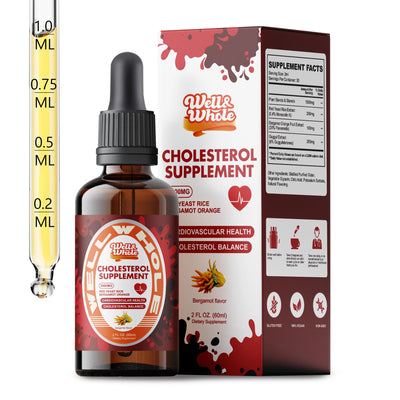
If your numbers require targeted, heavy-duty support, relying solely on beets might leave gaps in your routine. For a more comprehensive approach to managing your numbers, incorporating specialized cholesterol support liquid drops alongside your dietary changes can provide the targeted lipid support you need.
The Core Distinction
To get the most out of your heart-healthy supplements, you need to understand the core distinction between what beets do and what they don't do:
| What Beets Do Exceptionally Well | What Beets Cannot Do Alone |
|---|---|
| Boost nitric oxide production | Drastically slash severely high LDL numbers |
| Improve arterial flexibility and blood flow | Replace standard medical lipid therapies |
| Provide rich soluble fiber content | Compensate for a poor daily diet |
Beyond Lipids: The Dual Action of a Beet Supplement for Cholesterol
When you look into a beet supplement for cholesterol, you are actually unlocking a two-for-one deal for your cardiovascular health. Beets do not just stop at supporting your lipid profile management; they work overtime to optimize your systemic blood flow.
The Nitric Oxide Connection
The secret to this dual action lies in dietary nitrates. When you consume beetroot, your body kicks off a specific nitrite conversion process. Salivary bacteria convert these nitrates into nitrites, which then transform into nitric oxide in your stomach and blood vessels.
Nitric oxide acts as a natural signal for your vascular smooth muscle to relax. This vasodilation widens your blood vessels, directly supporting healthy blood pressure regulation and reducing the workload on your heart.
Clinical Backing
Solid clinical data backs up this mechanism. Research consistently shows that the nitric oxide production triggered by beetroot intake leads to a measurable drop in systolic and diastolic blood pressure within hours of consumption. For individuals managing overall cardiovascular risks, this immediate impact on arterial stiffness offers excellent support alongside standard wellness routines.
Synergistic Health
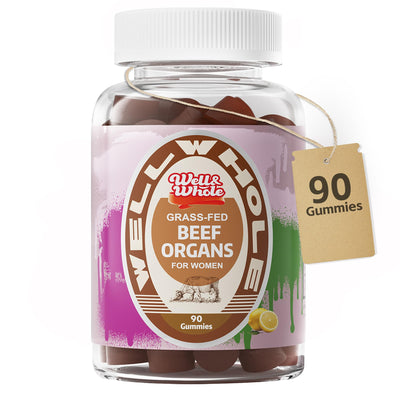
True heart health requires a multi-angled approach. While optimizing your blood pressure, your body also needs the right micronutrients to keep your vital organs running efficiently. To complement the vascular benefits of beetroot, a balanced approach often includes targeted organ support. Incorporating premium options like well&whole grass-fed beef organ gummies for women delivers vital nutrients like B12, iron, and cofactors that support overall metabolic and cardiovascular vitality from the inside out.
Choosing Your Delivery Method: Powder vs. Capsules vs. Juice
When looking for the best beet supplement for cholesterol management and cardiovascular health, how you take it matters. The active compounds, convenience, and how quickly they absorb vary significantly across different formats.
Here is how the top three delivery methods stack up for daily use.
Organic Beetroot Powder
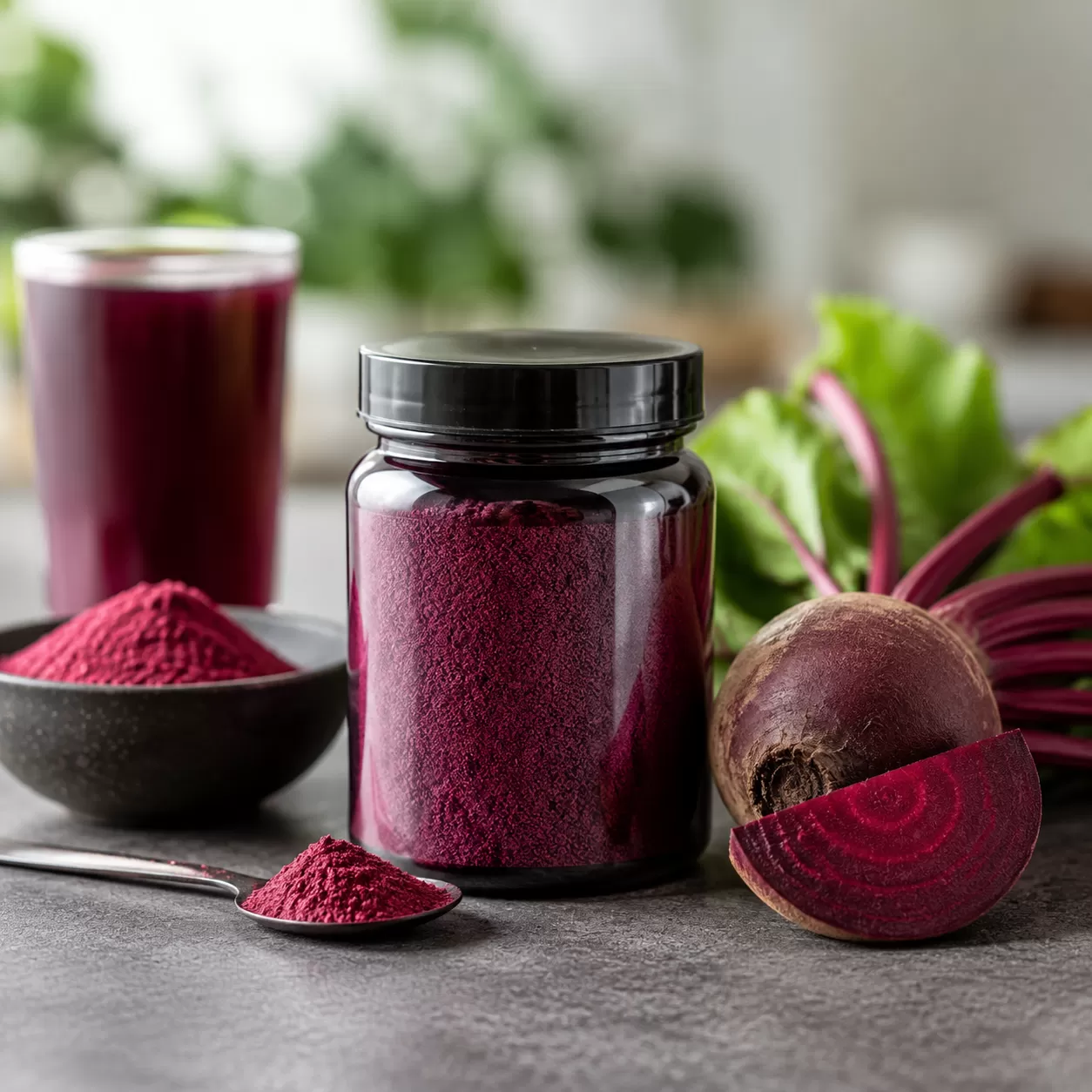
Organic beetroot powder is the most versatile option for raw potency. Made by dehydrating whole beets at low temperatures and grinding them into a fine powder, it preserves the natural soluble fiber content, antioxidant betalains, and dietary nitrates.
- Best For: Adding to pre-workout shakes, morning smoothies, or water.
- Pros: Cost-effective, minimally processed, and contains whole-food fiber.
- Cons: Has a strong, earthy beet flavor that some people dislike.
Beetroot Extract Capsules
For those who want the cardiovascular benefits without the taste, beetroot extract capsules are the ultimate convenience. These supplements feature highly concentrated doses of beet extract packed into easy-to-swallow pills.
- Best For: Busy schedules, travel, and anyone sensitive to the taste of beets.
- Pros: Exact dosing, zero mess, and completely tasteless.
- Cons: Misses out on the dietary fiber found in whole powders.
If your goal is comprehensive biological support, pairing these capsules with target formulas like circulation supplements for legs can further optimize total systemic blood flow.
Concentrated Beet Juice
Concentrated beet juice provides the fastest pathway for nitric oxide production. Because it is already a liquid, your body processes the dietary nitrates rapidly, making it a favorite among endurance athletes and those looking for an immediate impact on blood pressure regulation.
- Best For: Rapid pre-workout consumption or quick morning shots.
- Pros: Fast-acting and highly potent per serving.
- Cons: Often high in natural sugars and requires refrigeration after opening.
Delivery Methods at a Glance
| Delivery Method | Absorption Speed | Taste Profile | Convenience Factor | Key Benefit |
|---|---|---|---|---|
| Organic Powder | Moderate | Earthy / Strong | Medium | Preserves whole-food fiber & nutrients |
| Extract Capsules | Slow (Digestive Release) | Tasteless | High | Mess-free, precise daily dosing |
| Concentrated Juice | Fast | Sweet / Earthy | Medium | Rapid nitric oxide delivery |
Safety, Side Effects, and Smart Precautions
While using a beet supplement for cholesterol management is highly effective for most people, you need to stay smart about daily use. Natural doesn't mean zero side effects. Knowing how your body processes concentrated beetroot is key to avoiding surprises and protecting your health.
Beeturia
Do not panic if you notice a pink or reddish tint in your urine or stool. This condition is called beeturia. It occurs when the natural pigments in the beets aren't fully broken down by your stomach acid. It is completely harmless, temporarily visual, and affects about 10% to 14% of the population.
Oxalates and Kidney Health
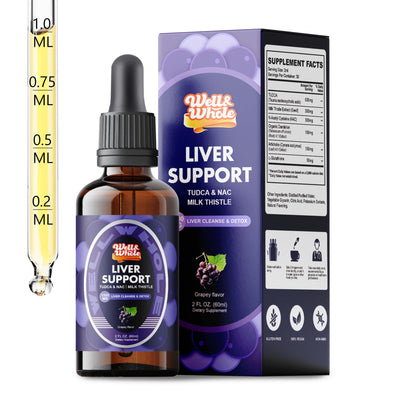
Beetroot is naturally high in oxalates, which are organic compounds that can bind with calcium in your urinary tract. If you have a history of calcium oxalate kidney stones, taking a daily beet supplement for cholesterol could inadvertently trigger a flare-up. Moderating your intake and drinking plenty of water is essential. If you are focusing on total-body filtering systems, balancing your routine with targeted blends like our liver support liquid drops supplement can keep your body's natural detoxification pathways running smoothly.
Medication Interactions
Because beets are powerhouses for blood pressure regulation and nitric oxide production, they change how your blood vessels behave. This means you must exercise caution if you take prescription medications.
- Blood Pressure Meds: Combined with antihypertensives, beets can drop your blood pressure too low (hypotension).
- ED Medications: Mixing beets with PDE-5 inhibitors can cause a dangerous, sudden drop in blood pressure.
- Statins: Always talk to your doctor before using beets as a complementary natural cholesterol reducer alongside prescription lipid therapies.
The well&whole Blueprint for an Optimal Lipid Profile
Managing your cholesterol isn't a one-and-done task. While adding a quality beet supplement for cholesterol support is a fantastic step for your cardiovascular health, relying on just one ingredient rarely moves the needle all the way. True lipid profile management requires a multi-layered strategy that tackles heart health from every angle.
Why a Single Ingredient Isn't Enough
Your body is a complex web. While the dietary nitrates and antioxidant betalains in beets do an incredible job supporting blood pressure regulation and blood flow, they don't work in a vacuum. If your liver is sluggish or your cellular health is compromised, your body will still struggle to balance LDL cholesterol and HDL cholesterol. To truly optimize your numbers, you need to combine the nitric oxide power of beets with nutrients that support metabolic clearance and cellular defense. For example, maintaining overall systemic balance often means supporting your body’s natural cleansing pathways, which is why we love pairing heart-healthy routines with targeted wellness support like tudca gummies with milk thistle to keep liver function firing on all cylinders.
Synergistic Nutrients
To maximize the benefits of your beetroot routine, look for these compounding nutrients:
- CoQ10: Essential for cellular energy, especially if you use a statins alternative therapy.
- Omega-3 Fatty Acids: Critical for keeping triglycerides in check while beets focus on circulation.
- Plant Sterols: Work in the gut to block cholesterol absorption, perfectly complementing the systemic benefits of beets.
Actionable Lifestyle Checklist
To get the absolute most out of your heart-healthy supplements, implement this daily checklist to build a bulletproof foundation for your heart:
- Move Daily: Aim for 30 minutes of brisk walking to naturally boost your HDL cholesterol.
- Load Up on Fiber: Combine the soluble fiber content of your diet with oats, beans, and sprouts to bind and flush out excess cholesterol.
- Hydrate for Nitric Oxide: Drink plenty of water to assist the nitrite conversion process and keep your blood flowing smoothly.
- Ditch Refined Sugars: High sugar intake spikes triglycerides and undermines the hard work your supplements are doing.
Related supplements
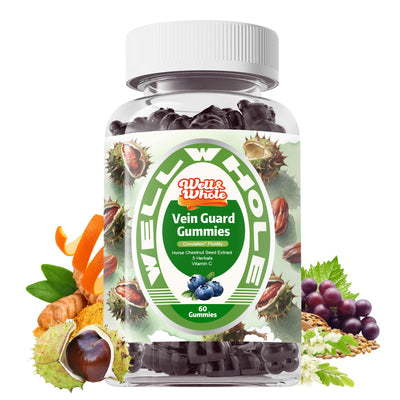
Putting it simply: if this is something you want to add to your routine, our Well&Whole Horse Chestnut Extract Gummies, Circulation Supplements for Legs and Cayenne Pepper Heart Health Gummies with Hawthorn & CoQ10 & Turmeric are a good place to start. The wider Heart Health collection is worth a look, and the CoQ10 range covers related formats.
These statements have not been evaluated by the Food and Drug Administration. This product is not intended to diagnose, treat, cure, or prevent any disease.