Beef Organ Sourcing: Why Grass-Fed and Pasture-Raised Matter
Why does grass-fed matter for beef organ supplements? Discover how sourcing affects nutrient density, purity, and the quality of your supplement.

When you buy a beef organ supplement, you're not just buying vitamins and minerals—you're buying the nutritional output of an animal's entire life. What that animal ate, how it lived, and the environment it inhabited all directly determine the quality and density of the nutrients in its organs.
This is why the terms "grass-fed" and "pasture-raised" aren't just marketing buzzwords. They describe a fundamentally different approach to raising cattle, one that produces measurably different organ tissue—both in nutrient profile and purity.
In this article, we'll explore why sourcing matters, what the research shows about grass-fed vs. grain-fed organs, and how to evaluate whether your supplement comes from the best possible source.
What "Grass-Fed" and "Pasture-Raised" Actually Mean
Grass-Fed
"Grass-fed" means the cattle consumed a diet of natural grass and forage rather than grain-based feed. Truly grass-fed cattle graze on pasture for most or all of their lives, eating the diet their digestive systems evolved to process.
However, the term has some nuance. The USDA previously maintained a formal grass-fed certification standard, but withdrew it in 2016. This means consumers and supplement buyers must rely on manufacturer transparency and third-party certifications to verify grass-fed claims.
Pasture-Raised
"Pasture-raised" refers to the animal's living conditions—access to open pasture where they can graze naturally, as opposed to confined feedlot environments. Pasture-raised cattle have space to move, fresh air, and sunlight, which contributes to healthier, less stressed animals.
Together, grass-fed and pasture-raised represent the closest approximation to cattle's natural lifestyle—and the science shows it makes a real difference in the quality of their organs.
The Nutritional Difference: What the Science Shows
1. Healthier Fat Profiles
The most well-documented difference between grass-fed and grain-fed beef is in the fat composition. A 2010 study in the *Asia Pacific Journal of Clinical Nutrition* found that grass-fed beef had significantly higher levels of omega-3 fatty acids and a healthier omega-3 to omega-6 ratio compared to grain-fed beef.
While organ supplements are typically defatted or low-fat, the fat-soluble vitamins (A, D, E, K) are carried in fat tissue. Healthier fat profiles in grass-fed animals correlate with better-preserved fat-soluble vitamins.
2. Higher Antioxidant Content
Grass contains a rich array of antioxidants—including carotenoids, tocopherols, and flavonoids—that grain-based feed lacks. A 2018 study in *Meat Science* demonstrated that cattle raised on pasture had significantly higher levels of vitamin E (tocopherol) and beta-carotene in their tissues compared to grain-fed animals.
These antioxidants don't just benefit the animal—they carry through to the supplement consumer. Higher antioxidant content means more protection against oxidative stress and better preservation of sensitive nutrients like vitamin A.
3. Better Mineral Profile
The mineral content of an animal's tissues is influenced by the soil and forage it consumes. Pasture-raised cattle grazing on mineral-rich soil produce organs with higher concentrations of essential minerals like zinc, selenium, and copper.
A 2019 analysis in the *Journal of the Science of Food and Agriculture* found that organ meats from pasture-raised cattle had measurably higher selenium and zinc levels than those from feedlot animals. These minerals are essential for immune function, antioxidant defense, and metabolic health.
4. Lower Risk of Contaminants
Feedlot environments, with their high density of animals and reliance on grain-based feed, are associated with:
- Higher antibiotic use (to prevent disease in crowded conditions)
- Greater risk of bacterial contamination
- Potential pesticide and GMO exposure from grain feed
Grass-fed, pasture-raised cattle are generally raised without routine antibiotics and have lower exposure to agricultural chemicals. This translates to cleaner organ tissue with fewer potential contaminants.
Grass-Fed vs. Grain-Fed Organs: Summary
| Factor | Grass-Fed, Pasture-Raised | Grain-Fed, Feedlot |
|---|---|---|
| Omega-3 fatty acids | Higher | Lower |
| Omega-6:Omega-3 ratio | Healthier (lower) | Less favorable (higher) |
| Antioxidants (vitamin E, beta-carotene) | Higher | Lower |
| Minerals (zinc, selenium) | Higher | Variable |
| Antibiotic exposure | Minimal | Potentially higher |
| Stress levels (animal welfare) | Lower | Higher |
| Environmental impact | Lower (carbon sequestration in pasture) | Higher (feed production, waste) |
Why This Matters for Supplements
When organs are freeze-dried and concentrated into supplement form, the differences between grass-fed and grain-fed sources are amplified. A supplement is essentially a concentrated version of the source material—so any nutritional advantages (or disadvantages) of the source are magnified.
If you're taking an organ supplement specifically to obtain nutrients like vitamin A, B12, iron, or choline, you want those nutrients to come from the healthiest, most nutrient-dense source possible. Grain-fed organs may still contain these nutrients, but grass-fed organs deliver them in a more complete, antioxidant-rich, and contaminant-free package.
Additionally, the freeze-drying process preserves the nutrients as they existed in the animal. If the animal's tissues were nutritionally superior due to a grass diet, the freeze-dried supplement retains that superiority.
How to Evaluate Sourcing Claims
Not all "grass-fed" claims are created equal. Here's what to look for when evaluating a supplement's sourcing:
1. Transparency About Origin
Quality brands are transparent about where their organs come from. Look for brands that specify:
- The country or region of origin
- The farming practices used
- Whether the cattle are 100% grass-fed or "grain-finished"
2. Third-Party Verification
Look for certifications or third-party testing that verifies sourcing claims. Independent audits provide accountability that self-reported claims cannot.
3. No "Grain-Finished" Loopholes
Some beef is labeled "grass-fed" even if the cattle were grain-finished (fed grain in the last months of life). This practice can negate many of the nutritional benefits of grass feeding. True grass-fed means grass for the animal's entire life.
4. Pasture-Raised Verification
"Grass-fed" describes diet; "pasture-raised" describes living conditions. The best supplements come from cattle that are both—eating grass while living on open pasture.
5. Purity Testing
Quality supplements test their finished products for heavy metals, microbes, and other contaminants. This is especially important for organ supplements, as organs can accumulate environmental toxins from poor farming practices.
The well&whole Standard
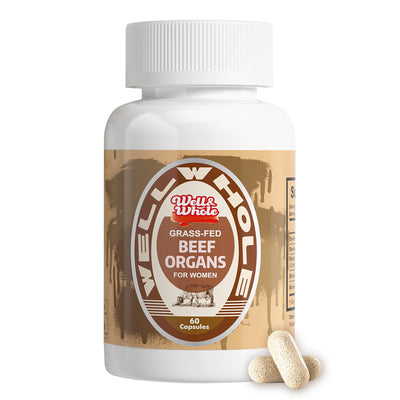
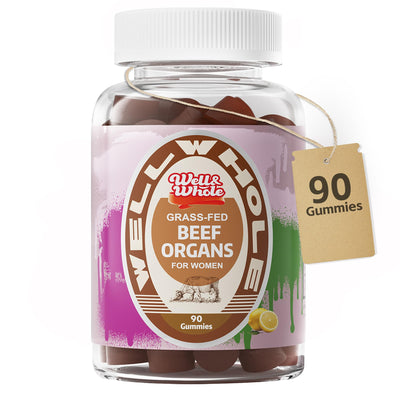
At well&whole, we believe sourcing is the foundation of supplement quality. Our beef organ products—including Grassfed Beef Organ Capsules and Grass-Fed Beef Organ Gummies for Wome—are made from grass-fed, pasture-raised cattle. We use freeze-drying to preserve the full nutrient profile, and we're committed to transparency about our sourcing.


Our organs come from cattle raised on natural pasture without routine antibiotics, ensuring that what you get is as close to nature's original design as possible.
FAQ
Q: Is grass-fed beef organ really that much better than grain-fed?
A: Research shows grass-fed organs have higher antioxidant levels, healthier fat profiles, and better mineral content. For a concentrated supplement, these differences matter.
Q: How can I verify that a supplement is truly grass-fed?
A: Look for brand transparency about sourcing, third-party certifications, and purity testing. Reputable brands will readily share this information.
Q: Does grass-fed affect the price of the supplement?
A: Grass-fed, pasture-raised cattle are more expensive to raise, which can reflect in product pricing. However, the nutritional quality difference justifies the investment for most consumers.
Q: Are grass-fed organ supplements free from contaminants?
A: While no food product can be guaranteed 100% free of all contaminants, grass-fed, pasture-raised cattle have significantly lower exposure to antibiotics, pesticides, and feedlot-related contaminants. Quality brands also test their products.
Q: What's the difference between "grass-fed" and "organic"?
A: "Organic" refers to certification standards (no synthetic pesticides, no GMOs, no routine antibiotics). "Grass-fed" refers to diet. The best products are both grass-fed and raised according to organic-equivalent practices.
Q: Does the country of origin matter?
A: Different countries have different farming standards and soil profiles. Look for regions known for strong agricultural regulations and rich pastureland.
Q: Why doesn't well&whole use grain-finished cattle?
A: Grain finishing can negate the nutritional advantages of grass feeding. We use 100% grass-fed cattle to ensure the highest nutrient quality in our supplements.
Conclusion
When it comes to beef organ supplements, the source isn't a detail—it's the foundation. Grass-fed, pasture-raised cattle produce organs that are nutritionally superior, cleaner, and more aligned with what your body expects from whole-food nutrition.
The research is clear: grass feeding results in higher antioxidants, better mineral profiles, healthier fats, and lower contaminant risk. For a concentrated supplement where every milligram counts, these differences are amplified, not diminished.
When you choose well&whole Grassfed Beef Organ Capsules or Grass-Fed Beef Organ Gummies for Women, you're choosing supplements built on the principle that quality starts at the source—on the pasture, with healthy cattle, eating the diet nature intended.
Related supplements
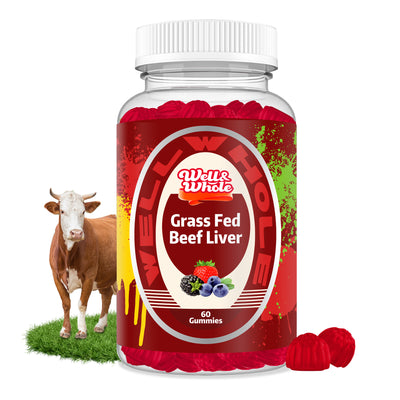
Should you decide to supplement, Grass Fed Beef Liver Supplement Gummies with 60 Count for Full Wellness and Grassfed Beef Organ Supplement Capsules, Grass Fed & Pasture Raised, Total Body Wellness Support are our formulation for this purpose. For a broader comparison, see the Vitamin A and Health Benefits collections.
These statements have not been evaluated by the Food and Drug Administration. This product is not intended to diagnose, treat, cure, or prevent any disease.