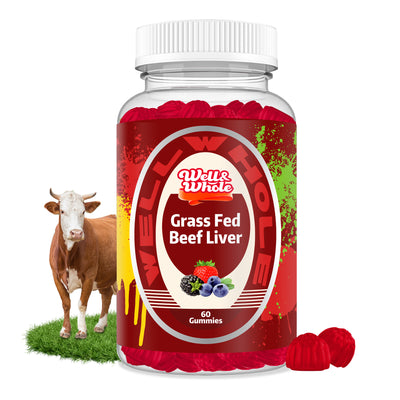
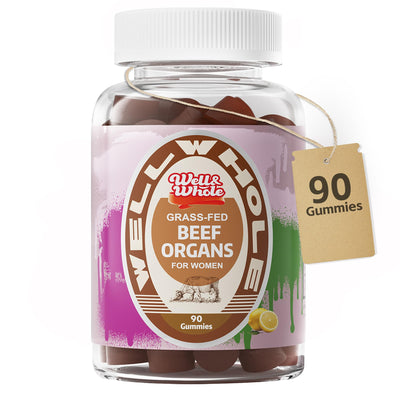
beef liver organic grass fed

Beef Liver Organic Grass Fed: The Ultimate Superfood for Vitality
When it comes to nutrient-dense whole foods, few options rival organic grass fed beef liver. This often-overlooked organ meat is a powerhouse of vitamins, minerals, and cofactors that support energy, immunity, and overall health. At well&whole, we believe in sourcing the purest ingredients, and our commitment to organic, pasture-raised beef liver stems from a deep understanding of what real nutrition looks like. Unlike conventional liver, which may come from grain-fed animals raised in confined lots, grass fed beef liver offers a superior fatty acid profile and a higher concentration of fat-soluble vitamins like A, D, and K2. Let’s break down why this ancestral food deserves a spot in your daily routine.
Why Organic Grass Fed Matters More Than You Think
The term organic isn’t just a label—it’s a guarantee of what’s not in your food. Conventionally raised cattle are often exposed to synthetic hormones, antibiotics, and pesticide-laced feed, all of which can accumulate in the liver, the body’s primary detoxification organ. Studies show that organic grass fed beef liver contains significantly lower levels of heavy metals and environmental toxins compared to its conventional counterpart. For example, a 2019 review in Environmental Research found that organic animal products had 48% lower cadmium concentrations. well&whole sources only from certified organic farms where cattle roam on open pastures, ensuring that every freeze-dried capsule delivers pure, untainted nutrition.
Beyond purity, the grass fed aspect directly impacts the nutrient density. Grass-fed liver typically has twice the amount of conjugated linoleic acid (CLA), a beneficial fat linked to reduced inflammation and improved body composition. The vitamin A content is also more bioavailable because the cows obtain beta-carotene from fresh grass rather than corn or soy. If you’re searching for high-quality organic grass fed beef liver capsules, the origin of the livestock is non-negotiable. well&whole guarantees a 100% pasture-raised, grass-finished supply chain—no shortcuts, no fillers.
Choosing organic grass fed beef liver ensures lower toxin exposure and a richer, more bioavailable nutrient profile compared to conventional options.
Unmatched Nutritional Profile: What’s Inside a Serving?
A single serving of organic grass fed beef liver (approximately 100 grams) provides more than your entire daily requirement of vitamin B12, copper, and vitamin A. According to the USDA FoodData Central database, 100g of beef liver contains:
- Vitamin A: 4,968 mcg (over 500% DV) – crucial for vision, immune function, and skin health.
- Vitamin B12: 83.1 mcg (over 1,400% DV) – essential for nerve function and red blood cell formation.
- Copper: 4.1 mg (over 200% DV) – supports energy production and antioxidant defense.
- Iron: 6.2 mg (heme iron, highly absorbable) – combats fatigue and anemia.
- Riboflavin (B2), niacin (B3), and choline round out the profile, supporting brain health and methylation.
What sets grass fed beef liver benefits apart is the presence of cofactors that enhance absorption. For instance, the copper in liver works synergistically with iron to prevent oxidative stress, while vitamin A and D together support bone density. well&whole encapsulates these nutrients in a protective, non-GMO capsule that preserves enzyme activity—nothing is exposed to high heat or chemical solvents. If you’re an athlete, a busy parent, or someone looking to fill nutritional gaps, this dense source of micronutrients can be a game-changer.
Organic grass fed beef liver is one of the most nutrient-concentrated foods on the planet, offering heme iron, preformed vitamin A, and B12 in quantities no plant food can match.
How to Incorporate Beef Liver Into Your Daily Routine
Despite its benefits, whole beef liver has a strong, iron-rich taste that many find challenging. This is where freeze-dried organic grass fed beef liver supplements like well&whole’s come into play. By gently removing moisture at low temperatures, we retain the full nutrient spectrum without cooking or denaturing delicate enzymes. The resulting powder can be taken in capsule form (easy to swallow) or opened and mixed into smoothies, soups, or even homemade meatballs—though the flavor remains, it’s mild enough to mask with banana or cocoa.
For optimal absorption, pair your liver supplement with vitamin C-rich foods (like a squeeze of lemon in water) because vitamin C enhances non-heme iron absorption, though liver already provides heme iron which is absorbed well on its own. Most people start with 2–3 capsules per day (equivalent to about 3–5 grams of liver) and gradually increase. well&whole recommends consulting with a healthcare provider if you’re pregnant or have iron overload conditions. Another long-tail keyword worth noting: grass fed beef liver powder for smoothies is gaining popularity among paleo and keto communities for its ease of use.
Freeze-dried supplements offer a convenient, palatable way to consume bee liver daily without the strong taste, while maintaining full nutritional integrity.
Quality Considerations When Buying Beef Liver Supplements
Not all beef liver supplements are created equal. Here are the red flags to watch for:
- Grain-fed or mixed-source: Many brands source from cattle finished on grain, which dilutes nutrient density.
- Solvent extraction: Some manufacturers use hexane to remove fat, which leaves residues.
- Low vitamin A testing: Cheap supplements often have variable potency; well&whole publishes third-party lab reports for every batch.
Look for products labeled specifically as organic grass fed beef liver with a clear origin (e.g., New Zealand or Argentina, known for strict pasture-raising standards). Also, check the capsule material—cellulose or pullulan are preferable over gelatin (often from grain-fed animals). well&whole uses only vegetarian pullulan capsules and packs each batch in amber glass to protect against light degradation. When comparing brands, don’t hesitate to ask for certificate of analysis (COA). The price difference between conventional and organic grass-fed is justified by the dramatic difference in purity and efficacy.
Prioritize third-party tested, organic, grass-finished liver supplements with transparent sourcing—your body absorbs what the cow ate.
Frequently Asked Questions
1. Can I eat organic grass fed beef liver every day? Yes, but in moderation. Because liver is extremely rich in vitamin A (retinol), excessive daily intake could lead to hypervitaminosis A over time. Most nutritionists recommend no more than 100–200 grams per week (or 3–5 grams in supplement form). well&whole’s capsules deliver a safe, measured dose—follow the suggested serving on the label. For most healthy adults, 2–3 capsules daily is ideal.
2. Is beef liver safe for pregnant women? Yes, but with caution. Liver provides essential folate, iron, and B12, but excessive vitamin A (preformed retinol) can be teratogenic in very high amounts. The American College of Obstetricians and Gynecologists (ACOG) recommends avoiding liver in large quantities during the first trimester. Pregnant women should consult their doctor before starting any liver supplement. well&whole advises starting with a lower dose (1 capsule every other day) and monitoring tolerance.
3. How does well&whole’s beef liver compare to synthetic B12 or iron pills? Synthetic supplements often contain isolated vitamins in forms like cyanocobalamin or ferrous sulfate, which may not be as well-absorbed. Whole-food liver provides a complex matrix of cofactors—copper, riboflavin, choline, and small peptides—that enhance utilization. A 2020 study in Nutrients indicated that whole-food-derived nutrients have higher bioavailability for certain populations. well&whole’s liver is a whole-food concentrate, not a synthetic cocktail, making it a more natural option for those who prefer food-based nutrition.
Data references: USDA FoodData Central (beef liver, raw), Environmental Research (2019), Nutrients (2020). Always consult a healthcare professional before starting a new supplement regimen.
These statements have not been evaluated by the Food and Drug Administration. This product is not intended to diagnose, treat, cure, or prevent any disease.