Beef Liver Gummies vs Real Liver: How Do They Compare?
Beef liver gummies vs real liver—which is better? Compare nutrient profiles, convenience, taste, and bioavailability of desiccated liver supplements vs fresh beef liver.

You know beef liver is one of the most nutrient-dense foods on earth. But if you've ever tried to cook and eat actual beef liver, you also know it comes with challenges: a strong taste that many find unpalatable, significant preparation time, and the difficulty of sourcing high-quality grass-fed liver consistently.
Enter desiccated (freeze-dried) beef liver supplements, including gummies. These products promise the nutritional benefits of fresh liver in a convenient, shelf-stable, and palatable format. But how do they actually compare to the real thing?
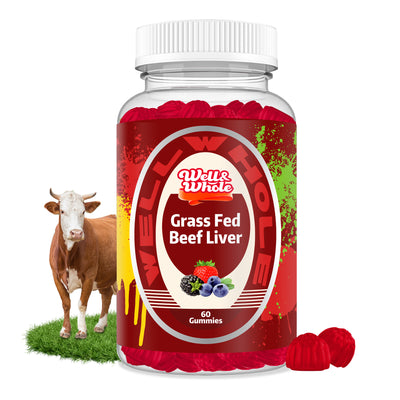
In this article, we'll put beef liver gummies head-to-head against fresh beef liver, examining nutrient retention, bioavailability, convenience, taste, and more. By the end, you'll understand whether desiccated liver supplements—like well&whole's Grass Fed Beef Liver Gummies ($22.99)—can genuinely replace fresh liver in your wellness routine.
Understanding Desiccated Liver: What Is It?
Desiccated liver is simply fresh liver that has been dehydrated through a low-temperature process (typically freeze-drying) and ground into a powder. The goal is to remove water while preserving the nutrient content.
The Freeze-Drying Process
Modern freeze-drying (lyophilization) works by:
1. Freezing fresh liver to sub-zero temperatures
2. Placing it in a vacuum chamber
3. Allowing frozen water to sublimate directly from solid to gas
This low-temperature process is significant because it preserves heat-sensitive nutrients that would degrade during high-heat cooking or dehydration methods. A 2018 study in the *Journal of Food Science and Technology* found that freeze-drying retained more vitamin content compared to conventional air-drying methods for organ tissues (Ratti, 2018).
Concentration Effect
When water is removed, nutrients become concentrated. A typical desiccated liver powder contains approximately 4-5 times the nutrient density of fresh liver on a per-gram basis, since fresh liver is about 70% water. This means a small amount of desiccated liver can deliver meaningful nutrient levels.
Nutrient Comparison: Fresh vs Desiccated Beef Liver
Let's compare the nutrient profiles directly. Data is based on USDA FoodData Central and published analyses of freeze-dried bovine liver.
| **Nutrient** | **Fresh Beef Liver (100g, cooked)** | **Desiccated Liver (equivalent to 100g fresh)** | **Retention** |
|-------------|--------------------------------------|------------------------------------------------|---------------|
| Vitamin A | 7,730 mcg RAE | Similar range | High |
| Vitamin B12 | 70.7 mcg | Similar range | High |
| Iron | 6.2 mg | Similar range | High |
| Copper | 14.3 mg | Similar range | High |
| Folate | 290 mcg | Moderate reduction | ~70-90% |
| Zinc | 5.3 mg | Similar range | High |
| Vitamin C | 1.9 mg | Minimal | Low (heat-labile) |
| B-Vitamins | 3.4 mg (B2) | Good retention | ~80-95% |
*Note: Values in desiccated liver vary by processing method and serving size. well&whole's specific formulation may differ.*
What the Research Says
A 2020 analysis published in *Foods* examined nutrient retention in freeze-dried organ meats and found that mineral content (iron, zinc, copper) remained essentially unchanged, fat-soluble vitamins (A, D, E) retained well, while water-soluble vitamins (B-complex) retained 70-95% depending on the specific vitamin and processing conditions (Korus et al., 2020).
The key finding: desiccated beef liver retains the vast majority of its nutritional value, with only modest losses in certain heat-sensitive and water-soluble nutrients.
Bioavailability: Can Your Body Use Nutrients from Desiccated Liver?
A supplement's true value depends not just on what nutrients it contains, but on whether your body can absorb and use them.
Advantages of Desiccated Liver
Desiccated liver provides nutrients in their natural food matrix—the same forms found in fresh liver. This differs fundamentally from synthetic supplements, which isolate individual nutrients and may have different absorption characteristics.
Key bioavailability advantages:
- **Heme iron** remains in its highly absorbable form
- **Vitamin A as retinol** requires no conversion
- **B12 in active coenzyme forms** (methylcobalamin, adenosylcobalamin)
- **Natural nutrient cofactors** that aid absorption remain intact
A 2019 review in *Nutrients* noted that "food matrix effects can significantly influence the bioavailability of nutrients, and whole-food supplements may preserve these beneficial interactions" (Melse-Boonstra, 2019).
Potential limitations
- **Digestibility**: The freeze-drying process changes the physical structure but not the chemical composition. Most people digest desiccated liver well.
- **Absorption complementarity**: Fresh liver's moisture content may aid digestion in some individuals, though taking supplements with water mitigates this.
The Taste Factor: Why This Matters More Than You Think
Let's address what might be the single biggest practical difference between fresh liver and liver gummies: taste.
Fresh Beef Liver: The Challenge
Beef liver has a distinct, strong, mineral-rich flavor that many people find off-putting. A 2021 consumer survey by the Hartman Group found that 78% of Americans cite organ meats' taste as the primary barrier to consumption—even among those who recognize their nutritional value.
Traditional preparation methods—soaking in milk, cooking with onions, adding bacon—help mask the flavor but add preparation time and additional ingredients.
Beef Liver Gummies: The Solution
Quality beef liver gummies mask the organ meat flavor while delivering the nutritional benefits. well&whole's Grass Fed Beef Liver Gummies are formulated to provide the nutritional profile of grass-fed beef liver in a format you'll actually want to take daily.
For many, this is the deciding factor. The nutritional superiority of fresh liver means nothing if you can't bring yourself to eat it consistently.
Convenience Factors
| **Factor** | **Fresh Beef Liver** | **Beef Liver Gummies** |
|-----------|---------------------|----------------------|
| Preparation time | 20-30 minutes (cooking) | None |
| Storage | Refrigerated, 2-3 days | Shelf-stable, months |
| Portability | Not portable | Highly portable |
| Sourcing | Requires specialty stores or butcher | Available online, consistent supply |
| Sourcing quality | Variable, must verify grass-fed | Verified grass-fed sourcing |
| Consistent dosing | Variable (different cuts, cooking methods) | Consistent per serving |
| Travel-friendly | No | Yes |
| No cooking required | No | Yes |
Cost Comparison
| **Item** | **Typical Cost** | **Servings** | **Cost Per Serving** |
|---------|-----------------|-------------|---------------------|
| Fresh grass-fed beef liver | $6-12/lb at specialty stores | ~4 (4oz portions) | $1.50-3.00 |
| well&whole Beef Liver Gummies | $22.99/bottle | 30 | ~$0.77 |
While fresh liver may seem cheaper per pound, the hidden costs include:
- Food waste from portions you don't finish before spoilage
- Time spent sourcing, preparing, and cooking
- Ingredients purchased to mask the taste
- Gasoline and time for specialty store trips
Quality Considerations
Fresh Liver: What to Check
- **Source verification**: Is it truly grass-fed and pasture-raised?
- **Freshness**: How recently was it harvested?
- **Animal health**: What were the farming practices?
- **Certifications**: Organic, grass-fed certified, humane certifications
Desiccated Liver Gummies: What to Check
- **Freeze-dried vs heat-dried**: Freeze-drying preserves more nutrients
- **Grass-fed verification**: Brand transparency about sourcing
- **Third-party testing**: GMP certification, purity testing
- **Ingredient panel**: Are there unnecessary fillers or additives?
- **Liver content per serving**: How much actual liver is in each gummy?
When Fresh Liver Makes More Sense
Fresh beef liver may be preferable when:
- You enjoy the taste and have reliable access to high-quality sources
- You're cooking for a family and liver is a regular part of your traditional diet
- You prefer whole-food nutrition and cooking from scratch
- You're following specific traditional dietary protocols like the GAPS diet or ancestral nutrition approaches
When Beef Liver Gummies Are the Better Choice
Desiccated liver gummies may be the better option when:
- The taste of liver is a barrier to regular consumption
- You lack reliable access to quality grass-fed liver
- Your lifestyle demands convenience and portability
- You want consistent, measured nutritional intake
- You're new to organ meats and want an entry-level option
FAQ
Q: Do beef liver gummies have the same nutrients as real liver?
A: Desiccated beef liver retains the majority of nutrients found in fresh liver, particularly minerals (iron, zinc, copper) and fat-soluble vitamins (A, D). Water-soluble B-vitamins retain approximately 70-95% depending on processing conditions.
Q: How is desiccated liver made?
A: Quality desiccated liver is made through freeze-drying (lyophilization), which removes water at low temperatures. This preserves heat-sensitive nutrients better than high-heat drying methods.
Q: Is freeze-dried liver as bioavailable as fresh?
A: Yes, desiccated liver provides nutrients in their natural food matrix with the same chemical forms (heme iron, retinol, active B12) as fresh liver. The freeze-drying process doesn't alter nutrient forms.
Q: Why can't I just cook and eat beef liver once a week?
A: You absolutely can—if you enjoy it and have access. Many people don't, which is why supplements exist. Both approaches provide quality nutrition.
Q: How much actual liver is in a beef liver gummy?
A: This varies by product. Check the label for the actual liver content per serving. Quality products clearly disclose this information.
Q: Are beef liver gummies safe?
A: When made from grass-fed, pasture-raised animals and manufactured in GMP-certified facilities, beef liver gummies are safe for daily use when taken as directed. Consult your healthcare provider for personalized guidance.
Q: Can beef liver gummies replace a multivitamin?
A: Beef liver provides a broad spectrum of bioavailable nutrients, potentially reducing the need for synthetic multivitamins. However, individual nutrient needs vary. Some people may use beef liver alongside targeted supplements.
Q: Do beef liver gummies taste like liver?
A: Quality beef liver gummies are formulated to mask the organ meat taste while delivering nutritional benefits. Most users find them pleasant-tasting.
Conclusion
The debate between fresh beef liver and beef liver gummies isn't about which is "better" in absolute terms—it's about which approach you'll actually incorporate into your life consistently.
Fresh liver from grass-fed animals provides nutrition in its most complete, unprocessed form. For those who enjoy the taste and have reliable access, it's an excellent choice. But for the majority of people who can't or won't eat liver regularly, desiccated liver gummies offer a practical solution that preserves the vast majority of nutritional benefits.
well&whole's Grass Fed Beef Liver Gummies provide the nutritional profile of grass-fed beef liver in a format that fits modern lifestyles: great taste, shelf-stable convenience, and verified sourcing. Explore them at wellwholeshop.com.
Related supplements
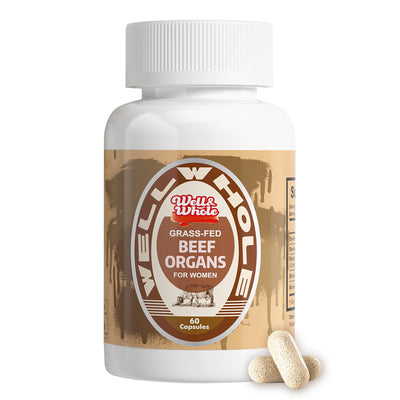
Putting it simply: if this is something you want to add to your routine, our Grass Fed Beef Liver Supplement Gummies with 60 Count for Full Wellness and Grassfed Beef Organ Supplement Capsules, Grass Fed & Pasture Raised, Total Body Wellness Support are a good place to start. The wider Vitamin A collection is worth a look, and the Health Benefits range covers related formats.
These statements have not been evaluated by the Food and Drug Administration. This product is not intended to diagnose, treat, cure, or prevent any disease.