Beef Kidney and DAO: How the Body Handles Histamine

DAO, short for diamine oxidase, is the enzyme that breaks down histamine from food in the digestive tract, and beef kidney is one of the richest natural food sources of it. That pairing explains why grass-fed beef kidney has become a staple of nose-to-tail eating and why organ supplements built around it attract attention from people who notice their meals talking back.
Key takeaways
- DAO works in the intestinal lining, clearing histamine from food before it circulates — it is a local clearance enzyme, not a systemic cure.
- Aged cheese, fermented foods, cured meats, wine and certain fish are the foods that carry the heaviest histamine loads.
- Beef kidney is nutrient-dense in its own right, supplying protein, B12, selenium and highly available iron alongside its DAO content.
- Enzyme content in supplements varies with processing, and heat easily degrades DAO, so freeze-dried formats preserve more than cooked preparations.
What DAO actually does
After a meal, histamine arriving from food meets DAO in the small intestine, where the enzyme converts it into inactive fragments that are excreted. Most people run this clearance system without ever noticing it. When the load is unusually heavy or clearance runs low — which varies by individual — the excess can pass into circulation and show up as flushing, headaches, a racing heart or skin reactions in sensitive people. That is why the DAO conversation is about capacity versus load: the enzyme does not eliminate histamine from the body's own stores, it simply handles what arrives with dinner.
Where the load comes from
Histamine in food is not an additive; it is a byproduct of aging and fermentation. Aged cheeses, sauerkraut and kimchi, cured and smoked meats, wine, vinegar and certain fish such as tuna and mackerel that were not frozen quickly all rank high. Leftovers also accumulate histamine as they sit in the refrigerator, which is why some sensitive people notice day-old stew more than the fresh version. None of these foods are problematic on their own — the question is the total load arriving at once relative to individual clearance capacity.
Why kidney earns its place
Traditional cuisines rarely wasted an animal, and kidney appears in steak-and-kidney pie, Mexican tacos de rinon and countless stew recipes across cultures. Nutritionally, beef kidney delivers protein, vitamin B12, selenium, iron and a spectrum of trace minerals at calorie costs similar to lean muscle meat. The DAO enzyme itself, however, is fragile: cooking degrades it substantially, which is why freeze-dried organ supplements preserve enzymatic activity that a Sunday braise does not. The traditional "nose to tail" idea — eating the whole animal for its full nutrient profile — has a modern, evidence-backed core, even when the folk framing around it overreaches.
What supplements can and cannot do
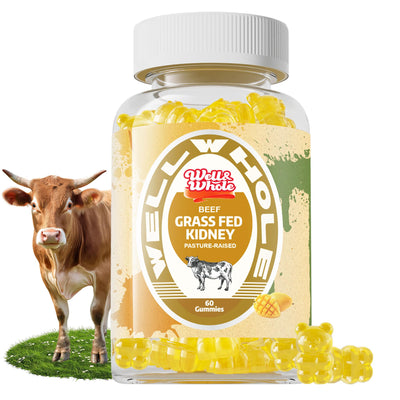
Freeze-dried beef kidney in capsule or gummy form offers the organ's nutrient density without the cooking problem, and products made from grass-fed sources are the standard recommendation for those who choose this route. What they can do is contribute DAO activity alongside the organ's nutrients as part of a broader pattern. What they cannot do is replace an elimination diet or override a true histamine intolerance diagnosis; anyone with recurring reactions should map their triggers with a clinician rather than self-treating around them. Expectations should match the mechanism: supporting the clearance side of the ledger while keeping heavy-load meals in moderation is a reasonable, measured approach.
The practical picture
If aged foods, wine or leftovers consistently leave you feeling worse, the sensible sequence is a two-week food-and-symptom log, a lighter histamine-load trial, and then a decision about whether an organ supplement or a targeted DAO product earns a place in the routine. Kidney has earned its traditional reputation through both its nutrients and its enzyme content — and like every organ meat, it works best as a complement to an otherwise varied plate, not as a substitute for one.

Building a lighter-load week
The practical complement to organ nutrition is moderating the other side of the ledger. A workable trial looks like this: keep a plain-food base of fresh meat, rice, potatoes and vegetables; pause the heaviest histamine carriers — aged cheese, wine, cured meats and day-old leftovers — for two weeks; and note reactions alongside meals rather than reconstructing them later. From that calmer baseline, reintroduce one category at a time and watch what actually matters to you. People are rarely sensitive to everything on the high-histamine list, and knowing your specific triggers beats a permanently restricted plate. This is also the honest context for any supplement decision: products built on freeze-dried kidney or dedicated DAO enzymes slot into a managed week far more sensibly than into an unmapped one.
Frequently asked questions
Is cooking beef kidney a good source of DAO?
Unfortunately no — heat degrades the DAO enzyme substantially. Freeze-dried preparations preserve far more enzymatic activity than cooked dishes, which is why supplements dominate this conversation.
Which foods carry the most histamine?
Aged cheeses, fermented foods such as sauerkraut and kimchi, cured and smoked meats, wine, vinegar and certain fish that were not frozen promptly. Leftover cooked food also accumulates histamine as it sits.
Is a beef kidney supplement right for everyone?
No. Anyone with recurring flushing, headaches or reactions after meals should map triggers with a clinician first. Organ supplements suit people who have decided, ideally with guidance, that extra DAO-rich nutrition fits their pattern.
What does grass-fed mean for organ supplements?
It describes the animal's diet and pasture-raised sourcing, which many buyers prefer for quality and transparency. It does not change the basic mechanism: the product contributes the kidney's nutrients and enzyme content to a broader routine.
Related supplements
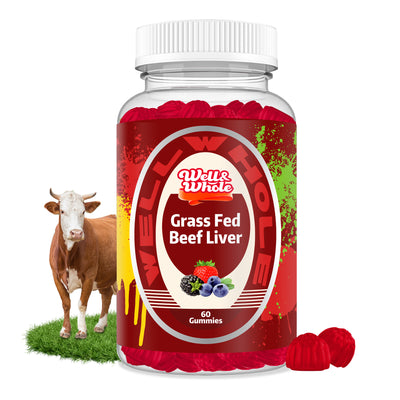
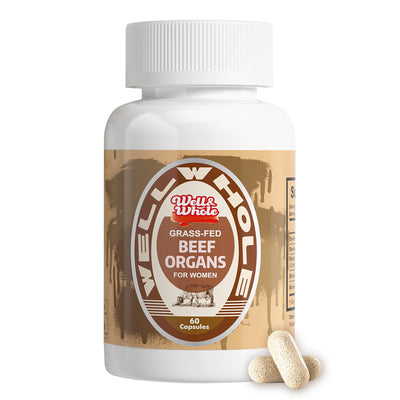
Should you decide to supplement, Grass Fed Beef Liver Supplement Gummies with 60 Count for Full Wellness and Grassfed Beef Organ Supplement Capsules, Grass Fed & Pasture Raised, Total Body Wellness Support are our formulation for this purpose. For a broader comparison, see the Vitamin A and Health Benefits collections.
These statements have not been evaluated by the Food and Drug Administration. This product is not intended to diagnose, treat, cure, or prevent any disease. Talk to a healthcare professional before starting any new supplement, especially if you are pregnant, nursing, taking medication, or managing a health condition.
These statements have not been evaluated by the Food and Drug Administration. This product is not intended to diagnose, treat, cure, or prevent any disease.