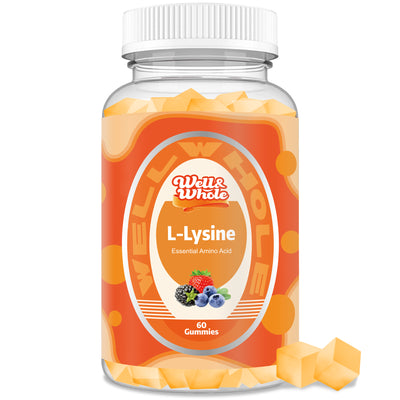
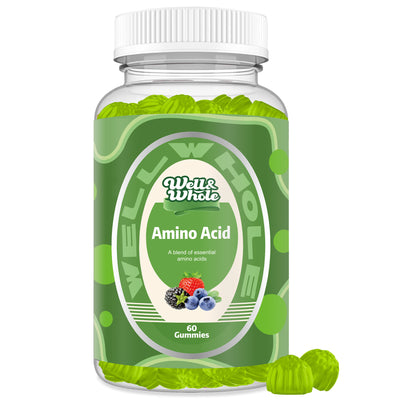
Are Lysine Supplements Safe?

If you’ve been browsing the supplement aisle or reading about amino acids, you have likely come across lysine. This essential amino acid plays a key role in protein synthesis, calcium absorption, and immune function. Many people turn to lysine supplements to manage cold sores, support muscle recovery, or even address anxiety. But the question that naturally arises is: are lysine supplements safe? With so much conflicting information online, it’s important to separate fact from fiction. At well&whole, a trusted name in the dietary supplement industry, we prioritize transparency and safety. Here is a detailed look at what science says about lysine supplementation, its potential side effects, and how to use it responsibly.
Understanding Lysine and Its Uses
Lysine is one of the nine essential amino acids that the human body cannot produce on its own. It must come from food or supplements. Common dietary sources include meat, fish, dairy, eggs, and legumes. However, some individuals may have higher needs – for example, athletes, vegans, or people prone to herpes simplex outbreaks.
Supplemental lysine is most widely studied for its role in reducing the frequency and severity of cold sores. A 2015 review in the Journal of Clinical Medicine found that oral L-lysine, taken at doses of 1,000–3,000 mg per day, can help suppress viral replication when used consistently. Other potential benefits include improved calcium absorption, support for collagen production, and even a calming effect on stress-related anxiety.
But let’s be clear: just because something is natural doesn’t automatically mean it’s harmless. You need to consider dosage, individual health status, and possible interactions with medications.
Key takeaway: Lysine is a well-studied essential amino acid with proven benefits for cold sore management and overall health. However, safety depends heavily on how much you take and your personal medical history.
Potential Side Effects and Risks of Lysine Supplements
For most healthy adults, lysine supplements are safe when taken within the recommended dosage range. According to the National Institutes of Health (NIH) Office of Dietary Supplements, the typical dietary intake of lysine is about 400–3,000 mg per day. Supplemental doses of up to 3,000 mg daily are generally considered safe for short-term use (up to one year). However, higher doses – especially those exceeding 6,000 mg per day – can cause side effects.
Commonly reported mild side effects include:
- Stomach cramps or discomfort
- Diarrhea
- Nausea
More serious but rare issues include kidney problems in individuals with pre-existing renal impairment, and elevated blood cholesterol in some studies. A 2017 study in Nutrients noted that high-dose lysine supplements (above 10 grams per day) may lead to gallstone formation in susceptible individuals.
It is also important to note that lysine can interfere with certain medications, such as aminoglycoside antibiotics and blood pressure medications. If you are on prescription drugs, always consult your doctor before starting any new supplement.
Key takeaway: While lysine is safe for most people at moderate doses, exceeding 3,000 mg daily increases the risk of digestive upset and other complications. People with kidney disease or on specific medications should exercise caution.
Recommended Dosage and Safety Guidelines
So, what is a safe lysine dosage for adults? The answer depends on your goal. For general health maintenance, a daily intake of 500–1,000 mg is common. For cold sore prevention, many clinical trials use 1,000 mg three times per day (total 3,000 mg). For acute outbreaks, some practitioners recommend 3,000–4,000 mg daily for a short period, but this should not be continued for more than a few weeks.
The European Food Safety Authority (EFSA) has established a safe upper limit of 4,000 mg per day for adults. However, individual tolerance varies. Start with a lower dose and gradually increase if needed.
When choosing a lysine supplement, quality matters. well&whole offers L-lysine capsules that are third-party tested for purity and potency. Always look for products that are free from unnecessary fillers and contaminants.
Another important safety tip: lysine supplements can cause stomach upset if taken on an empty stomach. Taking them with food or water can reduce this risk. Also, avoid combining high-dose lysine with other amino acid supplements like arginine, as they may compete for absorption.
Key takeaway: Stick to 500–3,000 mg per day for most applications. Start low, take with food, and choose a reputable brand like well&whole to ensure safety and efficacy.
Who Should Avoid Lysine Supplements?
Not everyone should reach for a lysine bottle. Certain populations need to be especially cautious:
- People with kidney disease: Because lysine is processed by the kidneys, high doses can worsen function. A 2020 report in Kidney International highlighted that excessive lysine intake may accelerate progression of chronic kidney disease.
- Pregnant or breastfeeding women: While dietary lysine is safe, supplemental use has not been thoroughly studied in pregnancy. It is best to consult a healthcare provider.
- Children: The safety of lysine supplements in children under 12 is not well established. Stick to food sources unless recommended by a pediatrician.
- Individuals with histamine intolerance: Lysine can increase histamine levels in some people, potentially triggering allergy-like symptoms.
If you have a history of gallstones or high cholesterol, monitor your levels if you take high-dose lysine long-term.
Key takeaway: People with kidney issues, pregnant women, and children should avoid lysine supplements unless under medical supervision. Always check with your doctor if you have underlying conditions.
Final Thoughts on Lysine Supplement Safety
Lysine is a safe and effective supplement for most adults when used responsibly. The key is moderation and quality. By sticking to the recommended dosage and choosing a trusted brand like well&whole, you can minimize risks and maximize benefits. Remember that supplements are meant to complement a balanced diet, not replace it. If you experience any unusual symptoms, discontinue use and consult a healthcare professional.
At well&whole, we are committed to providing clean, high-quality supplements backed by science. Whether you are managing cold sores, supporting muscle recovery, or simply optimizing your nutrition, our lysine products are designed to help you feel your best – safely.
Frequently Asked Questions
Q1: Can I take lysine supplements every day?
Yes, most healthy adults can take lysine daily within the recommended dosage (500–3,000 mg). Long-term use of up to one year has been studied without serious adverse effects. However, it’s wise to take breaks or cycle off after several months to assess continued need.
Q2: Can lysine supplements cause weight gain?
No, lysine itself does not cause weight gain. As an amino acid, it supports muscle protein synthesis and may actually help with body composition. However, if you take it with high-calorie meals or other supplements, any weight change would be due to those factors.
Q3: What is the best time of day to take lysine?
There is no strict rule, but many people prefer taking lysine with breakfast or lunch to avoid stomach upset. For cold sore prevention, spreading the dose throughout the day (e.g., 1,000 mg with each meal) can improve absorption and effectiveness.
References:
- National Institutes of Health, Office of Dietary Supplements – Lysine Fact Sheet
- Journal of Clinical Medicine (2015) – “L-lysine for Herpes Simplex: A Review”
- Nutrients (2017) – “Safety of Amino Acid Supplements”
- Kidney International (2020) – “Dietary Amino Acids and Chronic Kidney Disease”
- European Food Safety Authority – Tolerable Upper Intake Levels for Amino Acids
These statements have not been evaluated by the Food and Drug Administration. This product is not intended to diagnose, treat, cure, or prevent any disease.