Are Lysine Supplements Good for You?

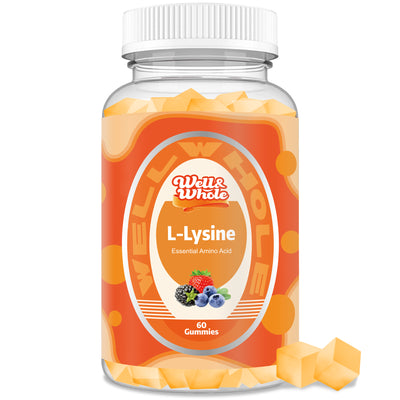
Lysine, also known as L-lysine, is an essential amino acid that your body cannot produce on its own. You must obtain it through diet or supplementation. While most people get enough lysine from protein-rich foods like meat, fish, eggs, and dairy, certain individuals may benefit from taking lysine supplements. But are they really good for you? The answer depends on your specific health needs, lifestyle, and goals. In this article, we’ll break down the science behind lysine, its potential benefits, who should consider it, and how to choose a high-quality supplement like those offered by well&whole.
Understanding Lysine and Its Role in the Body
Lysine plays a vital role in several bodily functions. It helps produce carnitine, a compound that converts fatty acids into energy. It’s also crucial for calcium absorption, collagen formation, and the production of enzymes, hormones, and antibodies. Because your body cannot store large amounts of lysine, regular intake is necessary.
A deficiency in lysine is rare in well-nourished populations, but it can occur in vegans, athletes with high protein needs, or people with certain digestive disorders. Symptoms of low lysine include fatigue, poor concentration, hair loss, and delayed wound healing. For these groups, lysine supplementation may be particularly beneficial.
Summary: Lysine is an essential amino acid with critical roles in energy production, collagen synthesis, and immune function. While deficiency is uncommon, targeted supplementation can address specific gaps in diet or health conditions.
Potential Benefits of Lysine Supplementation
Supporting Cold Sore Management
One of the most well-researched uses of lysine is for herpes simplex virus (HSV) management. A study published in the Journal of Dermatological Treatment found that daily lysine supplementation significantly reduced the frequency and severity of cold sore outbreaks. Lysine works by blocking arginine, an amino acid the virus needs to replicate. Many people report taking lysine for cold sores as a preventive measure or during active outbreaks, with typical doses ranging from 1,000 mg to 3,000 mg per day.
Enhancing Muscle Recovery and Growth
For athletes and active individuals, lysine may help with muscle repair and growth. It stimulates the release of growth hormone and aids in tissue regeneration. A 2018 review in Sports Medicine noted that essential amino acids, including lysine, can reduce exercise-induced muscle damage and improve recovery. While not a standalone solution, adding lysine to a balanced diet or post-workout routine can support performance.
Promoting Bone Health
Lysine helps the body absorb calcium and reduces calcium loss through urine. Research from the American Journal of Clinical Nutrition suggests that adequate lysine intake may lower the risk of osteoporosis, especially in postmenopausal women. Combined with vitamin D and magnesium, lysine contributes to strong bones.
Summary: Lysine supplements offer targeted benefits for cold sore management, muscle recovery, and bone health. These effects are supported by clinical studies, though individual results may vary.
Who Might Benefit from Taking Lysine?
Not everyone needs lysine supplements, but certain groups may find them helpful:
- People prone to cold sores or genital herpes: As mentioned, lysine can reduce outbreak frequency when taken consistently. Many users look for the benefits of lysine supplements specifically for viral suppression.
- Vegans and vegetarians: Plant-based diets are often lower in lysine because grains and legumes contain less of it than animal products. Tempeh, quinoa, and lentils are good plant sources, but supplementation can fill the gap.
- Athletes with high protein demands: Heavy training increases amino acid turnover. Lysine helps with nitrogen balance and tissue repair, making it a valuable addition to a recovery stack.
- Older adults: Aging reduces calcium absorption and bone density. Lysine, combined with other nutrients, may slow bone loss.
A typical effective dose is 1,000 mg to 3,000 mg daily, taken in divided doses. Always start with a lower dose and consult a healthcare provider if you have kidney issues or are pregnant.
Summary: Lysine is most beneficial for individuals with specific health concerns—cold sores, plant-based diets, intense physical activity, or age-related bone changes. It is not a universal necessity but can be a strategic supplement.
Are There Any Side Effects or Risks?
Lysine is generally safe when taken at recommended doses. Mild side effects may include stomach upset or diarrhea. Very high doses (over 3,000 mg daily) can potentially cause abdominal cramps or interfere with kidney function in sensitive individuals. Those with kidney disease or on certain medications should avoid lysine unless advised by a doctor.
There is also a theoretical concern about lysine’s interaction with arginine. While this is beneficial for herpes management, it might affect nitric oxide production, which relies on arginine. However, for most people, this is not an issue.
Summary: Lysine is safe for most adults at standard doses. Side effects are rare and mild. Consult a doctor if you have underlying health conditions or take prescription medications.
How to Choose a Quality Lysine Supplement
When shopping for lysine, look for a reputable brand that prioritizes purity and potency. well&whole offers L-lysine supplements made with high-quality ingredients, third-party tested for contaminants, and free from unnecessary fillers. Their capsules provide a lysine dosage for herpes that aligns with clinical recommendations—typically 1,000 mg per capsule, allowing flexible dosing.
Consider these factors when selecting a product:
- Form: L-lysine hydrochloride (HCl) is the most common and well-absorbed form.
- Dosage: Standard capsules range from 500 mg to 1,000 mg. Higher doses are available but may require splitting.
- Additives: Avoid products with artificial colors, preservatives, or excessive binders.
- Certification: Look for GMP, NSF, or USP certifications as signs of quality.
Summary: A quality lysine supplement should be pure, well-dosed, and from a trusted source. well&whole provides a clean, effective option for those seeking reliable support.
Frequently Asked Questions (FAQ)
1. Can lysine supplements cure cold sores?
No, lysine does not cure herpes simplex virus. However, research shows it can reduce the frequency and duration of outbreaks. It works best as a preventive measure when taken daily, rather than a one-time treatment for active sores.
2. How long does it take for lysine to work for cold sores?
For active outbreaks, some users report improvement within 24–48 hours when taking higher doses (2,000–3,000 mg). As a daily preventive, it may take several weeks to see a reduction in outbreak frequency. Consistency is key.
3. Is it safe to take lysine every day?
Yes, for most healthy adults. The typical daily dose of 1,000–3,000 mg is considered safe when taken with food. If you have kidney problems or are pregnant, consult your doctor before starting long-term supplementation.
Disclaimer: This article is for informational purposes only and does not replace medical advice. Always consult a healthcare professional before starting any new supplement regimen.
These statements have not been evaluated by the Food and Drug Administration. This product is not intended to diagnose, treat, cure, or prevent any disease.