Are Beef Organ Supplements Safe? What You Should Know
Are beef organ supplements safe? Explore safety considerations including sourcing, vitamin A toxicity, processing quality, serving sizes, and who should be cautious with organ supplements.

Beef organ supplements have surged in popularity, but with that growth comes an important question: are they safe? The answer—as with most nutritional questions—is nuanced. Quality beef organ supplements from reputable sources are generally well-tolerated and safe for most people when taken as directed. But there are important considerations around sourcing, processing, dosing, and individual health circumstances that every consumer should understand.
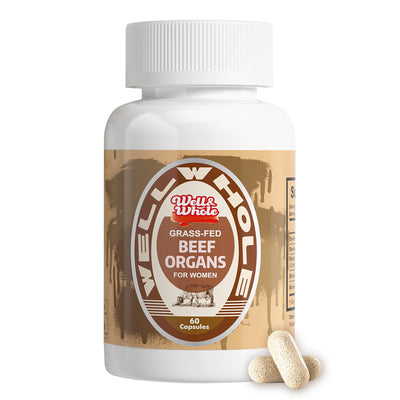
In this article, we'll provide a balanced, evidence-based look at beef organ supplement safety. We'll cover what makes organ supplements safe, potential concerns, who should exercise caution, and how well&whole's Grassfed Beef Organ Capsules and other products address these safety considerations.

The Safety Foundation: Quality Sourcing
The safety of beef organ supplements starts with the source animal. Factors that influence safety include cattle diet, environment, and country of origin.
Grass-Fed vs Grain-Fed Safety Considerations
Grass-fed animals raised on pasture have several safety advantages:
- **Lower contaminant exposure**: Pasture-raised cattle typically have less exposure to pesticides, herbicides, and environmental contaminants than grain-fed feedlot animals
- **Reduced antibiotic use**: Grass-fed cattle generally receive fewer antibiotics than conventionally raised cattle confined in feedlots
- **Natural diet**: Grass consumption aligns with bovine digestive physiology, reducing the stress that can affect animal health
Country of Origin Matters
New Zealand, where well&whole sources its organs, has some of the world's strictest agricultural standards:
- Year-round pasture grazing is the norm
- Growth hormones are banned for cattle
- Antibiotic use is strictly regulated
- Environmental contaminant monitoring is robust
A 2018 review in *Comprehensive Reviews in Food Science and Food Safety* noted that "organ meats from pasture-raised animals in clean agricultural environments pose minimal safety concerns" (Biesalski et al., 2018).
The "Toxin Storage" Myth
One of the most persistent myths about liver consumption is that the liver "stores toxins" and is therefore unsafe. This is a fundamental misunderstanding of liver physiology.
**The liver does not store toxins**—it processes and neutralizes them for elimination. The liver stores nutrients (vitamin A, B12, iron, copper). When functioning properly, the liver's detoxification pathways break down compounds and direct them toward elimination through bile or urine.
From a food safety perspective, the concern is not about "stored toxins" but about whether the animal was exposed to environmental contaminants (heavy metals, pesticides) that might be present in organ tissues at the time of harvest. This is a sourcing question, not an inherent organ safety question—which is why sourcing from clean environments matters.
A 2015 review in *Nutrients* confirmed that organ meats from healthy, properly raised animals are safe, nutritious foods, and that contaminant concerns are appropriately addressed through quality sourcing (Purchas et al., 2015).
Nutrient-Specific Safety Considerations
Vitamin A: The Primary Safety Consideration
The most relevant safety concern with beef liver supplements is vitamin A content. Beef liver is exceptionally rich in pre-formed vitamin A (retinol), and excessive intake over extended periods can lead to hypervitaminosis A.
Key Facts:
- **Tolerable Upper Intake Level (UL)** for adults: 3,000 mcg RAE per day
- **Beef liver content**: ~7,730 mcg RAE per 100g of fresh liver
- **Supplement context**: Quality supplements are formulated with serving sizes well below concerning thresholds
Important: Toxicity Context
- Hypervitaminosis A from food sources is extremely rare
- Documented cases are almost exclusively from long-term high-dose synthetic supplementation (not food)
- The Institute of Medicine notes that vitamin A toxicity is virtually unknown from dietary sources (IOM, 2001)
Recommendations
- Follow serving size recommendations on the product label
- Do not exceed the recommended daily intake
- If you take multiple supplements containing vitamin A, be aware of cumulative intake
- Pregnant women should discuss vitamin A intake with their healthcare provider
Iron: Considerations for Specific Populations
Beef liver provides heme iron. While this is beneficial for most people, certain populations should be mindful:
| **Population** | **Iron Consideration** |
|---------------|----------------------|
| Hereditary hemochromatosis | Must strictly avoid supplemental iron |
| Adult men and postmenopausal women | Lower iron requirements; excess unnecessary |
| Pre-menopausal women | Typically benefit from heme iron |
| Those with iron overload disorders | Avoid without medical supervision |
Purine Content and Gout
Organ meats contain purines, which break down into uric acid. For individuals with gout or hyperuricemia, organ supplement intake should be discussed with a healthcare provider.
Processing Safety: The Freeze-Drying Advantage
The processing method significantly influences supplement safety and quality:
Freeze-Drying (Lyophilization)
- **Low temperature**: No nutrient degradation from heat
- **Water removal**: Prevents microbial growth without preservatives
- **No chemical solvents**: Preserves the natural nutrient matrix
- **GMP manufacturing**: Quality supplements are produced in FDA-registered, GMP-certified facilities
What to Look For in Processing
- GMP (Good Manufacturing Practices) certification
- Third-party testing for purity and contaminants
- Transparent sourcing information
- Clear ingredient labeling
well&whole's organ supplements are freeze-dried and manufactured in GMP-certified facilities, with transparent ingredient labeling.
Who Should Exercise Caution or Avoid Beef Organ Supplements
Consult Healthcare Provider Before Use:
| **Condition/Circumstance** | **Reason** |
|---------------------------|-----------|
| Pregnancy | Vitamin A monitoring; individualized guidance needed |
| Liver disease | Organ supplements provide nutrients that affect liver metabolism |
| Kidney disease | May need to monitor protein and mineral intake |
| Gout/Hyperuricemia | Purine content may affect uric acid levels |
| Hemochromatosis | Heme iron from organs must be avoided |
| Blood thinner medications | Vitamin K content may interact (discuss with provider) |
| Immunosuppressant medications | Nutrient effects on immune function should be evaluated |
| Known organ meat allergies | Rare but possible |
Generally Safe For:
- Healthy adults following serving size recommendations
- Those seeking natural, food-based nutritional support
- Athletes and active individuals
- Adults with adequate organ function
- Those not in the high-risk categories above
Quality Indicators for Safe Organ Supplements
When evaluating any beef organ supplement for safety:
Trusted Quality Markers
- **Grass-fed and pasture-raised sourcing**: Cleaner animal environment
- **Country of origin transparency**: New Zealand/Australia have strong agricultural standards
- **GMP certification**: Ensures manufacturing quality control
- **Third-party testing**: Verification of purity and potency
- **Clear labeling**: Complete ingredient disclosure with amounts
- **Freeze-dried processing**: Low-temperature preservation preserving nutrients without chemicals
Red Flags
- Vague sourcing claims ("natural" without specifics)
- No GMP certification
- Proprietary blends hiding individual amounts
- Unusually low prices (quality sourcing costs more)
- No brand transparency about origin or manufacturing
FAQ
Q: Are beef organ supplements safe for daily use?
A: Quality beef organ supplements from grass-fed sources in GMP-certified facilities are generally safe for daily use when taken as directed. Well&whole's products are formulated with appropriate serving sizes for daily intake.
Q: Can I get vitamin A toxicity from beef liver supplements?
A: Vitamin A toxicity from food-derived sources is extremely rare. It's almost exclusively associated with long-term, high-dose synthetic supplementation. Well&whole's supplements are formulated with serving sizes well below concerning levels. Follow label directions.
Q: Are beef organ supplements safe during pregnancy?
A: Beef liver contains high levels of pre-formed vitamin A, which requires careful monitoring during pregnancy. Pregnant women should consult their healthcare provider before taking any beef liver supplement. Kidney and heart-only supplements raise fewer vitamin A concerns.
Q: Is there a risk of mad cow disease from beef organ supplements?
A: The risk is negligible for several reasons: well&whole sources from New Zealand (which has never had a BSE case), organs are processed at temperatures that inactivate prions, and regulatory controls in source countries are extremely strict.
Q: Do I need to worry about contaminants in organ supplements?
A: Contaminant concerns are primarily a sourcing issue. Organs from grass-fed, pasture-raised animals in clean environments (like New Zealand) have minimal contaminant risk. Quality sourcing is the primary safeguard.
Q: Can I take beef organ supplements if I have gout?
A: Organ meats contain purines, which can affect uric acid levels. If you have gout or hyperuricemia, discuss organ supplement use with your healthcare provider before starting.
Q: Are there any drug interactions with beef organ supplements?
A: Vitamin K in organ meats may interact with blood thinners (warfarin). The iron content may affect the absorption of certain medications. Always inform your healthcare provider about all supplements you take.
Q: Can children take beef organ supplements?
A: Children's nutritional needs and tolerances differ from adults. Organ supplements provide concentrated nutrients. Discuss any supplement use in children with a pediatric healthcare provider.
Q: What happens if I take more than the recommended serving?
A: Occasional deviation from the recommended serving is unlikely to cause issues for most healthy adults. However, regular overconsumption of liver-based products could lead to excessive vitamin A intake. Always follow label directions.
Q: How do I know if a beef organ supplement is from a reputable manufacturer?
A: Look for GMP certification, transparent sourcing information (country of origin, grass-fed verification), clear ingredient labeling, third-party testing, and brand reputation. well&whole meets these standards with New Zealand grass-fed sourcing and GMP-certified manufacturing.
Conclusion
Beef organ supplements from quality sources are safe for most adults when taken as directed. The primary safety considerations—vitamin A intake, sourcing quality, and individual health circumstances—are manageable through informed product selection and responsible use.
well&whole addresses safety through grass-fed New Zealand sourcing, freeze-dried processing in GMP-certified facilities, transparent labeling, and serving sizes formulated for daily use. For the vast majority of healthy adults, Grassfed Beef Organ Capsules and other well&whole organ products provide safe, quality nutritional support.
As with any supplement, consult your healthcare provider before starting—especially if you have underlying health conditions, take medications, are pregnant or nursing, or have specific safety concerns.
Related supplements
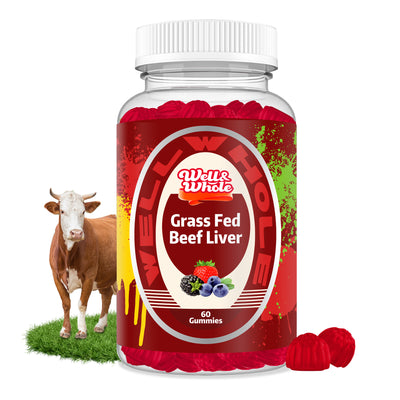
If you'd like to try it, Grass Fed Beef Liver Supplement Gummies with 60 Count for Full Wellness and Grassfed Beef Organ Supplement Capsules, Grass Fed & Pasture Raised, Total Body Wellness Support are the closest match to what we've covered here. Browse Vitamin A and Health Benefits to see how the alternatives compare.
These statements have not been evaluated by the Food and Drug Administration. This product is not intended to diagnose, treat, cure, or prevent any disease.