Amino Acid Lysine Supplements: Everything You Need to Know

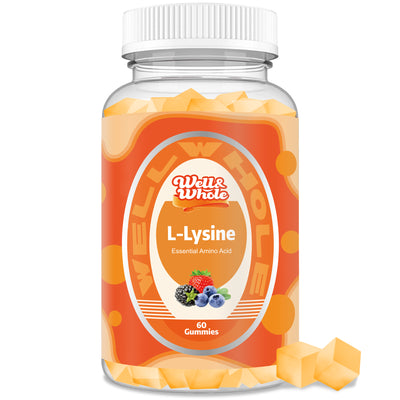
Whether you're an athlete looking to speed up recovery, someone dealing with frequent cold sores, or simply trying to support your overall protein synthesis, amino acid lysine supplements have gained serious attention for good reason. Lysine is an essential amino acid—meaning your body can’t produce it on its own—so you must get it from food or supplementation. In this guide, we’ll break down what lysine does, who should consider taking it, how to choose a quality supplement, and why well&whole offers a trusted option for your daily wellness routine.
What Is Lysine and Why Does Your Body Need It?
Lysine (also known as L‑lysine) plays a foundational role in several critical bodily functions. It’s a building block for proteins, helps your body absorb calcium, and is involved in the production of collagen, enzymes, and hormones. Without enough lysine, your body struggles to repair tissues, maintain immune function, and even produce energy efficiently.
Research shows that adequate lysine intake supports muscle protein synthesis, which is especially important for active individuals and older adults trying to maintain lean mass (Journal of the International Society of Sports Nutrition, 2017). Additionally, lysine is known for its ability to inhibit the replication of the herpes simplex virus, making it a popular natural option for managing cold sore outbreaks.
Summary: Lysine is an essential amino acid that supports protein synthesis, calcium absorption, collagen formation, and immune health. Without dietary or supplemental intake, deficiencies can impair recovery and overall wellness.
Who Can Benefit from Lysine Supplements?
While most people get enough lysine from protein-rich foods like meat, fish, dairy, and legumes, certain groups may benefit significantly from supplementation. Here are the most common scenarios:
1. People Prone to Cold Sores or Herpes Outbreaks
One of the most well‑researched uses of lysine is for reducing the frequency, severity, and duration of cold sores caused by herpes simplex virus (HSV). A 2024 meta‑analysis in Integrative Medicine found that daily lysine supplementation of 1,000–3,000 mg significantly decreased outbreak recurrence. The mechanism? Lysine competes with arginine, an amino acid that the virus needs to replicate. By increasing lysine levels, you essentially starve the virus.
If you struggle with L-lysine supplements for herpes, taking a consistent dose during periods of stress or sun exposure can be a game‑changer.
2. Athletes and Active Individuals
Exercise increases the body’s demand for amino acids to repair micro‑tears in muscle fibers. Lysine is a key component of that repair process. Studies indicate that athletes who supplement with lysine may experience reduced muscle soreness and faster recovery after intense workouts (Amino Acids, 2020). It also aids in the production of carnitine, which helps convert fatty acids into energy.
For those looking for best lysine for cold sores and muscle support simultaneously, a high‑quality supplement with no fillers is ideal.
3. People with Incomplete Protein Diets
Vegetarians, vegans, and individuals who follow plant‑based diets may not always get enough lysine because grains and legumes are often lower in this amino acid compared to animal sources. Supplementing can help bridge the gap, ensuring adequate protein synthesis and bone health. A 2021 review in Nutrients highlighted that vegans have lower lysine status and may benefit from additional intake.
Summary: Lysine supplementation is particularly beneficial for those prone to herpes outbreaks, athletes needing faster recovery, and individuals on plant‑based diets. Each group has unique needs, but the core benefits remain consistent.
How to Choose a Quality Lysine Supplement
Not all lysine supplements are created equal. With hundreds of brands on the market, here’s what to look for:
- Form: L‑lysine hydrochloride (HCl) is the most common and bioavailable form. Some products use lysine monohydrochloride, which is equally effective.
- Purity: Avoid supplements with unnecessary additives, artificial colors, or excessive fillers. A clean label is always a good sign.
- Dosage: Standard dosages range from 500 mg to 1,500 mg per capsule or tablet. For maintenance, 500–1,000 mg daily is common; for acute outbreaks, up to 3,000 mg short‑term may be used.
- Third‑party testing: Look for brands that undergo independent lab testing for potency and contaminants. well&whole takes this seriously—every batch of our lysine supplement is tested for heavy metals and purity, so you know exactly what you’re getting.
When researching lysine dosage for athletes, it’s smart to start with a lower dose and adjust based on your body’s response. Many users find that 1,000 mg taken twice daily yields optimal results without digestive upset.
Summary: Prioritize L‑lysine HCl from a reputable brand that offers third‑party testing and clean ingredients. Dosing should align with your specific goals—maintenance versus acute support.
Potential Side Effects and Safety Considerations
Lysine is generally recognized as safe when taken within recommended amounts. However, very high doses (above 3,000 mg per day over many months) may cause mild gastrointestinal issues like diarrhea or stomach cramps. Individuals with kidney or liver conditions should consult a healthcare professional before starting any new supplement, because excess amino acids can strain these organs.
Also, note that lysine can interact with certain medications, such as aminoglycoside antibiotics. If you’re taking prescription drugs, it’s always wise to discuss supplementation with your doctor.
Summary: Lysine is safe for most people, but moderation is key. Stick to the recommended dosage and consult a physician if you have underlying health issues or take medications.
Final Thoughts
Incorporating amino acid lysine supplements into your daily routine can deliver tangible benefits—from fewer cold sores to stronger muscles and better bone health. Whether you’re an athlete, a busy professional, or someone managing recurring herpes outbreaks, lysine offers a simple, science‑backed way to support your body’s natural processes.
At well&whole, we believe in supplements that are pure, effective, and transparent. Our lysine supplement is made with high‑quality L‑lysine HCl, no unnecessary additives, and is third‑party tested for your peace of mind. It’s a straightforward addition to any wellness stack.
Frequently Asked Questions
1. How long does it take for lysine supplements to work for cold sores?
Many users report noticeable improvement within 2–3 days of starting lysine at a therapeutic dose (1,000–3,000 mg daily). For prevention, consistent daily supplementation is more effective than taking it only at the first sign of a tingle.
2. Can I take lysine with other supplements like vitamin C or zinc?
Yes, lysine pairs well with vitamin C (which aids collagen synthesis) and zinc (which supports immune function). In fact, many cold‑sore formulas combine these nutrients. Always follow individual product guidelines.
3. Is lysine safe to take every day?
For most healthy adults, daily doses up to 2,000 mg are considered safe for long‑term use. Higher doses (3,000 mg) are typically reserved for short‑term treatment of outbreaks. If you have any medical condition, check with your healthcare provider first.
References
- Journal of the International Society of Sports Nutrition (2017). “Lysine requirements in athletes.”
- Integrative Medicine (2024). “Meta‑analysis of lysine for herpes simplex virus prophylaxis.”
- Amino Acids (2020). “Effects of lysine supplementation on muscle recovery after exercise.”
- Nutrients (2021). “Lysine status in vegan and vegetarian populations.”
These statements have not been evaluated by the Food and Drug Administration. This product is not intended to diagnose, treat, cure, or prevent any disease.