Alcohol and Liver Health: Can Supplements Support Recovery?
Learn how alcohol affects liver health and which supplements—TUDCA, NAC, milk thistle, glutathione—may support liver recovery after drinking.

Your liver is remarkably resilient. It is the only organ in the human body that can regenerate—capable of rebuilding lost tissue and recovering from significant damage, given time and the right conditions. But when alcohol enters the picture, that resilience is tested.
Alcohol is processed almost exclusively by the liver, and the processing itself generates toxic byproducts that damage liver cells. Occasional, moderate drinking is something most healthy livers can handle. But regular, heavy, or binge drinking overwhelms the liver's capacity, leading to fat accumulation, inflammation, and progressive damage.
If you are reading this article, you may be wondering: can supplements help support liver recovery after drinking? The answer is nuanced. Supplements cannot undo the damage from excessive alcohol, and they absolutely cannot replace reducing your alcohol intake. But certain ingredients have evidence for supporting the liver's natural recovery mechanisms—particularly for people who drink occasionally or moderately and want to support their liver's resilience.
This article explains how alcohol affects the liver, which supplement ingredients have the most relevant evidence, and how to use them responsibly alongside the lifestyle changes that matter most.
How Alcohol Affects the Liver
The Metabolism Pathway—and Its Toxic Byproduct
When you drink alcohol, your liver metabolizes it through a two-step process:
1. **Alcohol → Acetaldehyde** (via alcohol dehydrogenase): Acetaldehyde is highly toxic—approximately 10–30 times more toxic than alcohol itself. It directly damages liver cell membranes, proteins, and DNA.
2. **Acetaldehyde → Acetate** (via aldehyde dehydrogenase): Acetate is relatively harmless and is eventually converted to water and CO₂.
The problem: the first step is faster than the second. When you drink more than your liver can process, acetaldehyde accumulates, causing direct cellular damage. A 2019 review in *Journal of Hepatology* described acetaldehyde as the "primary mediator of alcohol-related liver injury."
Progressive Liver Damage from Alcohol
| Stage | Definition | Key Characteristics | Potential for Reversal |
|-------|-----------|---------------------|----------------------|
| Alcoholic steatosis | Fat accumulation in liver cells | Usually asymptomatic, develops within days of heavy drinking | Fully reversible with abstinence |
| Alcoholic hepatitis | Inflammation and cell damage | Elevated enzymes, possible pain, fatigue | Often reversible with abstinence and treatment |
| Alcoholic cirrhosis | Extensive scar tissue replaces healthy liver | Severe symptoms, liver failure risk | Generally irreversible; progression can be slowed |
Oxidative Stress and Glutathione Depletion
Alcohol metabolism generates significant oxidative stress—free radicals that damage liver cell components. The liver defends itself primarily through glutathione, its master antioxidant. But alcohol metabolism depletes glutathione faster than the liver can replenish it, leaving hepatocytes vulnerable to oxidative damage.
A 2018 study in *Free Radical Biology and Medicine* demonstrated that chronic alcohol consumption reduced hepatic glutathione levels by 30–50%, significantly impairing the liver's antioxidant defense capacity.
Bile Flow Impairment
Alcohol can impair bile flow (cholestasis), causing bile acids to accumulate in the liver. Accumulated bile acids are toxic to liver cells and further contribute to enzyme elevations and cellular damage. This is where TUDCA—a beneficial bile acid—becomes relevant. See our article "TUDCA FAQs: Your Top 15 Questions Answered" for more on TUDCA's role.
Supplement Ingredients for Liver Recovery Support
NAC (N-Acetyl Cysteine): The Glutathione Replenisher
NAC is the supplement ingredient most directly relevant to alcohol-related liver stress. Because alcohol depletes glutathione, and NAC is the most efficient way to replenish it, this connection is straightforward and well-established.
NAC is used clinically as the first-line emergency treatment for acetaminophen (Tylenol) overdose—the second most common cause of acute liver failure after alcohol. It works by providing cysteine, the rate-limiting substrate for glutathione synthesis, allowing the liver to rapidly rebuild its antioxidant defenses.
A 2021 study in the *European Review for Medical and Pharmacological Sciences* confirmed that NAC supplementation increased hepatic glutathione levels and reduced oxidative stress markers in individuals with elevated liver stress.
**Practical relevance**: For occasional drinkers, NAC taken before or after drinking may help maintain glutathione levels and reduce oxidative stress. However, this is not a license to drink more—NAC supports recovery but does not prevent acetaldehyde damage entirely.
Milk Thistle (Silymarin): The Antioxidant Shield
Silymarin has been studied specifically in the context of alcohol-related liver damage. A 2020 meta-analysis in *Phytotherapy Research* found that silymarin supplementation was associated with significant reductions in ALT and AST, including in patients with alcohol-related liver disease. The mechanisms include:
- Antioxidant activity that reduces lipid peroxidation in hepatocyte membranes
- Anti-inflammatory effects that may reduce alcohol-induced inflammation
- Possible stimulation of liver cell regeneration
A 2012 Cochrane review (updated 2020) on milk thistle for alcoholic liver disease concluded that while the evidence was not strong enough to recommend silymarin as a standalone treatment, it showed favorable trends in liver enzyme reduction and was well-tolerated.
TUDCA: The Bile Flow Restorer
TUDCA addresses the bile flow impairment that alcohol can cause. By promoting healthy bile acid circulation and reducing cholestatic stress, TUDCA may help protect liver cells from bile acid toxicity. A 2018 study in *Cell Death & Disease* showed that TUDCA reduced ER stress in hepatocytes—a mechanism relevant to alcohol-induced cellular damage.
Glutathione: Direct Antioxidant Support
Supplementing glutathione directly provides the antioxidant that alcohol depletes. While oral glutathione absorption has historically been questioned, newer formulations using liposomal or sublingual delivery have shown improved bioavailability. A 2018 study in the *European Journal of Clinical Nutrition* found that liposomal glutathione supplementation increased blood glutathione levels in healthy volunteers.
Dandelion and Artichoke: Bile and Digestive Support
Dandelion root has mild diuretic properties and may support bile production, helping the liver process and eliminate waste. Artichoke extract promotes bile flow and contains cynarin, which may support hepatocyte protection. Both are complementary ingredients that enhance a multi-ingredient liver support formula.
A Responsible Approach to Liver Recovery Support
The Uncomfortable Truth
No supplement can compensate for continued heavy drinking. The most important thing you can do for your liver after alcohol exposure is:
1. **Reduce or eliminate alcohol intake**: This is not a supplement suggestion—it is a medical one. Abstinence or significant reduction is the primary intervention for alcohol-related liver damage.
2. **Stay hydrated**: Alcohol dehydrates the liver and the body. Rehydration supports liver processing capacity.
3. **Eat nutrient-dense food**: The liver needs B vitamins, antioxidants, and amino acids to recover. A meal rich in protein, vegetables, and healthy fats supports recovery more than any single supplement.
4. **Get adequate sleep**: Liver regeneration and glutathione production peak during sleep.
Where Supplements Fit
Supplements support the liver's natural recovery processes—they do not create recovery from nothing. Think of them as providing materials your liver needs to rebuild, while abstinence and lifestyle provide the conditions that allow rebuilding to happen.
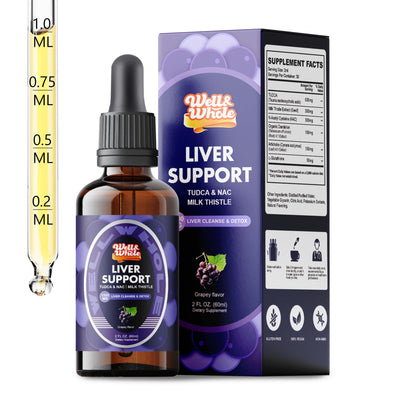
The well&whole Liver Support Liquid Drops combine NAC, milk thistle, TUDCA, dandelion, artichoke, and glutathione—all of which address different mechanisms of alcohol-related liver stress. Taken consistently alongside reduced alcohol intake, they may help support the liver's natural recovery capacity.

Timing Considerations
- **Before drinking**: Some people take NAC before drinking to pre-load glutathione. This is a common practice but not well-studied clinically for this specific timing. The rationale is sound (having glutathione available before oxidative stress hits), but evidence is primarily mechanistic rather than from controlled trials.
- **After drinking**: Taking a liver support formula the morning after, when glutathione is depleted and oxidative stress is elevated, has clearer mechanistic support.
- **Daily for overall resilience**: Consistent daily use (not just around drinking episodes) provides cumulative liver support that builds over time, making the liver more resilient overall.
FAQ
1. Can supplements prevent hangovers?
No reliable evidence supports any supplement preventing hangovers. Hangovers involve multiple mechanisms (acetaldehyde, dehydration, inflammation, sleep disruption) that no single supplement addresses comprehensively. Adequate hydration, rest, and time remain the most effective hangover management.
2. Is NAC effective for alcohol-related liver support?
NAC has strong mechanistic support for replenishing glutathione depleted by alcohol metabolism. It is used clinically for acute liver toxin exposure (acetaminophen overdose). For moderate alcohol consumption, NAC may help maintain glutathione levels, but it does not prevent acetaldehyde toxicity entirely.
3. Can I drink alcohol while taking liver supplements?
Taking liver supplements does not make drinking safe. Supplements may support recovery but do not neutralize alcohol's toxic effects. Reducing alcohol intake remains the most important intervention. If you drink occasionally, supplements may support your liver's resilience—but they are not protective enough to justify increased drinking.
4. How long does the liver take to recover after stopping drinking?
Fatty liver (steatosis) can begin reversing within 2–4 weeks of abstinence. Inflammation may take months. Cirrhosis is generally irreversible, though progression can be halted. The timeline depends on the extent of damage and individual factors.
5. What about coffee—does it help the liver after alcohol?
Multiple studies, including a 2016 meta-analysis in *Alimentary Pharmacology & Therapeutics*, have found that coffee consumption is associated with reduced liver enzyme levels and lower risk of liver disease progression, including in alcohol-related contexts. The mechanism likely involves coffee's antioxidant and anti-inflammatory compounds.
6. Should I take NAC before or after drinking?
Theoretically, pre-loading NAC (before drinking) may provide glutathione reserves before oxidative stress occurs. Post-drinking NAC replenishes depleted glutathione. Both approaches have mechanistic rationale but limited clinical study for this specific context. Consistent daily NAC supplementation builds cumulative glutathione capacity regardless of timing.
7. Are there supplements I should avoid if I drink?
Avoid supplements that themselves stress the liver when combined with alcohol—including high-dose vitamin A, high-dose iron, kava, and certain other herbs. Alcohol plus acetaminophen (Tylenol) is particularly dangerous and should never be combined, even at normal doses.
8. Can milk thistle help with alcohol-related liver damage specifically?
Clinical trials of milk thistle in alcoholic liver disease have shown favorable trends—reduced liver enzymes and improved liver function markers—but the evidence is not strong enough for medical guidelines to recommend it as a standalone treatment. It may provide adjunctive antioxidant support alongside abstinence.
9. What is the single most important thing for liver recovery after alcohol?
Reduce or stop alcohol intake. No supplement, food, or lifestyle change compensates for continued heavy drinking. Abstinence or significant reduction is the primary evidence-based intervention for alcohol-related liver damage.
10. Can liver supplements help if I only drink occasionally?
Occasional, moderate drinking produces transient liver stress that a healthy liver typically handles. Supplements may provide additional resilience for people who want extra support, but they are not necessary for everyone who drinks occasionally. The need depends on individual factors—metabolic health, liver enzyme baseline, and overall lifestyle.
Conclusion
Alcohol challenges your liver in specific, well-documented ways: acetaldehyde toxicity, glutathione depletion, oxidative stress, bile flow impairment, and progressive cellular damage. Supplements that address these mechanisms—NAC for glutathione replenishment, milk thistle for antioxidant protection, TUDCA for bile flow and ER stress, glutathione for direct antioxidant supply—have meaningful mechanistic and clinical support.
But supplements are adjuncts, not solutions. The most important action for liver health after alcohol is reducing or eliminating alcohol intake. Supplements help your liver rebuild; reducing alcohol lets the rebuilding happen.
well&whole Liver Support Liquid Drops combine TUDCA, NAC, milk thistle, dandelion, artichoke, and glutathione in one comprehensive formula—supporting your liver's natural recovery capacity alongside the lifestyle changes that matter most.
Related supplements
Should you decide to supplement, Liver Support Liquid Drops Supplement | TUDCA Drops Liver Cleanse & Detox with Milk Thistle, NAC, Dandelion, Artichoke & Glutathione for Detox and TUDCA 1000mg Gummies with Milk Thistle 500mg for Adults are our formulation for this purpose. For a broader comparison, see the Liver Support and Milk Thistle collections.
These statements have not been evaluated by the Food and Drug Administration. This product is not intended to diagnose, treat, cure, or prevent any disease.