A Guide to Beef Organ Supplements: The Science Behind Beef Liver, Adrenal, and Thyroid Extracts
Beef organ supplements are making a comeback. This article analyzes the nutritional value and evidence-based benefits of beef liver, heart, kidney, adrenal gland, and thyroid extracts, as well as how to choose “grass-fed” products.

Introduction
One hundred years ago, animal organs were among the most prized parts of the human diet. Hunters ate livers, kidneys, and hearts; herders consumed animal blood and glands; and traditional medicine used organs as tonics.
But by the mid-20th century, chicken and ground beef had become mainstream, and “animal organs” had all but disappeared from the American diet. As a result, modern people are generally deficient in nutrients found exclusively in organs—such as vitamin A (in the form of retinol), vitamin B12, heme iron, CoQ10, choline, copper, and zinc.
Since 2020, beef organ supplements have experienced a resurgence—particularly whole-organ powders that are “grass-fed,” “pasture-raised,” and “freeze-dried.”
This article will introduce you to this ancient yet emerging category of supplements.
Key Takeaways
- Beef liver is a traditional nutrient-dense food, naturally rich in vitamin A, B12, iron, and folate.
- Desiccated beef organ supplements aim to capture those nutrients in a convenient daily format.
- They are a concentrated source—follow labeled servings and check with a professional if you are pregnant or take vitamin A–containing products.
1. Why Is “Meat Not the Same as Organs”?
A common misconception is: “I eat meat every day, so my nutrition should be sufficient.”
But the reality is:
Nutrient Muscle Meat (Beef) Liver
Vitamin A Almost none Extremely high (10,000–20,000 IU/100g)
Vitamin B12 High Extremely high
Iron Moderate Extremely high (heme iron)
Copper Low Extremely high
Choline Low Extremely high
CoQ10 Moderate High
Vitamin D Low Moderate
The nutrient density of organ meats is 10–50 times that of muscle meat. This is why traditional societies have regarded organs as “the most precious parts.”
2. Beef Liver: The King of Nutrient Density
2.1 The “Superpowers” of Beef Liver
Beef liver is one of the most nutrient-dense foods. Every 100 grams of raw beef liver (about 3.5 ounces) contains:
**Vitamin A**: 20,000 IU (in the form of retinol, with extremely high bioavailability)
**Vitamin B12**: 70–80 µg (about 2,500% of the RDA)
**Folate**: 200–250 µg
**Iron**: 6–8 mg (heme iron, with an absorption rate of 25–30%, which is 5 times that of plant-based iron)
**Copper**: 10–15 mg
**Choline**: 300–400 mg
**CoQ10**: 3–5 mg
**Biotin**: 40 µg
2.2 Key Benefits
1. Improves Iron-Deficiency Anemia
Heme iron is the form of iron most easily absorbed by the human body. For women (especially those with heavy menstrual flow), athletes, and vegetarians or vegans transitioning to a meat-based diet, beef liver is the best food for correcting iron deficiency.
2. Boosts Energy and Athletic Performance
B12 + Iron + CoQ10 + Choline = The golden combination for energy metabolism.
3. Skin and Vision
Vitamin A (retinol) is essential for skin cell renewal and retinal function. It helps with dry skin, night blindness, and acne.
4. Supporting Liver Health
The ancient wisdom of the “Doctrine of Signatures”: eating animal liver is believed to support the human liver. Modern science confirms this—beef liver is rich in choline (which supports liver fat metabolism), CoQ10 (for mitochondria), and glutathione (the liver’s most abundant antioxidant).
2.3 Risks of Beef Liver: Vitamin A Overdose
⚠️ Key Warning: Vitamin A is a fat-soluble vitamin that accumulates in the body; excessive amounts are toxic.
Daily Upper Limits for Adults:
Adult RDA: 3,000 IU (900 µg RE)
Acute toxicity: >200,000 IU in a single dose
Chronic toxicity: >10,000 IU/day for several months
For pregnant women: Vitamin A intake exceeding 10,000 IU/day may cause birth defects.
Therefore:
Consume beef liver no more than 1–2 times per week, 100–150 g per serving.
When choosing supplements, limit the daily dose of vitamin A to 3,000–5,000 IU.
**Pregnant women should avoid beef liver supplements.**
3. Beef Heart: CoQ10 and the Heart
3.1 The Unique Value of Beef Heart
**CoQ10**: High concentration (5–10 mg/100 g)
**Taurine**: High concentration (supports heart muscle)
**Carnosine**: High concentration
**Iron, B12**: Equivalent to liver
**Potassium, Magnesium**: High
3.2 Benefits
1. Cardiovascular Support
CoQ10 is a key component of the mitochondria in cardiac muscle cells. Supplementation
Why beef liver is considered a nutrient-dense food
Beef liver has long been valued as a source of naturally occurring vitamin A, vitamin B12, iron, and folate—nutrients that contribute to normal energy metabolism and normal red-blood-cell formation.
Desiccated (freeze-dried) beef organ supplements concentrate these nutrients into a small daily serving, offering a modern alternative to eating organ meats regularly.
Who might be interested
Adults who rarely eat organ meats but want their nutrient profile, and people focused on iron and B-vitamin intake, are common users.
Because beef liver is very high in preformed vitamin A, those who already take vitamin A or retinol products should total their intake carefully.
How to choose a quality beef organ supplement
Look for grass-fed sourcing, third-party testing, and a transparent label stating organ types (liver, often with heart or kidney blends).
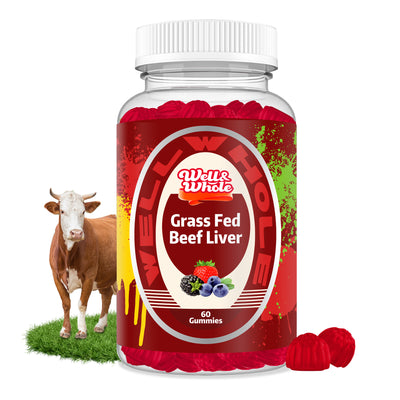
Capsules are most common, but gummies and powders exist. Choose the format that fits your routine and stick to the labeled serving.
How it may fit alongside a balanced diet
A beef organ supplement is a complement to, not a replacement for, a varied diet rich in lean proteins, vegetables, and whole foods.
If you are pregnant, nursing, or taking other vitamin A supplements, consult a healthcare professional before use.
How to fit beef organ supplements into a daily routine
Consistency matters more than perfection. Most people do best by attaching a supplement to an existing habit—morning coffee, a post-workout shake, or an evening wind-down—so it becomes automatic rather than another task to remember.
Start with the labeled serving and give it a few weeks of regular use before judging how it fits. Keep a simple note of how your routine feels; that feedback helps you adjust timing or format.
What to look for when reading the label
A transparent label states the active amount per serving, the form of the ingredient, and any third-party testing or quality certifications. Avoid products that hide specifics behind proprietary blends.
Check serving size, other added ingredients, and storage instructions. If anything is unclear, a reputable brand's customer support should answer directly—and a healthcare professional can help you match a product to your needs.
This article is for general wellness education and is not intended to diagnose, treat, cure, or prevent any condition. Individual needs vary—always review product labels and consult a qualified healthcare professional before starting any new supplement.
Related supplements
Explore the full well&whole supplement collection to find formats and combinations that fit your routine.
These statements have not been evaluated by the Food and Drug Administration. This product is not intended to diagnose, treat, cure, or prevent any disease.