Vitamin E Supplement Guide Benefits Risks and Safe Dosage
Discover if a vitamin e supplement is right for you with benefits risks dosage tips natural vs synthetic guidance

Ever wonder if your vitamin e supplement is actually doing anything, or if it’s just hype? Let’s skip the marketing fluff. As a fat-soluble antioxidant, Vitamin E isn't just another pill—it’s a critical shield your body uses to fight off daily wear and tear at a cellular level.
Here is exactly what the science says about how it protects your body.
Cellular Protection Against Oxidative Stress
Every day, your body faces onslaughts from pollution, metabolic waste, and toxins. These create free radicals—unstable molecules that steal electrons from your healthy cells.
Vitamin E steps in as a primary defender. It specifically halts lipid peroxidation, a destructive process where free radicals attack and damage the fats in your cell membranes. By neutralizing these unstable molecules, Vitamin E keeps your cellular structure intact and functioning smoothly.
How Vitamin E Benefits Your Body
| Benefit Area | Target | How It Works |
|---|---|---|
| Immune Support | T-Cell Membranes | Protects aging immune cells from oxidative damage, maintaining your body's natural defenses. |
| Skin Health | Skin Barrier | Works systemically to reinforce the lipid barrier, helping protect against UV-induced damage. |
| Neurological Health | Brain Tissue | Shields the highly fatty tissues of the brain from long-term oxidative stress. |
| Eye Health | Retinal Cells | Guards the polyunsaturated fatty acids in the retina to support long-term vision. |
Immune Resilience
Your immune cells rely heavily on intact membranes to communicate and fight off threats. Vitamin E concentrates in the membranes of T-cells, preserving their structure so your immune system can mount a strong, resilient response when challenged.
Skin Barrier Integrity
While topical oils are popular, taking a vitamin e supplement works from the inside out. It delivers antioxidants to the skin's fat layers, synergizing with your natural lipids to lock in moisture and mitigate the aging impacts of UV exposure.
Sharp Brain and Vision
Your brain and retinas are packed with fats and consume massive amounts of oxygen, making them prime targets for oxidative damage. Vitamin E specifically targets these fatty tissues, neutralizes the stress, and protects your cognitive and visual health over time.
Natural vs. Synthetic Vitamin E: Reading the Label
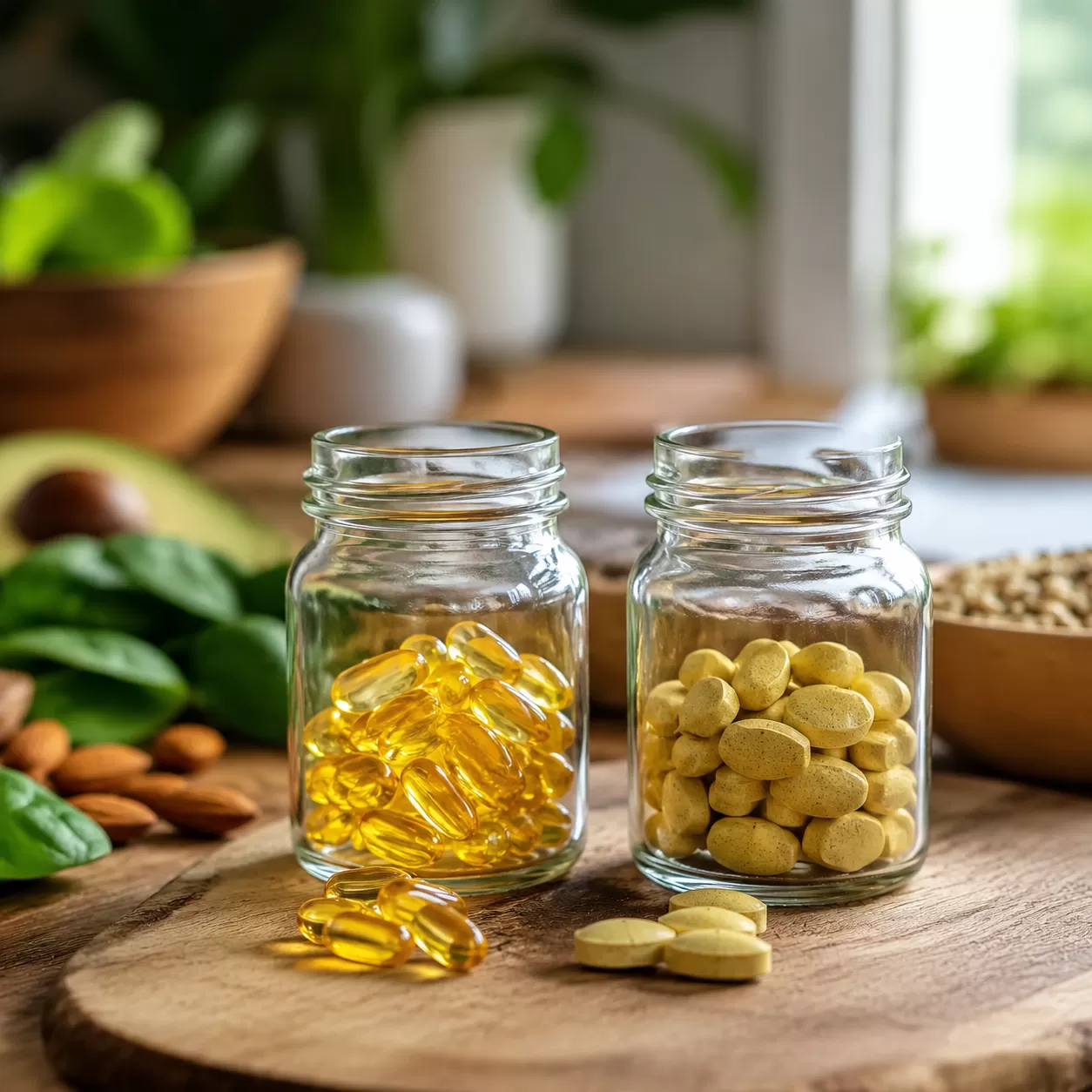
When choosing a vitamin e supplement, what is on the ingredient label matters more than you might think. The body handles natural and synthetic forms of this fat-soluble antioxidant very differently, which directly impacts how much benefit you actually get from your daily dose.
The Bioavailability Split
The human body has a strong preference for natural Vitamin E. The liver contains a specific binding protein that recognizes and selects the natural form, allowing it to circulate in the blood longer and reach tissues efficiently. Lab-made synthetic versions, however, are recognized at a much lower rate. This means you need to take nearly double the amount of synthetic Vitamin E to match the potency and biological activity of the natural form.
Decoding the Ingredients: d-alpha-tocopherol vs. dl-alpha-tocopherol
Spotting the difference on a supplement label comes down to a single letter. Use this quick guide to know exactly what you are buying:
- Natural Vitamin E: Look for d-alpha-tocopherol (sometimes listed as RRR-alpha-tocopherol). This is the highly bioavailable, plant-derived form that your body absorbs best.
- Synthetic Vitamin E: Look for dl-alpha-tocopherol (sometimes listed as all-rac-alpha-tocopherol). The "l" signifies a lab-made, synthetic mirror image that lowers overall effectiveness.
| Feature | Natural Vitamin E | Synthetic Vitamin E |
|---|---|---|
| Label Name | d-alpha-tocopherol | dl-alpha-tocopherol |
| Source | Plant oils (like sunflower or wheat germ) | Petroleum-based or petrochemical synthesis |
| Bioavailability | High (100% active in the body) | Low (Only about 50% active) |
The Full Spectrum Note
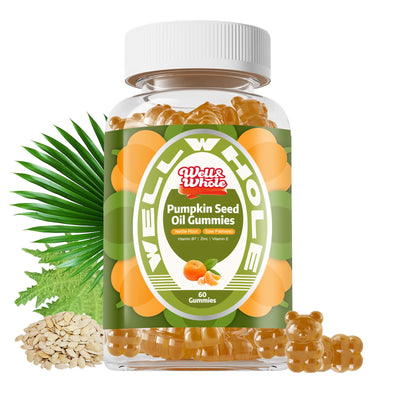
Many standard supplements only provide isolated alpha-tocopherol because it is the most abundant form in human tissue. However, nature doesn't package nutrients in isolation. A true mixed tocopherols supplement delivers a full spectrum of alpha-, beta-, gamma-, and delta-tocopherol. This combination mirrors how you find whole food nutrients in nature and prevents your cells from becoming oversaturated with just one form, maintaining a healthier biochemical balance. For overall wellness, supporting this balance can be as beneficial as targeted additions like incorporating pumpkin seed oil gummies into your daily routine to get a broader range of plant-based essential fatty acids.
The Red Flags: Vitamin E Supplement Risks and Toxicity
While a vitamin e supplement offers great antioxidant support, more is definitely not better. Because Vitamin E is a fat-soluble antioxidant, your body stores the excess in fatty tissues and the liver rather than flushing it out through urine. This means high doses can accumulate over time, leading to serious toxicity risks.
Bleeding and Stroke Risks
Taking megadoses of Vitamin E can actively interfere with how your body uses Vitamin K, which is essential for blood clotting. This inhibition directly increases your hemorrhagic stroke risk and can cause unexpected or severe bleeding.
The Clinical Trial Reality
Major clinical trials have debunked the myth that massive doses of isolated vitamins are harmless. Research shows that high-dose daily supplementation—often defined as 400 IU or more—actually correlates with an increased risk of heart failure and prostate cancer in specific demographic groups.
Critical Medication Interactions
Before adding a Vitamin E supplement to your routine, you must audit your current medicine cabinet. It poses a severe blood thinners interaction, amplifying the effects of medications like warfarin or aspirin to dangerous levels. Furthermore, high doses can alter the effectiveness of statins and specific cancer treatments like chemotherapy and radiation.
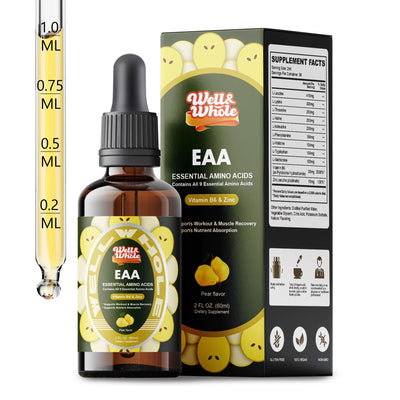
Important Note: If you are looking to support your overall wellness with balanced, whole-body nutrients rather than isolated megadoses, consider highly bioavailable options like essential amino acid liquid to safely fuel your daily cellular health.
Dosage Guide: How Much Vitamin E Supplement Do You Actually Need?
Getting the right amount of a vitamin e supplement is a balancing act between hitting your daily requirements and avoiding unnecessary overconsumption. Because it is a fat-soluble antioxidant, your body stores what it does not use, making proper dosing critical for safety and efficacy.
The Recommended Dietary Allowance (RDA)
For most adults, the recommended daily allowance is 15 mg (or 22.4 IU) of alpha-tocopherol per day. This baseline amount is all your body typically needs to combat oxidative stress and support healthy immune function.
The Tolerable Upper Intake Level (UL)
While the daily requirement is relatively low, many over-the-counter capsules are heavily megadosed. The Tolerable Upper Intake Level (UL) is set at 1,000 mg (1,500 IU) daily for adults. Consuming high-dose dietary supplements beyond this threshold significantly elevates your hemorrhagic stroke risk and can cause serious bleeding complications. Stick to moderate doses unless a physician prescribes otherwise.
The Ultimate Vitamin E Absorption Hack
To get the most out of your vitamin e supplement, you must always take it with a fat-containing meal. Because Vitamin E dissolves in lipids rather than water, taking it alongside healthy fats—like avocado, nuts, or olive oil—drastically improves its bioavailability and ensures your body can properly absorb and utilize the nutrient.
Who Actually Needs a Vitamin E Supplement?
True vitamin E deficiency is incredibly rare in the United States. Because this fat-soluble antioxidant is widely available in everyday foods like nuts, seeds, and vegetable oils, most people easily meet their daily requirements through a standard diet without needing dietary supplements.
High-Risk Groups and Fat Malabsorption
While the average person gets plenty of nutrients from whole foods, certain individuals genuinely require a vitamin E supplement. Because vitamin E relies on dietary fat for absorption, people dealing with fat malabsorption syndromes cannot absorb it properly. You might need to supplement if you have been diagnosed with:
- Crohn's disease or Celiac disease
- Cystic fibrosis
- Chronic pancreatitis
- Genetic disorders affecting fat metabolism
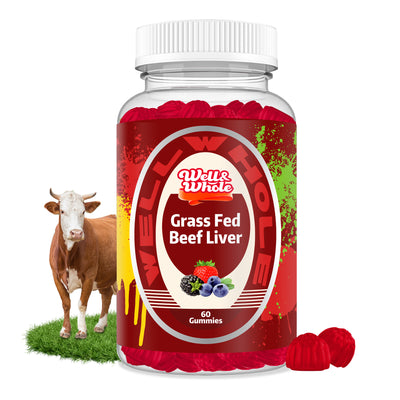
If your body struggles to absorb fats, you are likely missing out on other crucial fat-soluble nutrients as well. Supporting your overall nutritional foundation with targeted, easily digestible options like grass-fed beef liver supplement gummies can help fill in stubborn micronutrient gaps.
When to Consult a Doctor
Do not guess when it comes to high-dose fat-soluble vitamins. Because excess vitamin E accumulates in your tissues rather than washing out in your urine, taking random high-dose capsules can quickly lead to toxicity.
Always schedule a formal blood test with your healthcare provider before adding a vitamin E supplement to your routine. A simple lab panel will confirm your actual serum levels and ensure you aren't taking unnecessary risks with your cardiovascular or blood-clotting health.
The Food-First Approach: Nature's Top Sources of Vitamin E
While a high-quality vitamin e supplement can help bridge nutritional gaps, getting your nutrients directly from whole foods is always the ideal starting point. Your body is naturally wired to absorb this fat-soluble antioxidant when it is delivered alongside the healthy fats found in real food.
If you are looking to boost your daily intake naturally, these are the top US dietary sources to add to your grocery list.
Nuts and Seeds
- Sunflower Seeds: One of the richest whole-food sources available. Just a small handful delivers a massive dose of natural alpha-tocopherol.
- Almonds: Packed with vitamin E and healthy monounsaturated fats, making them the perfect travel-friendly snack for optimal absorption.
Plant Oils
- Wheat Germ Oil: This is the absolute powerhouse of vitamin E sources. A single tablespoon easily covers your entire daily requirement.
- Sunflower and Olive Oils: Excellent options for daily cooking and salad dressings. Using these oils helps your body process the nutrient efficiently without needing synthetic alternatives.
Green Leafy Vegetables
- Spinach: This versatile green offers a solid amount of vitamin E along with critical co-factors like vitamin C.
- Broccoli: Another excellent vegetable source that provides a steady stream of whole food nutrients to combat daily oxidative stress.
| Food Source | Serving Size | Vitamin E Content (mg) |
|---|---|---|
| Wheat Germ Oil | 1 Tbsp | 20.3 mg |
| Sunflower Seeds | 1 oz | 10.0 mg |
| Almonds | 1 oz | 7.3 mg |
| Spinach (Cooked) | 1/2 cup | 1.9 mg |
Focusing on these nutrient-dense foods ensures you get a balanced mix of natural tocopherols. However, if your diet falls short or if you struggle with fat absorption, strategic supplementation can help you maintain optimal levels.
Vitamin E Supplement FAQs
Can I take Vitamin E every day?
Yes, you can take a vitamin e supplement daily, but you need to mind the dosage. If you are hitting the standard recommended daily allowance of 15 mg through a low-dose multivitamin or balanced diet, it is perfectly safe. However, high-dose daily softgels (like 400 IU or more) can accumulate in your body over time and lead to serious health complications.
What are the first signs of Vitamin E toxicity?
Because Vitamin E is a fat-soluble antioxidant, excess amounts build up in your tissues rather than washing out in your urine. The earliest warning signs of toxicity include:
- Persistent nausea and stomach cramps
- Unexplained muscle weakness and fatigue
- Blurry vision and frequent headaches
- Easy bruising or prolonged bleeding from minor cuts
Does Vitamin E help with skin wrinkles and aging?
Systemic Vitamin E plays a major role in neutralizing the free radicals that accelerate skin aging. It works from the inside out to defend against oxidative stress and support your skin barrier integrity. While it won't erase deep, established wrinkles overnight, regular intake helps your skin retain moisture and resilience against UV damage. For overall wellness and to keep your body running smoothly, balancing your routine with targeted nutrients—like managing stress and digestion with high-quality slippery elm liquid drops—is a smart approach to healthy aging.
Is d-alpha-tocopherol better than dl-alpha-tocopherol?
Absolutely. d-alpha-tocopherol is natural Vitamin E, which boasts significantly higher bioavailability. Your body recognizes and absorbs this natural form much better than dl-alpha-tocopherol, which is the synthetic, lab-made variation. When buying dietary supplements, always check the label for the "d-" prefix or look for mixed tocopherols to ensure you get the full-spectrum benefits that match whole food nutrients.
Related supplements
If you'd like to try it, Liver Support Liquid Drops Supplement | TUDCA Drops Liver Cleanse & Detox with Milk Thistle, NAC, Dandelion, Artichoke & Glutathione for Detox and TUDCA 1000mg Gummies with Milk Thistle 500mg for Adults are the closest match to what we've covered here. Browse Liver Support and Milk Thistle to see how the alternatives compare.