Vitamin A Benefits for Eyes Skin Immunity and Overall Health
Discover vitamin A benefits for vision skin immunity food sources deficiency signs and safe intake in this expert wellness guide

You might already know that your body relies on essential vitamins to keep everything running smoothly behind the scenes…
But do carrots actually give you night vision, or is that just a childhood myth?
While they won’t grant you superhero eyes, the truth is even better. The real magic comes down to vitamin a benefits—a powerhouse, fat-soluble vitamin that acts as the ultimate multi-tasker for your body. From supporting your immune system function to driving skin cell turnover for that elusive, inside-out glow, this single nutrient bridges the gap between your inner vitality and outer radiance.
But here is where most people get tripped up: not all Vitamin A is created equal. There is a massive difference between the preformed vitamin a (retinoids) you get from animal sources and the provitamin a carotenoids like beta-carotene found in plants. How your body absorbs them—and how you balance them to avoid vitamin a toxicity—changes everything.
If you are looking to sharpen your vision, shield your immune system, or finally understand how dietary retinol connects to your skincare routine, you are in the right place.
Let’s dive right in.
Vitamin A Benefits: Preformed vs. Provitamin A
When we talk about maximizing vitamin a benefits, it helps to understand that this essential nutrient doesn't just come in one form. It actually has two distinct faces in our diet, and our bodies handle them differently.
I always break it down into two categories: preformed vitamin a (retinoids) and provitamin a carotenoids.
Animal-Based Retinoids vs. Plant-Based Carotenoids
- Preformed Vitamin A (Retinoids): Found in animal products like liver, eggs, and dairy. This form is "active," meaning your body can use it immediately without any conversion.
- Provitamin A Carotenoids: Found in vibrant plant foods like sweet potatoes and carrots (think beta-carotene). Your body must convert these compounds into active vitamin A before utilizing them.
| Form of Vitamin A | Main Dietary Sources | Body Readiness |
|---|---|---|
| Preformed Vitamin A (Retinoids) | Organ meats, dairy, eggs, fish | Active (Ready to use) |
| Provitamin A (Carotenoids) | Carrots, sweet potatoes, spinach | Requires conversion |
The Critical Role of Dietary Fat Absorption
Because vitamin A is a fat-soluble vitamin, it does not dissolve in water. To unlock the full spectrum of vitamin a benefits, your body relies heavily on efficient dietary fat absorption.
If you eat your plant-based carotenoids or animal-based retinoids without a source of healthy fat, your digestive system cannot absorb them effectively. Pairing your vitamin A sources with a splash of olive oil, avocado, or nuts ensures optimal nutrient uptake.
Core Vitamin A Benefits for Your Body
Vitamin A is a powerhouse nutrient that keeps your body running smoothly from the inside out. It plays a foundational role in everything from your daily immune defense to how well you see in low-light environments.
Essential Health Benefits at a Glance
- Sharp Vision & Eye Longevity: Vitamin A is critical for maintaining clear vision. It helps produce the pigments needed for your retina to function correctly, serving as your primary defense against night blindness (nyctalopia) and supporting long-term eye health as you age.
- Immune System Function: This fat-soluble vitamin keeps your natural defenses strong. It maintains the integrity of your epithelial tissue barriers—the protective linings in your lungs, gut, and urinary tract that keep harmful pathogens out.
- Cellular Growth & Organ Maintenance: Your heart, lungs, and kidneys require steady vitamin A levels to function properly. It is also deeply involved in bone remodeling and regular cellular growth.
- Reproductive & Developmental Health: Crucial for both men and women, it ensures normal reproductive function and aids in healthy fetal development.
How Vitamin A Supports Your System
| Body System | Primary Role | Key Benefit |
|---|---|---|
| Eyes | Retina pigment production | Prevents night blindness & protects the cornea |
| Immune Defense | Structural barrier maintenance | Strengthens T-cells and epithelial tissues |
| Skeletal & Organs | Cellular communication | Assists in bone remodeling and organ regulation |
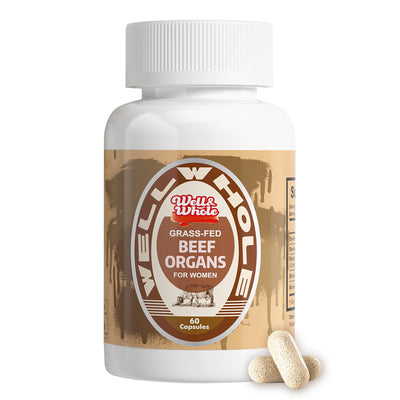
To naturally keep your levels where they need to be, incorporating nutrient-dense whole foods is the most effective strategy. High-quality animal sources offer the most bioavailable forms of this vitamin. If you are looking to easily upgrade your daily nutrition, our grass-fed beef organ supplement capsules provide a pure, potent source of preformed vitamin A to support your vision, immune health, and cellular vitality every day.
Inside-Out Glow: The Skincare Benefits of Vitamin A
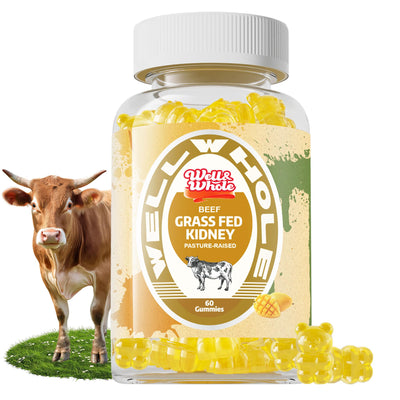
When it comes to achieving radiant, youthful skin, the vitamin a benefits are unmatched. This powerhouse nutrient works from both the inside out and the outside in to transform your skin texture and tone. While topical retinoids target the surface layers directly, dietary intake ensures your body has the foundational nutrients required for long-term cellular health. For those looking to support their body's internal nutrient foundation, incorporating nutrient-dense options like grass-fed beef kidney gummies can be an excellent way to source bioavailable, preformed vitamin A.
How Vitamin A Transforms Your Skin
Vitamin A acts as a biological regulator for your skin, managing everything from acne to aging. Here is a breakdown of how it delivers that coveted glow:
- Accelerates Skin Cell Turnover: It speeds up the rate at which your body sheds old, dead skin cells. This constant renewal prevents clogged pores, reduces acne breakouts, and leaves behind a smoother surface.
- Stimulates Collagen Production: By reaching the deeper layers of the skin, it kickstarts collagen synthesis. More collagen means increased elasticity, firmer skin, and a visible reduction in fine lines and wrinkles.
- Fights Free Radicals: Its potent antioxidant properties neutralize environmental free radicals caused by UV pollution and stress, stopping premature aging before it starts.
- Fades Hyperpigmentation: It regulates pigment-producing cells, helping to fade dark spots, sun damage, and uneven skin tone for a brighter complexion.
Topical Retinoids vs. Dietary Intake
| Feature | Topical Retinoids (Creams/Serums) | Dietary Vitamin A (Foods/Supplements) |
|---|---|---|
| Primary Target | Localized skin layers and immediate surface texture | Systemic cellular growth and long-term tissue maintenance |
| Main Benefit | Rapid skin cell turnover and targeted acne/wrinkle reduction | Overall epithelial tissue support and full-body antioxidant defense |
| Source Type | Retinol, tretinoin, adaptalene | Retinol from animal sources, beta-carotene from plants |
The Best Whole Food Sources of Vitamin A
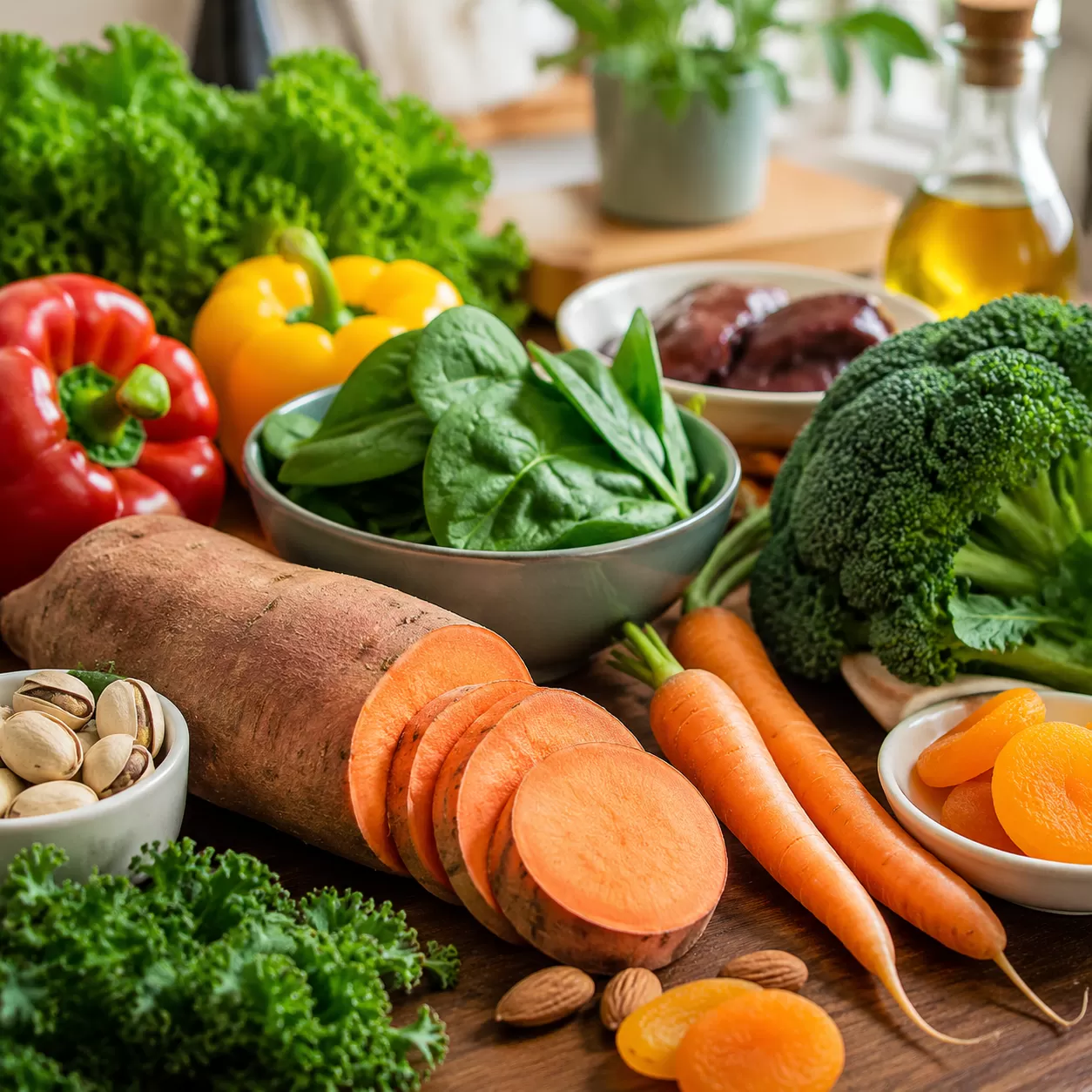
Getting enough vitamin A benefits your entire body, but your source matters. Preformed vitamin A (retinol and retinoic acid) comes from animal products and is ready for your body to use immediately. On the other hand, provitamin A carotenoids come from colorful plants and require conversion by your liver.
Animal-Based Powerhouses Rich in Retinol
Animal sources provide the most bioavailable form of this fat-soluble vitamin. If you want to support your system directly, consider adding these to your diet:
- Beef Liver: The absolute king of vitamin A density.
- Cod Liver Oil: Excellent for a quick, concentrated dose.
- Fatty Fish: Salmon, mackerel, and herring.
- Dairy & Eggs: Whole eggs and grass-fed butter.
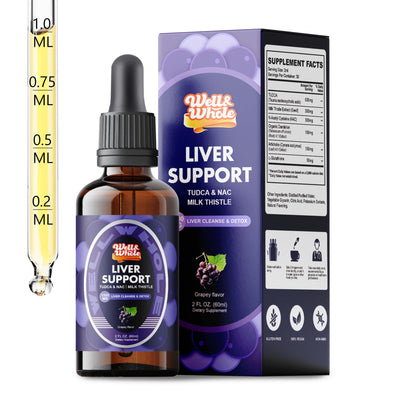
Because your liver filters and stores these nutrients, keeping your metabolic detox pathways clean is essential for proper processing. Incorporating a high-quality liver support liquid drops supplement can help optimize your body's natural filtration and nutrient metabolism.
Plant-Based Vibrant Sources Packed with Beta-Carotene
For a plant-forward approach, look for deep orange, yellow, and dark leafy green whole food sources. Your body converts these provitamin A carotenoids into active retinol as needed:
- Sweet Potatoes & Carrots: Packed with beta-carotene.
- Dark Leafy Greens: Spinach, kale, and Swiss chard.
- Squash: Pumpkin and butternut squash.
- Fruits: Cantaloupe, mangoes, and apricots.
How to Maximize Dietary Fat Absorption
Vitamin A is a fat-soluble vitamin, meaning it cannot be absorbed efficiently without dietary fat. To unlock the full vitamin A benefits from your meals, always pair your veggies with a healthy fat source.
| Food Category | Plant Source | Matching Healthy Fat for Absorption |
|---|---|---|
| Leafy Greens | Spinach / Kale | Extra virgin olive oil or avocado |
| Root Vegetables | Carrots / Sweet Potatoes | Grass-fed butter or coconut oil |
| Orange Fruits | Cantaloupe / Mango | A handful of almonds or walnuts |
Identifying Vitamin A Deficiency and Toxicity Boundaries
Striking the right balance with this fat-soluble vitamin is essential for long-term health. While it offers incredible head-to-toe perks, both too little and too much can trigger serious health complications.
Signs of Suboptimal Levels and Night Blindness
When your body lacks adequate vitamin A, the earliest warning signs show up in your eyes and skin. A classic symptom of deficiency is night blindness (nyctalopia), where it becomes difficult or impossible to see in relatively low light. Over time, a severe lack of this nutrient can dry out the cornea, leading to permanent damage. Other common indicators include:
- Chronic dry eyes and irritation
- Severe dry, scaly skin and follicular hyperkeratosis
- Weakened immune system function, leading to frequent respiratory infections
- Delayed wound healing
The Risk of Vitamin A Toxicity (Hypervitaminosis A)
Because preformed vitamin A is stored in the liver, mega-dosing through improper supplementation can lead to vitamin A toxicity (hypervitaminosis A). This condition comes in two forms:
- Acute Toxicity: Happens after consuming a massive amount in a short period, causing nausea, vomiting, dizziness, and blurred vision.
- Chronic Toxicity: Builds up over time from regular high-dose intake. Symptoms include cracked skin, brittle bones, joint pain, liver damage, and severe birth defects if consumed excessively during pregnancy.
Recommended Dietary Allowance (RDA) and Supplementation Safety
To keep your levels in the sweet spot, look to the established Recommended Dietary Allowance (RDA). For most adults, the daily requirement ranges between 700 mcg to 900 mcg of Retinol Activity Equivalents (RAE). The absolute maximum tolerable upper limit is 3,000 mcg RAE per day.
| Population Group | Daily RDA (mcg RAE) | Tolerable Upper Limit (mcg RAE) |
|---|---|---|
| Adult Men | 900 mcg | 3,000 mcg |
| Adult Women | 700 mcg | 3,000 mcg |
| Pregnant Women | 770 mcg | 3,000 mcg |
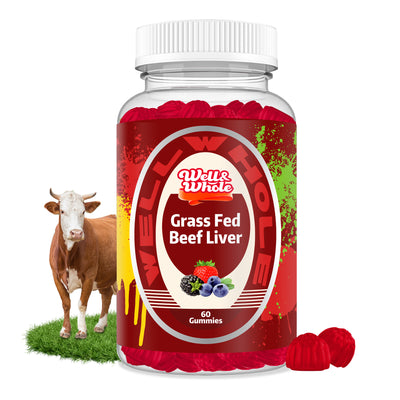
To safely meet your daily goals without the worry of toxicity, prioritize nutrient-dense whole food sources. If your diet falls short, a high-quality, whole-food-based option like a grass-fed beef liver supplement provides a highly bioavailable, naturally balanced dose of preformed vitamin A that your body can easily recognize and use. Always consult a healthcare professional before starting high-dose synthetic supplements.
Frequently Asked Questions About Vitamin A Benefits
Can you get too much vitamin A from plant sources?
No, you cannot get vitamin A toxicity from eating plant sources. Plants contain provitamin A carotenoids like beta-carotene, which the body only converts into active vitamin A on an as-needed basis. If you consume a massive amount of carrots or sweet potatoes, the worst side effect is carotenemia—a harmless, temporary yellowing of the skin.
What is the difference between retinol and beta-carotene?
The primary difference lies in how efficiently your body can use the nutrient.
| Feature | Retinol (Preformed Vitamin A) | Beta-Carotene (Provitamin A) |
|---|---|---|
| Source | Animal products (liver, dairy, fish) | Plant products (carrots, leafy greens) |
| Bioavailability | Highly bioavailable; used immediately | Needs conversion by the body first |
| Toxicity Risk | Higher risk if over-consumed via supplements | Extremely low; safe from whole foods |
To optimize overall nutrient metabolism, liver health, and digestion, maintaining healthy bile flow is crucial for breaking down fat-soluble nutrients like retinol. Some people support this process using targeted formulas like TUDCA gummies with milk thistle to promote optimal liver and gallbladder function.
How long does it take to see skincare benefits from vitamin A?
When utilizing topical retinoids to boost skin cell turnover, patience is required. While some initial smoothing effects can happen sooner, noticeable changes follow a specific timeline:
- 4 to 6 weeks: Improved skin texture and a reduction in minor breakouts.
- 12 weeks (3 months): Visible fading of hyperpigmentation and dark spots.
- 6 months+: Visible reduction in fine lines and wrinkles due to deep collagen stimulation.
Related supplements
If you want to explore this area, the Skin Health and Health Benefits collections cover the relevant supplements and formats.