Immune System Boosters Optimizing Natural Body Defense
Evidence based immune system boosters guide foods vitamins lifestyle tips to support immune response gut health and stress control

Every time cold and flu season rolls around, you’re flooded with products promising overnight immune system boosters.
But here’s the clinical truth: you can't actually "hyper-boost" your system without triggering an overactive immune response that causes internal inflammation. There is no magic pill.
Instead, true health is about supporting your body’s natural baseline.
At well&whole, we believe in sustainable, evidence-based wellness. In this guide, you’re going to learn exactly how to fuel your white blood cells, protect your gut microbiome, and build a resilient pathogen defense system through daily, practical habits.
Let’s dive right in.
Natural Immune System Boosters: Foods and Nutrition
We often get asked if you can eat your way to a stronger immune response, or if the food on your plate actually protects you from getting sick. The short answer is yes. Your dietary choices directly dictate how well your body fights off invaders. We focus on foundational, nutrient-dense foods rather than quick-fix gimmicks to build a resilient system.
The Mediterranean Diet Blueprint
Adopting a Mediterranean diet is one of the most effective ways to lower inflammatory biomarkers and support your baseline defenses. By centering your meals around whole grains, lean proteins, and healthy fats, you give your body a steady stream of anti-inflammatory nutrients.
- Whole Grains: Oats, quinoa, and brown rice provide the cellular energy needed for daily pathogen defense.
- Healthy Fats: Olive oil and avocados protect cell membranes from oxidative stress.
- Lean Proteins: Wild-caught fish and poultry supply the structural building blocks for cellular repair.
Antioxidant-Rich Foods for Cellular Defense
Antioxidant-rich foods act as a personal shield for your cells, neutralising free radicals before they can cause damage. We break these down into three essential categories:
| Food Group | Key Varieties | Primary Benefit |
|---|---|---|
| Citrus Fruits & Bright Veggies | Oranges, bell peppers, broccoli | Packed with Vitamin C to support white blood cells. |
| Leafy Greens | Spinach, kale, Swiss chard | Rich in beta-carotene and folate for cellular repair. |
| Berries & Polyphenols | Blueberries, blackberries, dark chocolate | High in anthocyanins that blunt systemic inflammation. |
The Vital Protein Link
You cannot build a strong defense without adequate protein. When you consume protein, your body breaks it down into amino acids, which are critical for immunoglobulin synthesis (the creation of antibodies). Without enough protein, your body simply cannot produce the tools it needs to recognize and destroy harmful pathogens. Aim for clean sources like eggs, legumes, and lean meats at every meal to keep your defenses fully armed.
The Micronutrient Matrix: Key Vitamins and Minerals for Pathogen Defense
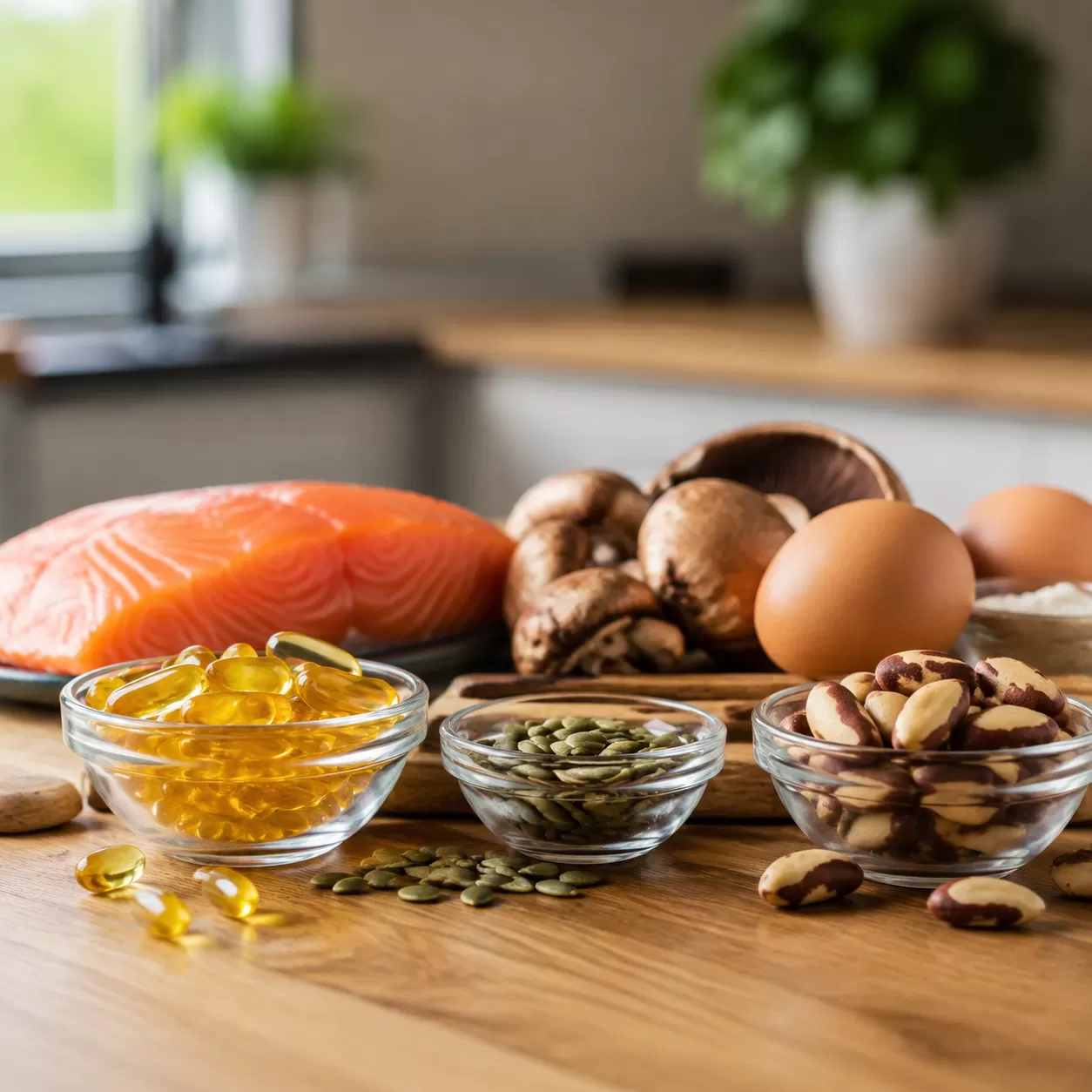
Eating a clean diet is a great start, but specific micronutrients act as the direct triggers for your immune response. Without these essential vitamins and minerals, your defense system lacks the fuel to fight back efficiently.
Vitamin D: The T-Cell Activator
Often called the sunshine vitamin, Vitamin D is non-negotiable for respiratory health. It acts as a biological switch that wakes up your T-cells so they can actively seek out and destroy foreign invaders. A deficiency here leaves your system highly vulnerable to seasonal respiratory tract infections.
Zinc and Selenium: Cellular Bodyguards
These two trace minerals provide a powerful one-two punch for your immune cells:
- Zinc: Directs traffic during an immune response, keeping your white blood cells sharp and supporting phagocytic capacity (the ability of cells to engulf and destroy pathogens).
- Selenium: Acts as a fierce antioxidant, neutralizing oxidative free radicals before they can cause cellular damage.
The Supplying vs. Supplementing Dilemma
While getting your nutrients from whole foods is always the gold standard, modern life, busy schedules, and soil depletion often leave gaps in our nutrition. When your daily meals fall short, high-quality dietary supplements bridge the gap to keep your defenses at 100%.
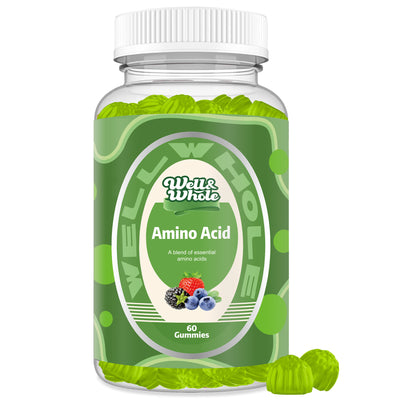
If you are struggling to get enough foundational nutrition from your diet alone, targeted support like essential amino acid supplement gummies can help fill those nutritional gaps and keep your system running smoothly.
| Micronutrient | Primary Immune Role | Best Whole Food Sources |
|---|---|---|
| Vitamin D | Activates T-cells; defends respiratory tract | Fatty fish, fortified dairy, egg yolks |
| Zinc | Supports white blood cell production | Beef, pumpkin seeds, chickpeas |
| Selenium | Neutralizes free radicals; reduces oxidative stress | Brazil nuts, tuna, poultry |
The Gut-Immune Axis: Nurturing Your Microbiome
The 70% Rule of Pathogen Defense
Your gut is the true command center for your immune response. Roughly 70% of your immune system resides directly within the lining of your intestines, where white blood cells constantly interact with your gut microbiome. This vast network of immune cells relies on a healthy intestinal barrier to distinguish between harmless nutrients and dangerous invaders, making gut health the absolute foundation of your body's defense system.
Prebiotics vs. Probiotics for Immune Resilience
Maintaining a resilient immune lining requires a steady balance of beneficial bacteria.
- Probiotics: Living, beneficial bacteria found in fermented foods like yogurt, kefir, and sauerkraut that actively populate your gut.
- Prebiotics: Dietary fibers that act as fuel for these good bacteria, helping them thrive.
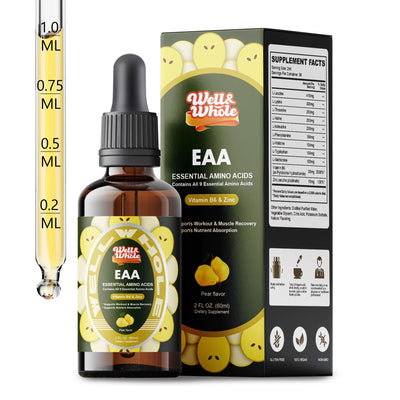
A strong gut barrier stops toxins from leaking into your bloodstream, which directly prevents the chronic inflammation that drains your immune resources. To complement a clean diet and fill nutritional gaps, adding clean, bioavailable options like essential amino acid liquid supports the structural integrity of your intestinal lining and aids cellular repair.
The Damage of Ultra-Processed Foods
Excessive sugar and refined oils act as toxins to your gut ecosystem. Ultra-processed foods rapidly alter the gut microbiome by feeding harmful bacteria and suppressing the beneficial strains. This imbalance degrades the protective mucosal lining of your intestines, triggers systemic inflammation, and leaves your pathogen defense severely compromised.
Lifestyle Architecture: Habits for Pathogen Defense
Eating well is only half the battle; how you manage your daily routine directly dictates your immune response. Incorporating a few non-negotiable lifestyle habits is one of the most effective immune system boosters you can utilize to keep your defenses sharp.
Sleep Architecture & Immune Revival
Skipping out on sleep does more than just make you groggy; it actively cripples your body's ability to fight off invaders.
- The Cytokine Hit: During quality sleep cycles, your body releases cytokines, which are essential proteins that target infection and inflammation. Sleep loss directly reduces the production of these protective proteins, leaving you vulnerable to respiratory tract infections.
- The White Blood Cell Connection: Chronic sleep deprivation reduces the T-cell count and alters the effectiveness of your white blood cells.
- Deep Sleep Tips: Aim for 7–9 hours of uninterrupted rest. Keep your bedroom at 65°F, eliminate blue light an hour before bed, and keep your schedule consistent to protect your biological clock.
Physical Activity as an Immune Circulator
Exercise acts as a rapid-transit system for your body's defense forces. Getting your heart rate up helps pump crucial immune cells through your bloodstream at a much faster rate.
- The 150-Minute Target: Aim for 150 minutes a week of moderate aerobic exercise (like brisk walking, cycling, or swimming). This volume accelerates the circulation of antibodies and white blood cells, allowing them to detect illnesses earlier.
- The Overtraining Trap: More isn't always better. Exhausting, extreme workouts without proper recovery actually spike cortisol levels and temporarily depress your immunity. Balance intensity with recovery.
Stress Management & Cortisol Mitigation
When you are constantly redlined, your body prioritizes immediate survival over long-term immune maintenance.
- The Cortisol Impact: Chronic stress floods your system with cortisol. Over time, elevated cortisol levels block the immune system's kickoff response, rendering it less effective at fighting off everyday bugs.
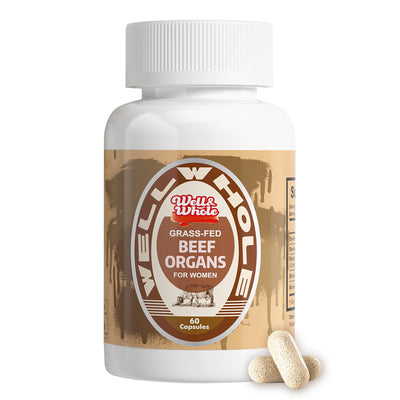
- Micro-Interventions: You don't need a week at a spa to reset. Implementing 5-minute box breathing sessions, daily outdoor walks, or adding targeted nutrients to your routine can blunt the stress response. For those looking to support their body's natural resilience against environmental stressors, exploring traditional adaptogens through a high-quality grassfed beef organ supplement capsules can provide foundational nourishment to help maintain baseline equilibrium.
FAQs About Immune System Boosters
Can you actually boost your immune system fast?
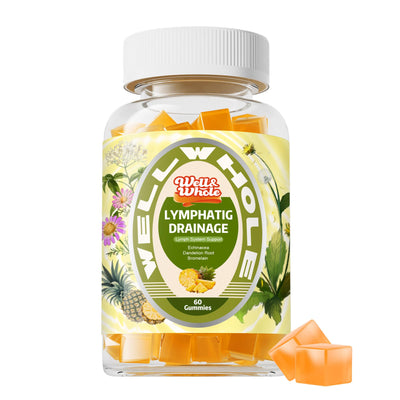
The short answer is no—you cannot instantly supercharge your immune response overnight. The immune system is a complex network of cells, tissues, and organs that requires consistent maintenance rather than a quick fix. While sudden influxes of megadoses won't provide immediate protection, you can rapidly support your body's natural defenses by staying hydrated, resting, and addressing nutrient gaps. For those looking to support their body's natural filtration and immune pathways, incorporating targeted options like lymphatic drainage supplements can be a practical step alongside a balanced diet.
What are the best vitamin C and D dosages for pathogen defense?
For optimal pathogen defense, daily dosages should align with standard clinical guidelines rather than extreme excesses.
- Vitamin C: A daily intake of 75 mg to 90 mg is standard for adults to maintain baseline cellular function, though some opt for up to 500 mg to 1,000 mg during times of high stress or seasonal changes.
- Vitamin D: Maintaining adequate blood levels typically requires 600 IU to 2,000 IU daily, depending on your sun exposure and baseline deficiencies.
Before overloading on dietary supplements, focus on sourcing these anti-inflammatory nutrients from whole foods like citrus fruits, leafy greens, and fatty fish.
How long does sleep loss take to affect my white blood cells?
It happens much faster than most people think. Just a single night of severe sleep loss can measurably disrupt your immune system. Shortchanging your quality sleep cycles reduces the production of protective cytokines and impairs the fighting capacity of your white blood cells. Consistent sleep deprivation elevates baseline cortisol levels, which actively suppresses your immune response and leaves you significantly more vulnerable to everyday respiratory tract infections. Consistent rest is non-negotiable for true cellular defense.
Related supplements
Putting it simply: if this is something you want to add to your routine, our Lymphatic Drainage Supplements Gummies with Echinacea Dandelion Burdock for Adults with Immune and Energy Support and Sulforaphane Broccoli Supplement Liquid Drops for Kids with Sulforaphane, Glucoraphanin, Bacopa Monnieri are a good place to start. The wider Immune Support collection is worth a look, and the Health Benefits range covers related formats.