How Much Vitamin C Is Too Much Safe Daily Limits Explained
Learn how much vitamin C is too much\, safe daily limits by age\, side effects\, and tips for smart supplement use

What is Vitamin C and How Does the Body Process It?
We all know ascorbic acid is a powerhouse for immune support, but our bodies handle it with a very strict set of rules. Unlike fat-soluble nutrients that sit in your system for long-term storage, Vitamin C belongs to the family of water-soluble vitamins. This means it dissolves in water, and we cannot naturally hoard a massive surplus for later use.
Instead, your biology tightly regulates tissue concentrations to keep everything in perfect balance. Your absorption efficiency changes drastically based on how much you take at once:
- Moderate Intakes (30–180 mg): Your body successfully absorbs roughly 70–90% of the nutrient.
- High Intakes (Exceeding 1,000 mg): When oral doses cross the 1-gram threshold, absorption efficiency plummets below 50%.
Any excess, unmetabolized Vitamin C cannot be utilized. Your system safely routes this surplus through the kidneys, filtering it out to be flushed away via urine.
Exactly How Much Vitamin C Do You Need Daily? (The Baseline)
To understand how much vitamin C is too much, you first need to know your baseline daily requirement. This baseline is officially known as the Recommended Dietary Allowance (RDA)—the precise daily amount required to prevent a nutrient deficiency and support basic cellular function, immune health, and collagen production.
For the vast majority of healthy adults in the United States, meeting this target ensures your tissue concentrations stay adequately saturated without overloading your system.
The baseline daily requirements break down by demographic:
- Adult Men (19+): 90 mg/day
- Adult Women (19+): 75 mg/day
- Pregnant Individuals: 85 mg/day
- Lactating / Breastfeeding Individuals: 120 mg/day
The Smoker's Exception
If you smoke, vape, or chew tobacco, your baseline requirement shifts. Nicotine and the inhalation of toxins introduce severe oxidative stress to your body, rapidly depleting your natural antioxidant reserves. Because of this accelerated depletion, individuals who use tobacco require an extra 35 mg/day on top of their standard demographic RDA to help neutralize free radicals and protect cellular integrity.
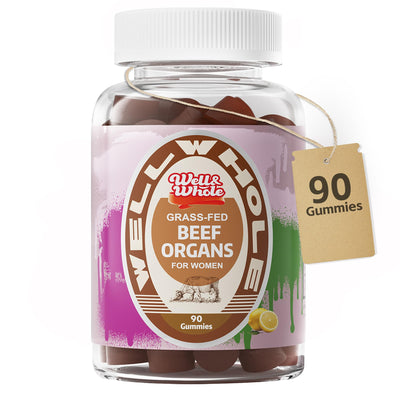
While keeping your intake optimal is straightforward through whole foods, maintaining total body wellness occasionally requires targeted support. For instance, if you are looking to support your body's natural filtration systems or overall vitality, integrating nutrient-dense options like our grass-fed beef organ gummies can provide a highly bioavailable foundation of essential vitamins and cofactors that complement a balanced daily regimen.
The Hard Ceiling: How Much Vitamin C is Too Much?

While your body is great at flushing out extra water-soluble vitamins, there is still a strict limit to how much it can handle before protest sets in. This safety boundary is known as the Tolerable Upper Intake Level (UL)—the maximum daily amount of a nutrient that is highly unlikely to cause any unpleasant side effects or adverse health issues.
For quick reference, here is the official daily hard ceiling for ascorbic acid based on age groups:
| Age Group | Tolerable Upper Intake Level (UL) |
|---|---|
| Toddlers (1–3 years) | 400 mg/day |
| Children (4–8 years) | 650 mg/day |
| Pre-teens (9–13 years) | 1,200 mg/day |
| Teens (14–18 years) | 1,800 mg/day |
| Adults (19+) | 2,000 mg/day |
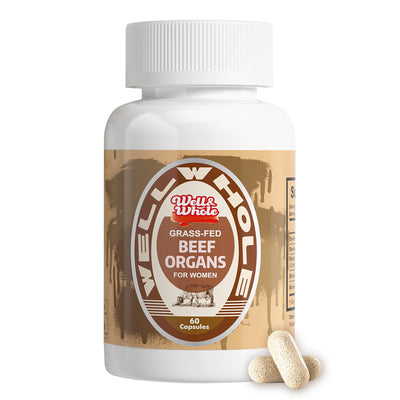
It is virtually impossible to cross that 2,000 mg adult threshold simply by eating a whole-food diet. You would have to down about 25 whole oranges in a single day to hit that mark. Instead, the real risk of overdoing it lies almost exclusively in high-dose Vitamin C supplements, mega-dose powders, and fizzy immune-support packets. To keep your overall wellness routine balanced without overloading your digestive system, it is always best to pair your daily vitamin intake with clean, nutrient-dense options like our grassfed beef organ supplement capsules for broad, whole-food nourishment.
Symptoms and Side Effects of How Much Vitamin C is Too Much
When you cross the line into mega-dosing, your body cannot absorb the extra ascorbic acid, leaving it to sit directly in your gut. This unabsorbed vitamin C draws water into the digestive tract, which frequently triggers immediate gastrointestinal side effects and overall digestive distress.
Common Gastrointestinal Issues
- Diarrhea and loose stools as the body works to quickly flush out the excess.
- Stomach cramps and abdominal bloating from localized gut irritation.
- Nausea and vomiting when high oral doses overwhelm your stomach.
- Heartburn and esophageal irritation caused by the highly acidic nature of standard supplements.
Kidney Stone Formation
Consistently consuming too much vitamin C can lead to painful renal complications. The body breaks down excess ascorbic acid into urinary oxalate, a metabolic waste product. When concentration levels spike, this oxalate binds to minerals in the kidneys, creating painful calcium oxalate kidney stones.
Nutrient Imbalances and Iron Overload Risk
Massive doses of vitamin C can disrupt how your body processes other essential nutrients, inadvertently impairing your ability to absorb copper and vitamin B-12.
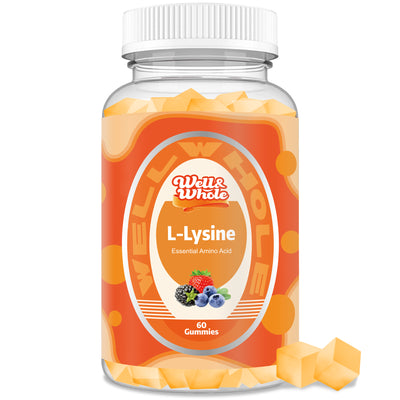
Furthermore, vitamin C significantly enhances dietary iron absorption. This poses a severe iron overload risk for individuals with conditions like hemochromatosis. While maintaining a clean supplement routine with options like our L-lysine essential amino acid supplement is safe for daily tissue support, overdoing standalone vitamins can easily throw your internal ecosystem out of balance.
Special Considerations: When to Speak to a Doctor About Vitamin C
While figuring out how much vitamin c is too much provides a helpful baseline for the general public, certain medical conditions and prescriptions require a much stricter approach. Mega-dosing ascorbic acid can pose serious health risks for specific individuals, making an individual medical consultation essential.
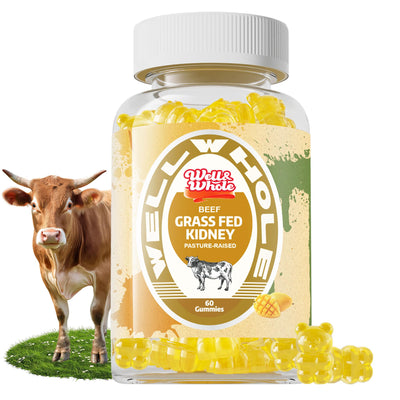
- Chronic Kidney Disease: Your kidneys filter out excess ascorbic acid. If your kidney function is compromised, processing high doses can overload your system. For those focused on renal wellness, supporting your body with targeted nutrition like grass-fed beef kidney gummies is a much safer, whole-food alternative to synthetic mega-dosing.
- G6PD Deficiency: Individuals with this genetic metabolic disorder risk hemolysis (the destruction of red blood cells) if they consume massive, unmanaged amounts of Vitamin C.
- Pregnancy: Taking extreme supplemental doses during pregnancy is strongly discouraged. It can cause the newborn to suffer from "rebound scurvy"—a sudden, severe vitamin C deficiency after birth because their body grew accustomed to abnormally high prenatal levels.
- Medication Interactions: Extreme doses can interfere with how your body processes certain prescriptions. This includes blood thinners and statins. If you are managing cardiovascular health, looking into complementary options like cholesterol support liquid drops under medical guidance is always a smarter path than self-prescribing heavy doses of synthetic vitamins.
The well&whole Approach: How to Optimize Your Vitamin C Safety
We always champion a food-first philosophy. Getting your nutrients from whole foods is the safest, most effective way to clear your daily Recommended Dietary Allowance (RDA). When you eat vitamin-rich foods, you are not just getting isolated ascorbic acid; you are also absorbing beneficial bioflavonoids and co-factors that naturally help your body regulate nutrient uptake.
To hit your daily baseline effortlessly without ever worrying about how much vitamin c is too much, load your plate with these top whole-food sources:
- Red bell peppers (One of the highest dietary sources available)
- Citrus fruits (Oranges, grapefruits, lemons, and limes)
- Strawberries
- Broccoli (Pairing a high-quality broccoli supplement with your diet can also provide great cellular support)
- Brussels sprouts
Reading Supplement Labels and Avoiding Hidden Doses
If you do choose to use Vitamin C supplements for extra immune support, smart label reading is your best defense against accidental gastrointestinal side effects. Many people accidentally trigger digestive distress because they take a standalone pill on top of a multivitamin and a daily immune-boosting fizzy drink packet. Always calculate the cumulative total of ascorbic acid across all your daily products to ensure you stay well below the Tolerable Upper Intake Level (UL).
Lately, there is a lot of buzz around liposomal Vitamin C, a newer delivery method wrapped in liposomes. While it claims to offer better gut tolerance and reduce the risk of loose stools, the hard ceilings still apply. Better absorption does not mean you can ignore safe daily limits. Check your labels, add up your sources, and rely on real food to keep your health balanced and thriving.
Frequently Asked Questions (FAQs)
Can too much Vitamin C cause digestive distress?
Yes. When you take in more ascorbic acid than your body can absorb, the excess sits in your gut. This unabsorbed Vitamin C draws water into your intestines, leading to common gastrointestinal side effects like diarrhea, stomach cramps, bloating, and nausea.
What is the absolute maximum daily limit of Vitamin C for adults?
The Tolerable Upper Intake Level (UL) for adults 19 and older is 2,000 mg per day. Consuming more than this amount significantly increases your risk of experiencing stomach discomfort and other health complications. While managing your daily nutrient intake, it is also important to support your body's natural filtering systems by exploring high-quality options like TUDCA gummies with milk thistle to help maintain overall metabolic and liver wellness.
Can you get a Vitamin C overdose from eating too many citrus fruits?
It is virtually impossible to experience a Vitamin C overdose from whole foods alone. To hit the 2,000 mg upper limit, you would need to eat around 25 whole citrus fruits in a single day. The risk of toxicity comes almost exclusively from high-dose Vitamin C supplements, powders, and fizzy drink packets.
What are the signs of taking too many Vitamin C supplements?
The earliest signs of taking too many supplements include digestive distress, such as loose stools, abdominal cramps, and heartburn. If you regularly mega-dose, you might also experience headaches or fatigue as your body struggles to process the massive nutrient imbalance.
Does excessive intake of ascorbic acid cause kidney stones?
Yes, high doses can increase your risk. Your body breaks down excess ascorbic acid into urinary oxalate, a metabolic waste product. When oxalate levels in your urine become too concentrated, they can bind to calcium and form painful calcium oxalate kidney stones.
Related supplements
Where to begin? Our Lymphatic Drainage Supplements Gummies with Echinacea Dandelion Burdock for Adults with Immune and Energy Support and Sulforaphane Broccoli Supplement Liquid Drops for Kids with Sulforaphane, Glucoraphanin, Bacopa Monnieri are a sensible place to start, and the Immune Support collection lays out the other formats side by side with Health Benefits.