
Pumpkin Seed Oil and Rosemary Oil for Hair Growth: A Natural Partnership That Works
As more people look for gentle, science‑inspired solutions to thinning hair, two natural ingredients stand out: pumpkin seed oil and rosemary oil. Used correctly, they can complement a healthy lifestyle and a balanced routine, especially when paired with high‑quality nutritional support from brands like Well&Whole. This article explores how these two oils may support hair growth, how to use them safely, and what kind of results you can realistically expect.
How Pumpkin Seed Oil May Support Hair Growth
Pumpkin seed oil has become popular in recent years, not just for cooking, but as a potential ally for people concerned about hair thinning. It is naturally rich in unsaturated fatty acids, such as linoleic and oleic acids, as well as plant compounds known as phytosterols.
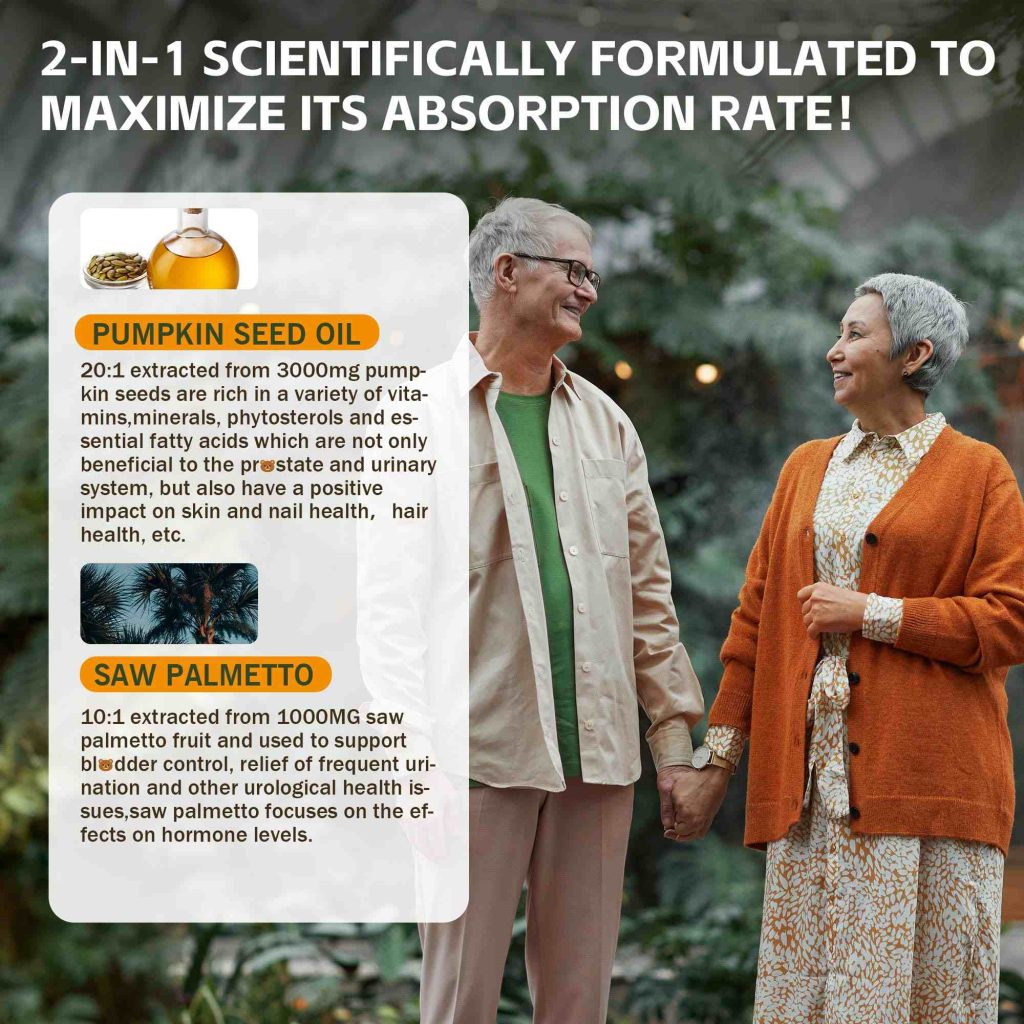
Researchers suggest that these components may help in two main ways:
- Possible support for scalp circulation and follicle health
- Potential mild inhibition of 5‑alpha reductase, the enzyme that converts testosterone into DHT, a hormone often associated with pattern hair loss
While not a medical treatment, regularly consuming pumpkin seed oil as part of a balanced diet, or applying it topically in a carrier blend, is seen by many as a gentle, holistic step in a broader hair‑care routine.
From a wellness‑trade perspective, companies like Well&Whole focus on sourcing oils that are cold‑pressed and minimally processed, because heat and harsh refining can reduce the natural content of fatty acids and antioxidants. For consumers searching for pumpkin seed oil for hair loss, this quality factor makes a real difference.
In summary, pumpkin seed oil is valued for its nutrient density and potential supportive role in scalp and follicle health. It is not a quick fix, but it can be a meaningful part of a natural hair regrowth routine and a nutritional approach to thinning hair.
Why Rosemary Oil Is a Favorite in Natural Hair Care
Rosemary oil has long been used in traditional wellness practices, especially for the scalp. Modern interest in rosemary essential oil for hair growth stems from reports that it may help:
- Stimulate microcirculation in the scalp when massaged regularly
- Provide antioxidant support, helping protect the scalp environment
- Offer a refreshing, clarifying effect that can help keep the scalp feeling clean
Some emerging studies suggest that consistent use of rosemary oil, properly diluted, might support hair density in certain types of hair thinning. While more research is needed, this has made rosemary one of the most talked‑about ingredients in the natural hair‑care space.
Safety and usage are key. Pure rosemary essential oil is potent and should never be applied directly to the scalp undiluted. A common approach is to mix a few drops into a carrier oil such as pumpkin seed oil, jojoba oil, or coconut oil. Reputable wellness brands, including Well&Whole, emphasize clear usage instructions and quality control so end users can focus on gentle, consistent care rather than worrying about purity.
To close this section, rosemary oil is best viewed as a supportive, long‑term scalp care ingredient. Used correctly and patiently, it fits well into routines focused on natural remedies for hair growth, rosemary oil for thinning hair, and essential oil scalp treatments.
The Synergy of Pumpkin Seed Oil and Rosemary Oil
On their own, each oil brings distinct potential benefits. Combined, pumpkin seed oil and rosemary oil for hair growth create a formula that targets the scalp from multiple angles.
A simple, commonly used blend might look like this:
- 1–2 tablespoons of high‑quality pumpkin seed oil (as the base)
- 3–5 drops of rosemary essential oil
- Optional: a small amount of another carrier oil to adjust texture
This mixture can be gently massaged into the scalp for a few minutes, then left on for 30–60 minutes before washing out. Some users prefer leaving a light amount on overnight once they know their skin tolerates it well.
Why this combination makes sense:
- Pumpkin seed oil provides nourishing fatty acids and phytosterols that support the scalp barrier and may help maintain a balanced environment around hair follicles.
- Rosemary oil brings stimulating and antioxidant properties that may encourage a more vibrant scalp, especially when paired with massage.
From a trade and product‑development standpoint, this duo is attractive because it unites nutritional support with aromatherapeutic benefits in one step. Brands like Well&Whole explore such combinations to meet the growing demand for clean label, naturally inspired hair care.
In conclusion, the synergy between these two oils lies in their complementary mechanisms: one nourishes, the other invigorates. This makes them a strong fit for people seeking natural hair growth oils, herbal scalp treatments, and non‑drug hair thickening options.
How to Use These Oils Safely and Effectively
Even natural ingredients require thoughtful use. To get the most from pumpkin seed oil and rosemary oil, consider the following practical guidelines:
- Patch test first
Before using any new oil blend on your scalp, apply a small amount to a discreet area of skin and wait 24 hours to check for irritation. - Dilute essential oils properly
Rosemary essential oil should be used at a low concentration. For most adults, staying under about 3% essential oil in a carrier blend is a common guideline. When in doubt, less is more. - Be consistent, not aggressive
Gentle, regular use—such as 2–4 times per week—is generally more sustainable than daily, heavy applications that may weigh down the hair or irritate the scalp. - Pair with internal support
Topical care works best when combined with adequate protein intake, micronutrients like zinc and biotin, and overall lifestyle habits that favor circulation and hormonal balance. Nutritional products from companies such as Well&Whole are designed to complement these external routines. - Know when to consult a professional
Sudden or severe hair loss, scalp pain, or shedding accompanied by other symptoms should always be evaluated by a healthcare provider.
To summarize, smart usage is about balance—reasonable dilution, steady routines, and attention to how your scalp responds. This practical approach aligns well with holistic hair growth strategies, scalp wellness routines, and natural solutions for early stage hair thinning.
Choosing Quality Oils from a Trusted Source
Not all oils are created equal. For both pumpkin seed oil and rosemary oil, quality and sourcing directly influence their effectiveness and safety.
Key points to look for:
- Cold‑pressed, minimally processed pumpkin seed oil to preserve its natural fatty acids and phytosterols
- Pure rosemary essential oil, ideally with clear botanical naming (such as Rosmarinus officinalis) and batch‑level quality checks
- Transparent labeling, including ingredient lists, origin where possible, and clear usage guidance
As a health‑focused trade company, Well&Whole pays particular attention to consistent supply chains, stable quality, and compliance with regulatory standards in target markets. This allows downstream brands and consumers to trust what is inside each bottle.
In closing, choosing reliable sources ensures you actually receive the benefits you’re seeking from pumpkin seed oil and rosemary oil. This selection process supports premium natural hair products, trusted hair growth supplements and oils, and professional‑grade scalp care formulations.
FAQs
1. How long does it take to see results when using pumpkin seed oil and rosemary oil for hair growth?
Most people who use natural oils for hair support will need at least 2–3 months of consistent use before evaluating changes, and gradual improvements may continue beyond that. Results vary widely depending on the cause of hair thinning, overall health, and how regularly the oils are used.
2. Can I use these oils if I am already on a medical treatment for hair loss?
Many people combine natural scalp oils with medical treatments, but this should be discussed with a dermatologist or healthcare provider familiar with your situation. They can help ensure that topical products like pumpkin seed oil and rosemary oil fit safely alongside medications or clinical therapies.
3. Are pumpkin seed oil and rosemary oil suitable for all hair types?
Generally, these oils can be adapted for most hair types, but the amount and frequency may differ. Fine or oily hair might benefit from lighter, less frequent use, while thicker or drier hair can often tolerate richer applications. Always start with a small amount, observe how your scalp and hair respond, and adjust based on your comfort and results.