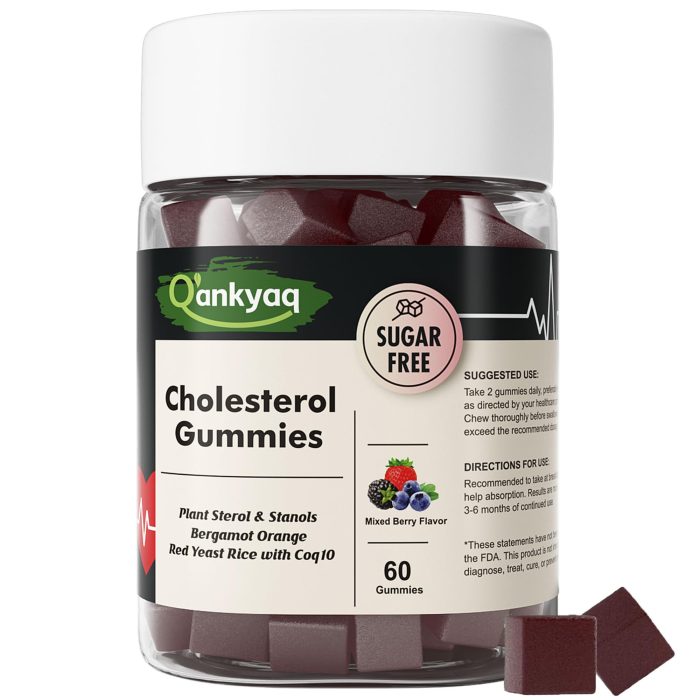

As more people look for natural ways to support healthy cholesterol levels and overall heart function, the combination of red yeast rice and CoQ10 has gained serious attention. Many healthcare professionals now discuss this pairing as a practical option for adults who want targeted cardiovascular support without relying solely on conventional solutions. At Well&Whole, we see this trend every day in the supplement trade, especially from customers who want research-informed products that fit into a long-term wellness plan.
This article explains what red yeast rice and CoQ10 are, why they’re often used together, and how they may support heart health, energy production, and general wellbeing. It’s designed for readers who want clear, straightforward information before choosing a red yeast rice with CoQ10 supplement.
What Is Red Yeast Rice and Why Do People Use It?
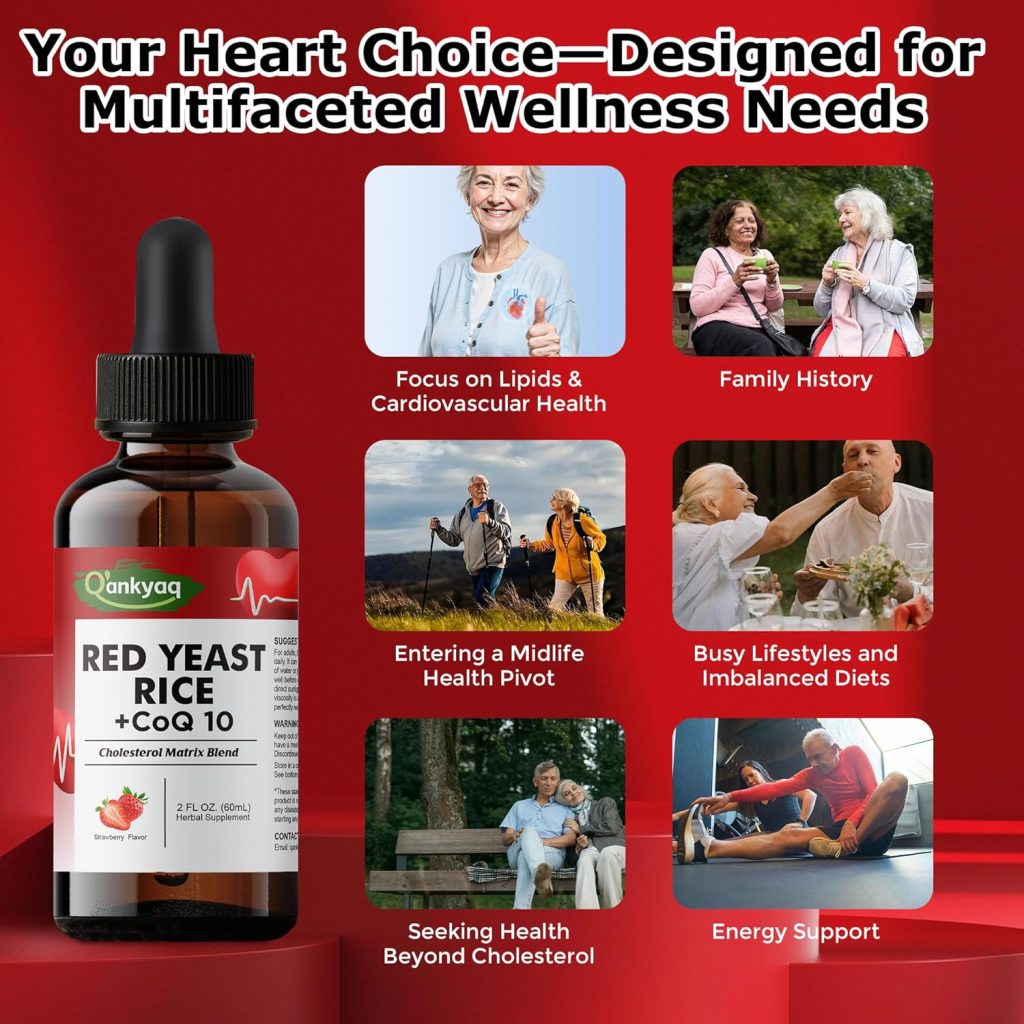
Red yeast rice is a traditional fermented rice product that has been used for centuries in parts of Asia. During fermentation, a specific yeast (Monascus purpureus) grows on the rice and produces active compounds known as monacolins. Among these, monacolin K is the best known, and it’s the reason many people associate red yeast rice with healthy cholesterol support.
When used in dietary supplements, red yeast rice is typically standardized and carefully processed to help:
- Support healthy LDL and total cholesterol levels already within the normal range
- Maintain balanced lipid profiles as part of a heart‑conscious lifestyle
- Complement diet and exercise for people who are monitoring cardiovascular health
Unlike a single synthetic compound, red yeast rice is a complex fermented ingredient that also contains other naturally occurring substances such as plant sterols and isoflavones. This makes it attractive to consumers who prefer a traditional, food‑based approach to heart support.
In the supplement trade, we’ve noticed that long‑tail search queries such as “natural supplements to lower cholesterol without statins” and “herbal support for high LDL levels” often lead people toward red yeast rice products. That demand is precisely why formulations featuring red yeast rice with CoQ10 for heart health are now common in the Well&Whole catalog.
In summary, red yeast rice is valued because it offers a natural, fermented source of compounds that help support healthy cholesterol levels already in the normal range, making it a logical centerpiece for a heart‑focused supplement stack that many consumers find when searching for “natural cholesterol support supplement” online.
Why CoQ10 Matters for Heart and Energy
Coenzyme Q10, or CoQ10, is a vitamin‑like nutrient found in virtually every cell of the body. It plays a crucial role in the mitochondria, where it helps convert food into usable cellular energy (ATP). Organs that are constantly working—especially the heart—depend on sufficient CoQ10 to function efficiently.
There are two main reasons people look for CoQ10 in a supplement:
- It supports cellular energy production, which is essential for stamina and daily performance
- It acts as an antioxidant, helping protect cells from oxidative stress caused by free radicals
As people age, natural CoQ10 levels tend to decline. Some medications and lifestyle factors may also affect how much CoQ10 is available in the body. That’s why many adults, particularly those focused on cardiovascular wellness, choose to supplement with CoQ10 as part of a broader healthy lifestyle, including a balanced diet and regular physical activity.
From an online search perspective, consumers often type queries like “best CoQ10 for energy and heart health” or “CoQ10 supplement benefits for fatigue” before deciding which product to buy. At Well&Whole, we consistently see that CoQ10‑containing formulas rank high among repeat purchases, especially in regions where cardiovascular concerns are top of mind.
To put it simply, CoQ10 is important because it supports the body’s energy factories and offers antioxidant protection, which is why “CoQ10 for heart health and energy” remains one of the most searched long‑tail supplement terms in the category.
The Synergy: Benefits of Combining Red Yeast Rice with CoQ10
While red yeast rice and CoQ10 each have their own roles, they are often used together in the same formula—and with good reason. Many consumers and practitioners believe that this combination offers more balanced support for heart health than either ingredient alone.
Key potential benefits of combining red yeast rice with CoQ10 include:
- Comprehensive heart support: Red yeast rice focuses on cholesterol balance, while CoQ10 supports a healthy, energetic heart muscle. Together, they address both lipid values and the heart’s energy needs.
- Support for overall cardiovascular function: In addition to maintaining healthy cholesterol levels, CoQ10’s antioxidant properties help support blood vessel health and normal oxidative balance in the cardiovascular system.
- Better tolerance for some users: Because CoQ10 supports energy production and muscle function, some individuals feel more comfortable using red yeast rice when CoQ10 is included in the formula.
For a trade company like Well&Whole, this synergy is one of the reasons the best red yeast rice with CoQ10 supplements remain a core part of our product portfolio. Customers frequently ask for a single capsule that can:
- Support healthy cholesterol already in the normal range
- Promote heart energy and stamina
- Provide antioxidant protection for cardiovascular tissues
From a search behavior standpoint, long‑tail phrases such as “benefits of taking red yeast rice with CoQ10 together” and “red yeast rice CoQ10 supplement for cholesterol and energy” signal that consumers are not only aware of each ingredient, but are actively looking for the combined effect.
In short, using red yeast rice together with CoQ10 offers a more rounded approach to cardiovascular support, aligning well with what many consumers mean when they search online for “natural heart health supplement with red yeast rice and CoQ10.”
How to Choose a Quality Red Yeast Rice with CoQ10 Supplement
Not all supplements are created equal. If you’re considering a red yeast rice with CoQ10 formula, it’s worth paying attention to quality, testing, and formulation details rather than choosing purely on price.
When evaluating a product, look for the following:
- Clear sourcing and manufacturing information: Reputable brands disclose where ingredients come from and how products are made. At Well&Whole, for example, we prioritize partners who follow strict manufacturing standards and batch‑level testing.
- Standardized red yeast rice: Look for products that specify the amount of active components per serving and are tested to avoid unwanted contaminants. This helps ensure more consistent results.
- Appropriate CoQ10 dosage: A meaningful amount of CoQ10 per dose is important if the goal is to support heart energy and antioxidant status. Some people prefer ubiquinone, while others choose ubiquinol; the key is a clinically relevant dose.
- Third‑party testing and certifications: Independent testing for purity, potency, and safety is a strong sign of a responsible manufacturer.
In the global supplement trade, online buyers increasingly search phrases like “non GMO red yeast rice with CoQ10” and “third party tested red yeast rice supplement” to identify brands they can trust. Addressing these concerns upfront helps build long‑term customer loyalty.
To conclude this section, choosing a high‑quality red yeast rice with CoQ10 product means focusing on standardization, purity, and transparent manufacturing—exactly what most health‑conscious buyers expect when they look up “trusted red yeast rice CoQ10 brand” on search engines.
Practical Use, Safety Considerations, and When to Talk to a Professional
Even with natural ingredients, thoughtful use matters. Red yeast rice with CoQ10 is not a one‑size‑fits‑all solution, and it’s important to consider your personal health situation before adding any new supplement.
A few practical guidelines:
- Consult your healthcare provider: Anyone taking prescription medications—especially for cholesterol, blood pressure, liver conditions, or other chronic issues—should talk to a professional before using red yeast rice products.
- Follow label directions: More is not always better. Stick to the suggested serving unless your practitioner advises otherwise, and allow time to evaluate how you respond.
- Monitor how you feel: Pay attention to your overall energy, muscle comfort, digestion, and sleep patterns. If you notice anything unusual, stop use and seek medical advice.
- Lifestyle still matters: No supplement can replace a balanced diet, regular exercise, and adequate sleep. Red yeast rice with CoQ10 works best when it complements—not replaces—a healthy lifestyle.
As a trade company, Well&Whole works closely with distributors and practitioners who emphasize these points to their clients. Many of them report that when customers search “is red yeast rice with CoQ10 safe” or “how to take red yeast rice and CoQ10 together”, they are usually ready to make a purchase but still need reassurance about responsible use.
Ultimately, the safest way to use a red yeast rice and CoQ10 supplement is to view it as one part of a comprehensive heart health strategy, guided by professional advice and supported by sustainable lifestyle habits—exactly what informed users look for when they type long‑tail phrases such as “how to use red yeast rice with CoQ10 for long term heart health.”
FAQ
- How long does it take to notice the benefits of red yeast rice with CoQ10?
Most people use these supplements consistently for several weeks or months before assessing results. Cholesterol changes are usually evaluated with lab tests over time, while CoQ10’s impact on energy and comfort may be noticed earlier. Always work with your healthcare provider to monitor progress. - Can I take red yeast rice with CoQ10 every day?
Many formulas are designed for daily use, but individual needs vary. Follow the product instructions and ask your healthcare professional if daily use is appropriate for your situation, especially if you already take medications or other heart‑related supplements. - Who should avoid red yeast rice supplements?
Red yeast rice may not be suitable for pregnant or breastfeeding women, those with active liver disease, or people taking certain prescription medications. If you have any medical condition or take cholesterol‑lowering drugs, talk with a qualified healthcare provider before using a red yeast rice with CoQ10 supplement.