

Pumpkin seed oil has quietly become one of the most talked‑about natural options for supporting thicker, fuller hair. For people who want to avoid aggressive treatments and look for science‑backed, gentle solutions, this cold‑pressed oil is a compelling choice. As a nutrition‑focused trade company, Well&Whole sees more customers asking how to actually use pumpkin seed oil for hair growth in a practical, sustainable way.
In this guide, you’ll learn what makes pumpkin seed oil special, how to use it correctly on your scalp and in your routine, and how to combine it with other healthy habits to support long‑term hair density. Along the way, we’ll highlight key long‑tail phrases like best way to use pumpkin seed oil for hair growth, pumpkin seed oil for thinning hair, and how to apply pumpkin seed oil to scalp so that you can easily find the information you need.
Why Pumpkin Seed Oil Supports Hair Growth From The Inside Out
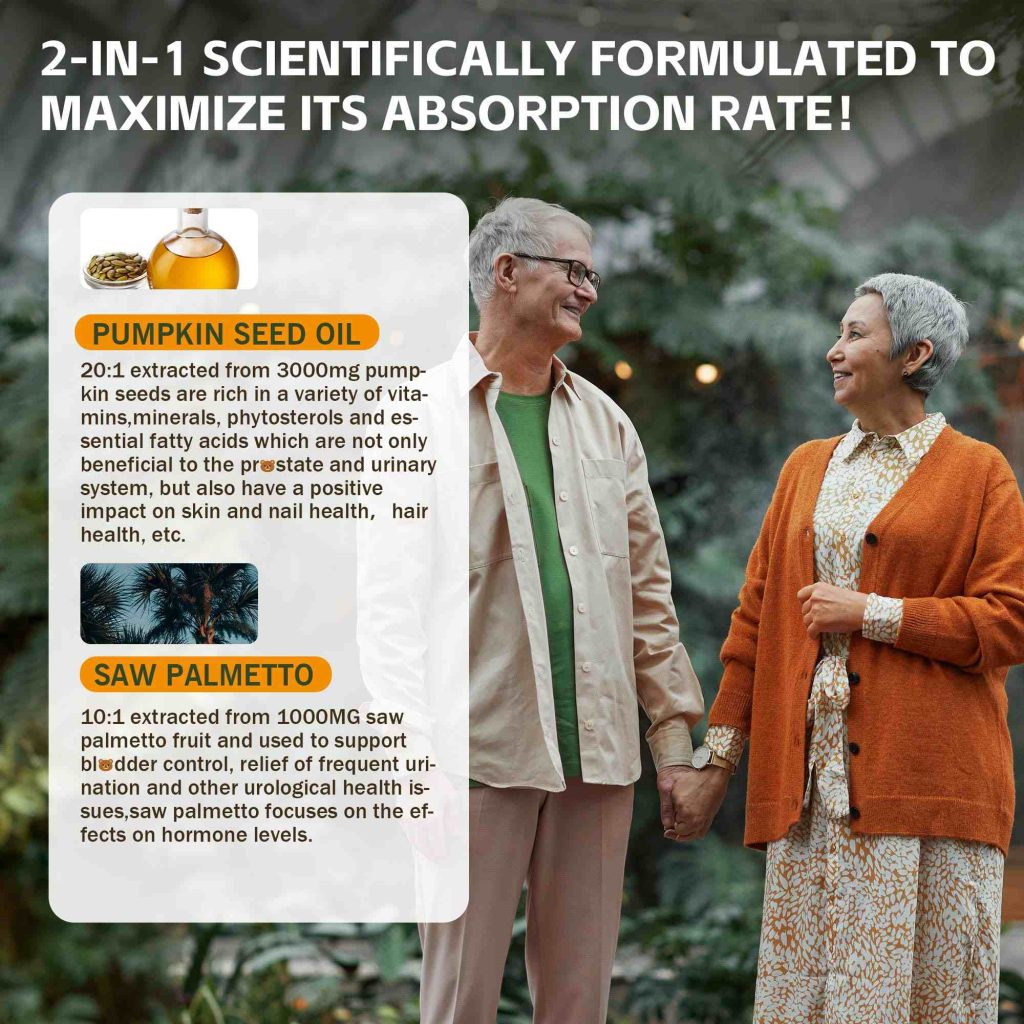
Pumpkin seed oil is valued not just because it is “natural,” but because of its rich profile of fatty acids, vitamin E, phytosterols, and antioxidants that may support a healthier scalp environment.
- Potential DHT‑blocking effect: Some research suggests that compounds in pumpkin seed oil may help modulate DHT (dihydrotestosterone), a hormone associated with pattern hair loss. While it isn’t a drug and results vary, using pumpkin seed oil for hair loss prevention has become popular among people who prefer a gentler approach.
- Nourishing fatty acids: The oil is high in linoleic and oleic acids, which can help support the scalp barrier and reduce dryness and flakiness. A balanced, hydrated scalp is less prone to irritation that may contribute to shedding.
- Antioxidant support: Vitamin E and other antioxidants help fight oxidative stress – one of many factors that can impact the hair follicle environment over time.
For a trading company like Well&Whole, which focuses on high‑quality health and nutrition products, pumpkin seed oil fits naturally into a broader approach that includes diet, lifestyle, and thoughtful supplementation rather than a quick fix.
In short, pumpkin seed oil is not a magic cure, but it can be a valuable part of a holistic routine for people searching for the best natural oil for hair growth and thickness, especially if they are consistent over several months.
How To Apply Pumpkin Seed Oil To Your Scalp For Growth
Topical use is the most common starting point for people curious about pumpkin seed oil. If you’re wondering how to use pumpkin seed oil for hair growth in your day‑to‑day routine, start with a simple, consistent application method.
- Choose a quality oil
Look for cold‑pressed, unrefined pumpkin seed oil, ideally in dark glass bottles to protect it from light. A clean ingredient list – ideally 100% pumpkin seed oil – is crucial. Some users prefer to pair topical use with dietary supplements supplied by companies like Well&Whole for additional nutritional support. - Do a patch test first
Apply a small amount of the oil to a patch of skin behind the ear or on the inner arm. Wait 24 hours to check for redness, itching, or irritation. Even natural oils can cause reactions in some individuals. - Prepare your scalp
For most people, applying the oil to a dry scalp works best. Part your hair into sections so the oil reaches the skin, not just the strands. This is especially important if you’re targeting pumpkin seed oil for thinning hair or receding areas around the hairline or crown. - Massage gently but thoroughly
Place a few drops of oil on your fingertips and work it directly into the scalp. Use small circular motions for 5–10 minutes. This not only distributes the oil but also supports circulation, which may help deliver more nutrients to hair follicles. Avoid scratching with your nails, as that can irritate the skin. - Leave it on long enough to work
Many people leave pumpkin seed oil on their scalp for at least 30–60 minutes; others prefer an overnight treatment with a soft towel or cap to protect the pillow. Start with shorter sessions and see how your skin responds.
By following this simple method, you create a routine that fits into your week and answers the practical question of how to apply pumpkin seed oil to scalp for hair loss without making your hair care overly complicated.
Building A Weekly Routine With Pumpkin Seed Oil
The biggest mistake many people make is using pumpkin seed oil once or twice and expecting dramatic results. Hair growth is a slow, cyclical process. To get the most from pumpkin seed oil for hair regrowth, focus on consistency and realistic expectations.
- Start with 2–3 applications per week
Apply the oil to your scalp on non‑wash days or the night before you shampoo. If your scalp is very dry, you might tolerate more frequent use. If you notice heaviness or buildup, scale back. - Use the right amount
You don’t need to soak your scalp. A few dropperfuls are often enough, depending on how much hair you have. Using too much oil can make rinse‑out difficult and leave hair greasy, which can discourage regular use. - Follow with a gentle shampoo
After each treatment, wash with a mild, sulfate‑free shampoo to remove excess oil without stripping the scalp. This is especially useful if you’re combining pumpkin seed oil scalp treatment for dandruff and hair growth – harsh cleansers may undo some of the benefits. - Give it time – and track changes
Notice subtle indicators like reduced shedding in the shower, less itchiness, or the appearance of shorter “baby hairs” around your hairline. These small signs often appear before major visible changes. Taking photos every 4–6 weeks in similar lighting can help you evaluate whether your pumpkin seed oil hair growth routine is helping.
A structured weekly plan makes pumpkin seed oil easier to stick with, turning it into a long‑term habit rather than a short‑term experiment.
Combining Topical Pumpkin Seed Oil With Internal Support
While topical use is helpful, true hair vitality reflects what is happening inside the body. Many individuals find better results when they combine scalp care with internal nutrition, guided by evidence‑based products from brands like Well&Whole.
- Dietary use of pumpkin seed oil
Some people add small amounts of food‑grade pumpkin seed oil to salads or use it as a finishing oil. This provides beneficial fats and plant compounds that support overall wellness. Always follow serving suggestions and remember that oil is calorie‑dense. - Balanced nutrients for hair
Hair growth depends on adequate protein, iron, zinc, biotin, and other vitamins. A well‑structured supplement regime from a reputable supplier can help fill gaps if your diet is inconsistent. Pumpkin seed oil is a complement, not a substitute, for a balanced intake. - Lifestyle factors still matter
Stress, poor sleep, and smoking can all affect hair quality over time. Even the best pumpkin seed oil hair growth treatment will be limited if these underlying issues are not addressed.
By combining topical pumpkin seed oil with nutritional and lifestyle support, you build a more complete strategy that aligns with holistic hair growth with pumpkin seed oil rather than relying on a single product.
Practical Tips, Safety, And When To Adjust Your Approach
As with any wellness product, smart use and realistic expectations are essential. While pumpkin seed oil is generally well tolerated, there are a few practical points to keep in mind.
- Watch for irritation or clogged pores
If your scalp becomes very oily, itchy, or develops breakouts, reduce the frequency or amount of oil you apply. Some scalps are more sensitive, especially if you already deal with seborrheic dermatitis or similar issues. - Use it alongside, not instead of, medical advice
If you have rapid, unexplained hair loss, visible inflammation, or scarring on the scalp, consult a dermatologist or healthcare provider. Pumpkin seed oil can complement medical treatments, but it is not a replacement for professional care. - Check product quality and storage
Keep your pumpkin seed oil tightly closed and away from heat and direct light to protect its delicate components. Rancid oils can irritate the skin and lose potential benefits.
As a health‑oriented trading company, Well&Whole emphasizes that every individual responds differently. Some users see noticeable improvements when using pumpkin seed oil for hair regrowth before and after over several months, while others experience only subtle changes. The key is to use the oil thoughtfully, pair it with broader wellness habits, and be patient with the natural pace of hair growth.
Used correctly, pumpkin seed oil can be a low‑risk, potentially helpful part of a broader strategy for natural hair growth remedies for thinning hair that respects your scalp, your health, and your long‑term goals.
FAQ
- How long does it take to see results from pumpkin seed oil for hair growth?
Most people need at least 8–12 weeks of consistent use to notice early changes like less shedding or new short hairs. More visible improvements usually take several months, as hair growth is a slow cycle. - Can I use pumpkin seed oil on my hair every day?
You can, but daily use is not always necessary. Many people do well with 2–3 applications per week. If your scalp feels greasy or irritated, reduce the frequency or use a smaller amount. - Is pumpkin seed oil enough on its own to stop hair loss?
Pumpkin seed oil can support a healthier scalp environment and may help some people with mild thinning, but it is not a guaranteed cure. For significant or rapidly progressing hair loss, combine it with good nutrition, lifestyle changes, and professional medical guidance when needed.