
How to Use Pumpkin Seed Oil for Hair Growth Effectively
For many people, thinning hair and a receding hairline are more than a cosmetic concern—they affect confidence, routine, and even social life. Among the natural options that keep coming up in conversations with customers of Well&Whole, pumpkin seed oil stands out as a simple, nutrient-dense choice that fits easily into a modern wellness routine. Understanding how to use pumpkin seed oil for hair growth—and how to set realistic expectations—is the first step toward making it work for you.
Why Pumpkin Seed Oil Supports Healthy Hair
Pumpkin seed oil is rich in plant compounds and nutrients that support the scalp and hair follicles from several angles. It contains phytosterols, healthy fats, vitamin E, zinc, and antioxidants, all of which are involved in maintaining a healthy scalp environment and balanced hair growth cycle.
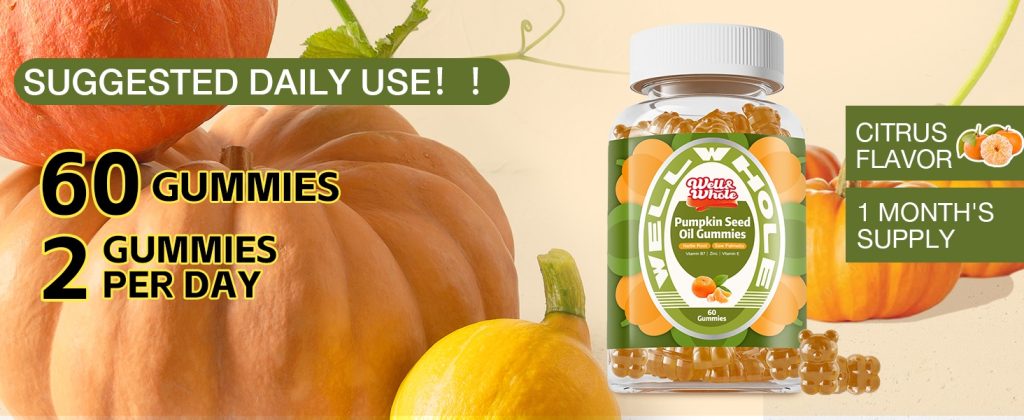
Research suggests that the phytosterols in pumpkin seed oil may help block the conversion of testosterone to DHT (dihydrotestosterone), a hormone linked to pattern hair loss in both men and women. While pumpkin seed oil is not a miracle cure, many people find it a gentle, sustainable part of a broader hair growth routine.
From a wellness perspective, this is what pumpkin seed oil can offer:
- Scalp support: The oil helps keep the scalp moisturized and less prone to flakiness or irritation.
- Stronger strands: The combination of fatty acids and vitamin E may help reduce breakage and dryness.
- Internal balance: When used as a dietary supplement, pumpkin seed oil can support general nutritional status, which indirectly affects hair.
In other words, pumpkin seed oil works best when you treat it as a supportive, long-term strategy rather than a quick fix. This is especially true if you are dealing with gradual hair thinning or early stage male pattern baldness.
Long-tail keywords: natural pumpkin seed oil for hair growth, pumpkin seed oil benefits for thinning hair, does pumpkin seed oil work for hair loss
How to Apply Pumpkin Seed Oil Topically
Topical use—applying pumpkin seed oil directly to the scalp—is one of the easiest and most popular methods. It allows the oil to work where you need it most: around the hair follicles.
Step-by-step topical routine:
- Choose a high-quality oil
Look for cold-pressed, unrefined pumpkin seed oil from a reputable brand. At Well&Whole, for instance, we focus on maintaining the natural profile of the oil by minimizing heat and processing. This helps preserve the delicate fatty acids and phytosterols that support scalp health. - Start with a clean scalp
For best results, apply pumpkin seed oil to a clean, dry or slightly damp scalp. If you use a lot of styling products, consider a gentle clarifying wash once a week to prevent buildup that might block hair follicles. - Use a small amount and massage
Place a few drops of pumpkin seed oil on your fingertips and gently massage it into areas of thinning or the entire scalp. A 5–10 minute scalp massage not only helps distribute the oil but can also stimulate local circulation, which is beneficial for follicle health. - Leave it on long enough to work
You can leave the oil on for at least 30 minutes, or even overnight if your skin tolerates it. To protect your pillow, use a soft towel or a disposable shower cap. - Rinse and wash as needed
Wash your hair with a mild shampoo to remove excess oil. People with dry scalps may use this routine 2–3 times per week, while those with oilier hair might prefer once or twice weekly.
Be patient. Visible changes in hair thickness or density can take 8–12 weeks or more, as the hair cycle takes time to respond. Track your results with monthly photos rather than daily mirror checks.
Long-tail keywords: how to use pumpkin seed oil on scalp, pumpkin seed oil hair massage routine, overnight pumpkin seed oil treatment for hair
Using Pumpkin Seed Oil Orally for Hair and Overall Wellness
Beyond topical application, many people choose to take pumpkin seed oil orally as part of their daily supplement plan. As a trading company focused on health products, Well&Whole has seen growing interest from customers who prefer a combined topical-and-oral approach.
Ways to include pumpkin seed oil in your diet:
- Softgel supplements:
This is the most convenient option if you want a consistent daily dose. Follow the serving size on the product label or your health practitioner’s advice. Many hair-conscious consumers take pumpkin seed oil softgels alongside other nutrients like biotin or zinc. - Liquid oil in food:
If you use culinary pumpkin seed oil, drizzle it over salads, add it to cooled soups, or mix it into yogurt and smoothies. Avoid high-heat cooking—excessive heat can damage the delicate fats that make the oil beneficial. - Combination strategy:
Some people apply pumpkin seed oil to the scalp while also taking it by mouth. The idea is to support the hair both locally and from within, which fits naturally into a holistic hair wellness routine.
As with any supplement, consistency matters more than intensity. A moderate daily intake over several months often makes more sense than a short, high-dose trial. If you are on medications, have a hormonal condition, or are pregnant or breastfeeding, always discuss new supplements with a healthcare professional first.
At Well&Whole, we see pumpkin seed oil as part of a broader lifestyle strategy that includes good nutrition, stress management, and gentle hair care. This perspective helps you avoid relying on a single ingredient and instead build a balanced, long-term plan for healthy hair.
Long-tail keywords: pumpkin seed oil supplement for hair growth, how much pumpkin seed oil to take for hair, combining pumpkin seed oil with other hair growth vitamins
How to Combine Pumpkin Seed Oil with a Complete Hair Routine
Pumpkin seed oil is most effective when it fits inside a structured, realistic hair care routine. Rather than switching products every week, build a simple plan and stick to it.
Practical ways to integrate pumpkin seed oil:
- Pair with gentle products:
Use sulfate-free shampoos and conditioners to avoid stripping the scalp. Harsh detergents and frequent heat styling often do more harm than good, especially when you’re trying to encourage regrowth. - Avoid tight hairstyles and harsh treatments:
Tight ponytails, frequent bleaching, or aggressive straightening treatments can damage the hair shaft and strain the follicles. Pumpkin seed oil can help support recovery, but it cannot fully offset ongoing mechanical damage. - Layer with other natural ingredients:
Some people combine pumpkin seed oil with rosemary essential oil, castor oil, or aloe vera gel in their scalp care routine. If you do this, introduce one change at a time and always patch-test first to avoid irritation. - Track progress and adjust:
Keep a simple log of when you apply the oil and any changes you notice. If your scalp becomes greasy or irritated, reduce the frequency or amount. If you’re not seeing any changes after 4–6 months, consider consulting a dermatologist or trichologist to rule out underlying conditions.
An integrated routine that includes topical pumpkin seed oil, oral supplementation, balanced nutrition, and gentle styling habits tends to deliver the best long-term results. This aligns with the Well&Whole approach: we encourage customers to view each product as one piece of a broader wellness picture, not a standalone solution.
Long-tail keywords: best way to use pumpkin seed oil for hair growth, natural hair regrowth routine with pumpkin seed oil, combining pumpkin seed oil with other hair loss treatments
Setting Realistic Expectations and Safety Tips
Even with promising research and positive user experiences, it’s important to stay realistic about what pumpkin seed oil can and cannot do.
You may be a good candidate for pumpkin seed oil hair support if:
- You are in the early stages of thinning or noticing increased shedding.
- You prefer natural, low-risk approaches before moving to aggressive treatments.
- You are willing to commit to consistent use for several months.
On the other hand, if there is extensive scarring on the scalp, long-term bald patches, or a strong genetic component, pumpkin seed oil alone may only offer modest cosmetic improvements. It can still support scalp health, but professional evaluation is useful to understand your options clearly.
Safety considerations:
- Pumpkin seed oil is generally well tolerated when used on the scalp or taken orally in typical supplement doses.
- People with known seed allergies should proceed cautiously and consult a healthcare professional.
- If you notice redness, itching, or burning after topical use, wash it off and discontinue until you speak with a professional.
- Supplements are not meant to replace a balanced diet or medical treatment, especially in cases of severe hair loss linked to hormonal or autoimmune issues.
When you approach pumpkin seed oil with patience, realistic expectations, and a focus on overall wellness, it can become a valuable part of a thoughtful hair growth plan. As a health-focused trading company, Well&Whole supports this balanced perspective, helping you choose products that work in harmony with your lifestyle rather than promising overnight transformation.
Long-tail keywords: realistic results from pumpkin seed oil for hair, is pumpkin seed oil safe for hair growth, how long does pumpkin seed oil take to work for hair
FAQ
- How long does it take to see results from pumpkin seed oil for hair growth?
Most people need at least 8–12 weeks of consistent use before noticing subtle changes in thickness or reduced shedding. Because hair growth is slow, plan to evaluate results over several months rather than weeks. - Can I use pumpkin seed oil on my hair every day?
You can apply a small amount daily to very dry scalps, but many people do well with 2–3 topical treatments per week to avoid buildup. Adjust the frequency based on your hair type, scalp sensitivity, and how easily you can wash out the oil. - Should I choose topical pumpkin seed oil or supplements for hair loss?
Both approaches have benefits. Topical pumpkin seed oil targets the scalp directly, while oral supplements support overall nutrient intake and internal balance. Many people combine both methods for a more comprehensive hair wellness strategy, ideally with guidance from a healthcare or hair-care professional.