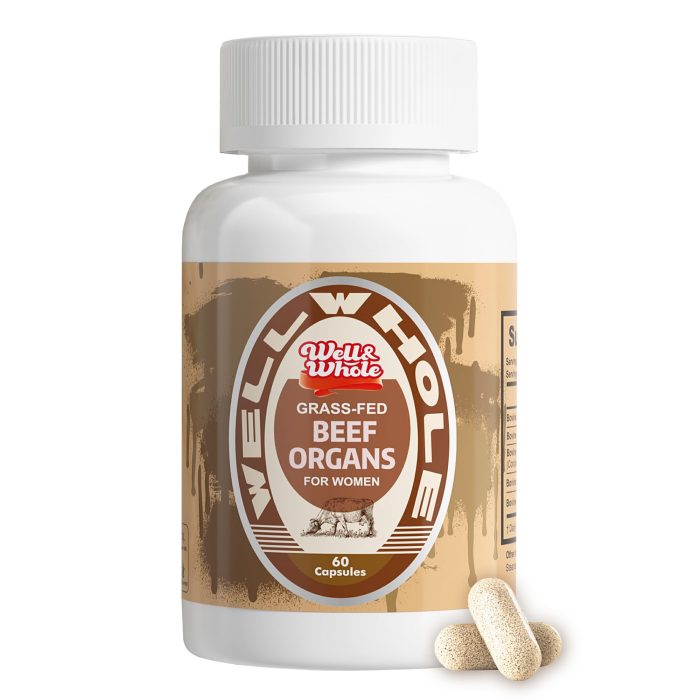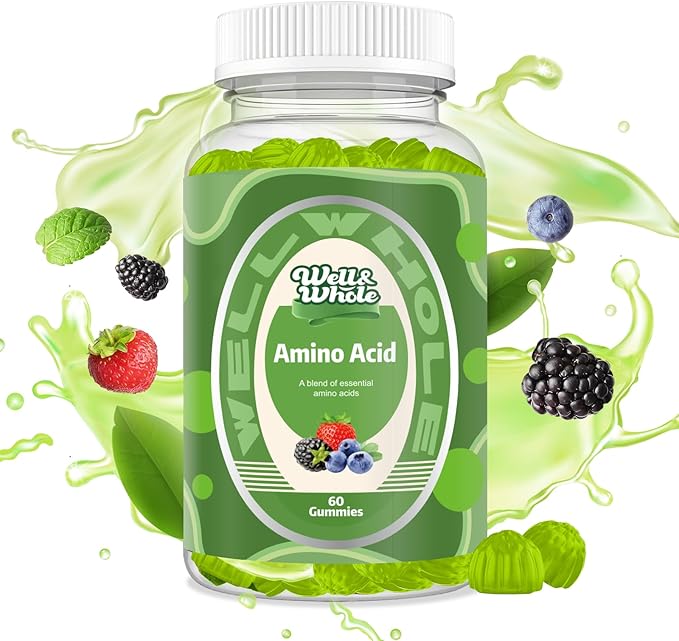

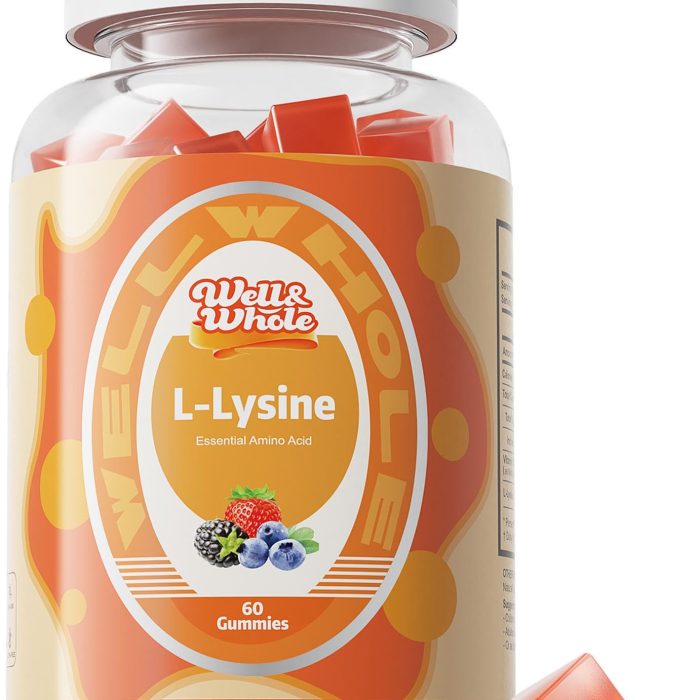
As more people look for gentle, nutrition‑based ways to support hair health, oral pumpkin seed oil for hair growth has become a phrase that shows up again and again in search bars and ingredient lists. Instead of relying only on harsh topicals or aggressive treatments, many consumers now ask a simple question: can what I swallow be just as important as what I apply?
At Well&Whole, a health‑supplement trade company focused on science‑backed ingredients, we see this interest first‑hand. Below is a clear, grounded look at how oral pumpkin seed oil fits into a modern hair‑care routine, what the research suggests, and how to use it wisely as part of a broader wellness strategy.
How Pumpkin Seed Oil May Support Hair Growth
Pumpkin seed oil is naturally rich in unsaturated fatty acids, vitamin E, and plant sterols. These nutrients work together in several ways that may support hair strength and scalp comfort from the inside out.
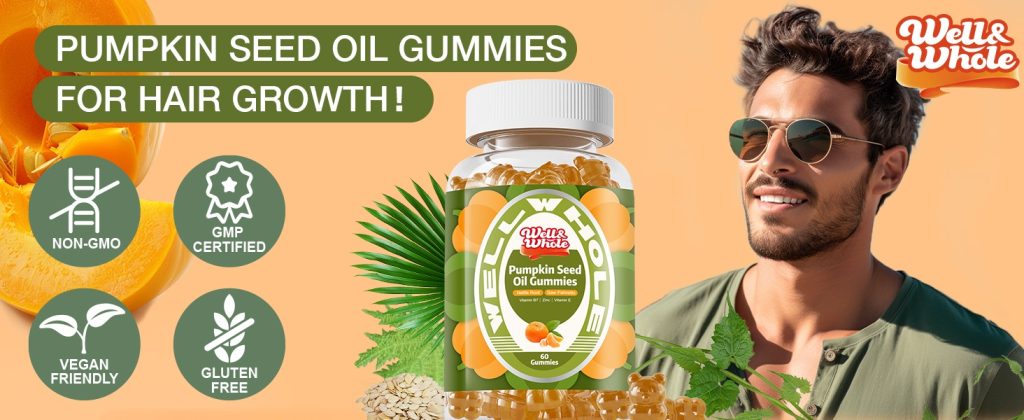
Researchers believe the key mechanisms include:
- Hormonal modulation: Pumpkin seed oil contains phytosterols that may gently influence the enzyme 5‑alpha‑reductase, which is involved in converting testosterone to DHT, a hormone often linked to certain types of hair thinning. While this doesn’t turn pumpkin seed oil into a drug, it helps explain why many people research natural DHT blockers for hair growth.
- Antioxidant support: Vitamin E and other antioxidants in the oil help fight oxidative stress, which can affect both scalp skin and hair follicles over time.
- Lipid nourishment: The oil’s essential fatty acids help support the skin barrier, which includes the scalp. A better‑balanced scalp environment can promote a healthier setting for hair.
Taken together, these actions make oral pumpkin seed oil an appealing option for those seeking a nutritional hair loss supplement rather than relying only on topical lotions or pharmaceutical approaches. While individual results vary, and no single supplement can guarantee regrowth, many consumers use pumpkin seed oil to support overall hair density, scalp comfort, and shine as part of a broader routine.
In short, oral pumpkin seed oil is best viewed as a supportive, nutrition‑based ally—not a magic cure. For people searching terms like pumpkin seed oil capsules for hair regrowth or natural supplements for thinning hair, it sits at the intersection of traditional use and emerging science.
Internal Nutrition vs. Topical Hair Products
Most hair‑care routines start with shampoos, conditioners, and serums. These deliver quick cosmetic benefits, but they work mainly on the surface. By contrast, oral pumpkin seed oil works from the inside, feeding the body nutrients that may influence hair over weeks and months rather than days.
Some key differences:
- Topicals act on the hair shaft and outer scalp. They can improve shine or reduce breakage but may not meaningfully influence the follicle’s internal growth cycle.
- Oral supplements enter the bloodstream and can deliver lasting nutritional building blocks that hair cells require during growth phases.
This doesn’t mean you must choose one or the other. In practice, many people combine:
- A gentle, scalp‑friendly shampoo
- A simple styling routine to avoid breakage
- A daily serving of oral pumpkin seed oil, sometimes alongside other nutrients such as biotin, zinc, or marine collagen
From a trade‑company perspective, we see a consistent pattern: customers who treat hair care as an inside‑and‑outside process tend to be more patient, and they usually set more realistic expectations about what supplements can do.
The takeaway: topical care improves appearance, while internal nutrition builds the foundation. When shoppers search for best oral supplements for female hair thinning or natural hair growth vitamins for men, they’re often looking for that deeper foundation, where pumpkin seed oil can play a central role.
How To Take Oral Pumpkin Seed Oil Safely And Effectively
If you’re considering adding pumpkin seed oil to your routine, it helps to approach it the same way you would any structured wellness plan: with clarity, consistency, and realistic goals.
Typical forms and usage
- Softgel capsules: The most common and convenient form, making it easy to track daily intake.
- Liquid oil: Some people prefer to drizzle it over salads or mix into smoothies, allowing them to incorporate it into regular meals.
While there is no one universal dose for hair support, many products fall within a moderate daily range. It’s important to follow the instructions on the label and, ideally, consult a healthcare professional—especially if you are taking medications or have a medical condition.
Practical tips for better results
- Be consistent: Hair growth is slow. Any nutritional support, including pumpkin seed oil, may take several months before you can judge its impact.
- Stack with a balanced diet: Oral pumpkin seed oil works best when the rest of your diet is not lacking in protein, iron, or key vitamins that underpin hair health.
- Monitor your response: Some people use progress photos or simple hair‑density checks to assess subtle changes over time.
For brands and distributors, these usage patterns are valuable: they shape product formats, serving sizes, and how we communicate benefits without over‑promising. When consumers search how long to take pumpkin seed oil for hair growth or best time of day to take hair growth supplements, they’re essentially asking how to build a habit they can sustain.
In essence, safe and steady use of oral pumpkin seed oil—combined with thoughtful lifestyle choices—offers the best path toward supporting visibly stronger, fuller‑looking hair.
Why Trade Brands Like Well&Whole Focus On Pumpkin Seed Oil
As a health‑supplement trade company, Well&Whole evaluates ingredients based on three pillars: scientific rationale, consumer demand, and quality of sourcing. Pumpkin seed oil scores strongly on each.
Why this ingredient fits modern hair‑care needs
- It aligns with the trend toward plant‑based, non‑pharmaceutical solutions.
- It can be positioned respectfully as supportive nutrition rather than as a guaranteed cure.
- It fits well with complementary hair‑support nutrients in multi‑ingredient formulas.
At Well&Whole, we pay particular attention to:
- Oil quality and standardization: Ensuring consistent fatty acid profiles and monitoring for contaminants.
- Sourcing and processing: Favoring carefully pressed oils that maintain stability and avoid unnecessary additives.
- Regulatory expectations: Communicating benefits in ways that are accurate, compliant, and transparent for partners and end consumers.
For retailers and brand owners, oral pumpkin seed oil is attractive because it bridges beauty and wellness. It resonates with consumers searching for premium hair growth supplements for adults and clean‑label hair support formulas. In turn, those consumer patterns motivate trade companies like Well&Whole to keep refining product offerings, packaging, and education.
The bottom line: pumpkin seed oil is not a fleeting fad. It sits comfortably among long‑term, nutrition‑focused strategies for hair and scalp health, especially when backed by responsible sourcing and honest positioning.
Integrating Pumpkin Seed Oil Into A Broader Hair‑Health Strategy
Even the best supplement works best as part of a larger lifestyle pattern. To get the most from oral pumpkin seed oil, it helps to look at your daily routine from several angles.
Key lifestyle factors to consider
- Stress management: Chronic stress can influence hair shedding. Practices like sleep hygiene, light exercise, or short daily relaxation routines complement any hair‑support supplement.
- Nutrient diversity: Hair relies on adequate protein, iron, B‑vitamins, and healthy fats. Pumpkin seed oil adds a targeted boost, but it cannot replace a varied diet.
- Gentle hair care practices: Avoiding extremely tight hairstyles, high‑heat styling, and harsh chemical treatments can reduce mechanical damage.
For many people, the best approach looks like this: use oral pumpkin seed oil consistently, keep expectations realistic, and pair it with everyday choices that protect and nourish your hair from root to tip.
From a trade and brand perspective, this holistic view shapes how we at Well&Whole design product information: we aim to support not just a purchase, but an informed, long‑term relationship with hair health from within. This approach speaks directly to consumers searching holistic hair growth routine for thinning hair or natural inside out hair care regimen, who want more than a single bottle solution.
In summary, when you integrate oral pumpkin seed oil into a broader plan that respects nutrition, stress, and daily habits, you give your hair the best possible environment to look and feel its strongest over time.
Frequently Asked Questions
1. How long does it take for oral pumpkin seed oil to show results for hair growth?
Hair grows slowly, so most people need at least 2–3 months of consistent use before evaluating changes in thickness, shedding, or overall appearance. Factors like diet, stress, and genetics also play a role, so results vary from person to person.
2. Can I take pumpkin seed oil with other hair growth supplements?
In many cases, pumpkin seed oil is combined with nutrients such as biotin, zinc, or collagen in hair‑support formulas. However, it’s wise to review total intake of each nutrient and consult a healthcare professional if you are on medication, have a medical condition, or are pregnant or breastfeeding.
3. Is oral pumpkin seed oil safe for long‑term use?
Pumpkin seed oil is generally well‑tolerated when used within recommended amounts. Mild digestive discomfort can occur in sensitive individuals. As with any supplement, long‑term use should be discussed with a healthcare provider, especially if you have existing health issues or take regular medications.