

How Much Pumpkin Seed Oil Per Day for Hair Growth
As more people look for gentle, natural ways to support healthy hair, pumpkin seed oil has quietly become a favorite. It’s plant‑based, easy to use, and backed by growing research. But one question comes up again and again: how much pumpkin seed oil per day is actually helpful for hair growth?
For a health‑focused trade company like Well&Whole, dosage isn’t just a detail; it’s what separates a promising ingredient from a truly effective daily habit. Below, we’ll walk through practical dose ranges, how pumpkin seed oil works, and how to use it safely and consistently.
What Pumpkin Seed Oil Does for Your Hair
Pumpkin seed oil is rich in essential fatty acids, antioxidants, and plant compounds that may support the scalp environment and hair cycle. The most talked‑about actions are:
- DHT modulation: Some research suggests pumpkin seed oil may help reduce the impact of DHT (dihydrotestosterone), a hormone linked with pattern hair loss in both men and women.
- Anti‑inflammatory support: A calmer scalp is less prone to irritation, itchiness, and flaking, all of which can interfere with normal hair growth.
- Nutrition for follicles: The oil naturally contains zinc, vitamin E, and phytosterols, which support overall scalp and follicle health.
When people ask, “Does pumpkin seed oil really help hair grow?”, what they usually mean is: will it help me keep more of the hair I have and promote a thicker, fuller look over time? The honest answer is that it can be a supportive piece of a broader hair health routine, especially when combined with good nutrition, sleep, and stress management.
Mini‑summary: Pumpkin seed oil supports hair mainly by influencing DHT, calming scalp inflammation, and delivering nutrients to follicles. Long‑tail keywords: pumpkin seed oil benefits for hair, natural DHT blocker for hair growth, scalp health and hair growth.
Recommended Daily Intake: How Much Is Enough?
There is no single universal standard, but based on human studies and practical clinical use, most adults fall into a daily range of 1,000–2,000 mg (1–2 g) of pumpkin seed oil for hair support.
To put that into everyday terms:
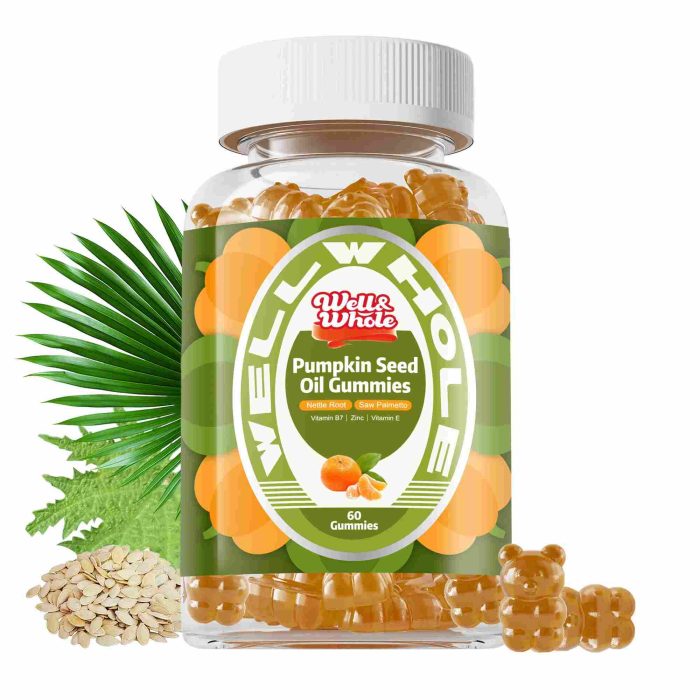
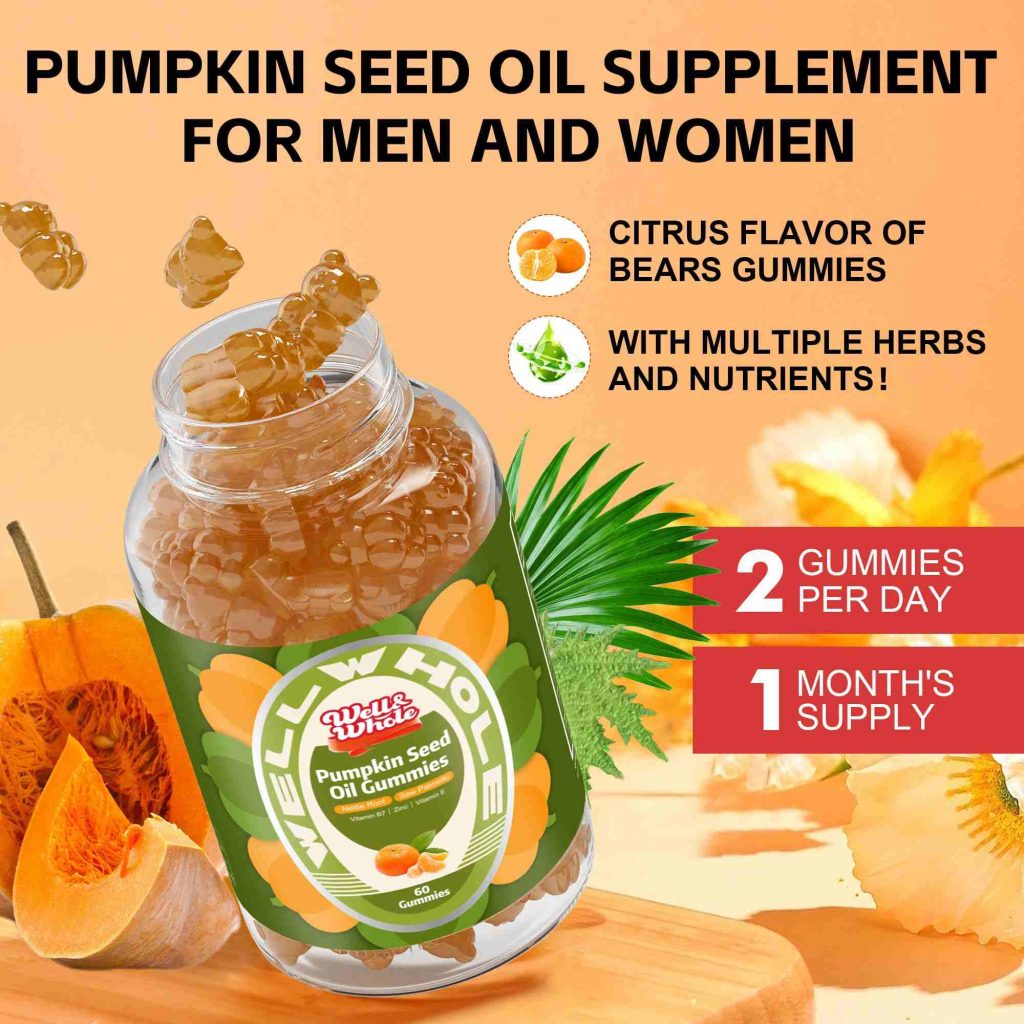
- Softgel supplements: Many capsules contain 500–1,000 mg each. A common regimen is 1 softgel twice daily or 2 softgels once daily with meals.
- Liquid oil: If you’re using culinary pumpkin seed oil, ½–1 teaspoon per day is roughly similar to low‑end supplement doses, depending on the product.
A small clinical study on men with pattern hair loss used 400 mg of pumpkin seed oil per day and reported improvements in hair count and thickness after several months. Many health practitioners, however, use slightly higher doses in the 1,000–2,000 mg range to account for individual differences and dietary habits.
A sensible approach is:
- Start low at about 1,000 mg per day.
- Stay consistent for at least 8–12 weeks.
- If tolerated and you feel you need more support, gradually move toward 2,000 mg per day, unless your healthcare provider advises otherwise.
Mini‑summary: A realistic daily amount for hair growth support is around 1–2 g of pumpkin seed oil, split with meals and taken consistently for several months. Long‑tail keywords: how much pumpkin seed oil per day for hair growth, pumpkin seed oil dosage for hair loss, how long to take pumpkin seed oil for hair results.
How to Take Pumpkin Seed Oil Safely and Effectively
Getting the dose right is only half the picture. To support hair health, how you take pumpkin seed oil also matters.
1. Pair with food
Taking pumpkin seed oil with a meal can improve absorption and reduce the chance of mild digestive upset. Since it’s a fat‑based nutrient, combining it with other healthy fats (like avocado, olive oil, or nuts) often works well.
2. Choose a quality product
Look for cold‑pressed, minimally processed pumpkin seed oil from reputable brands. As a trade company, Well&Whole focuses on stable supply chains and quality control, because oxidized or poorly stored oils lose potency quickly. Dark glass bottles or blister‑sealed capsules help protect the oil from light and air.
3. Be consistent, not sporadic
Hair grows in cycles. That means results from pumpkin seed oil will not be instant, even at the right dose. Most people need at least 3–6 months of regular use to judge whether it supports thicker, fuller‑looking hair.
4. Monitor your body’s response
While pumpkin seed oil is generally well tolerated, some people notice:
- Mild digestive discomfort
- A feeling of heaviness if taken on an empty stomach
- Rare, mild allergy‑like symptoms
If anything feels off, cut the dose in half or pause and talk to a healthcare professional.
Mini‑summary: For best results, combine pumpkin seed oil with meals, choose high‑quality cold‑pressed products, and use it consistently for several months while watching how your body responds. Long‑tail keywords: best way to take pumpkin seed oil for hair, cold pressed pumpkin seed oil for hair growth, how to use pumpkin seed oil safely.
Internal vs Topical Use: Which Helps Hair More?
People often ask whether taking pumpkin seed oil as a supplement or applying it directly to the scalp is better. Each method has its role:
- Internal use (oral supplements or oil)
- Supports the body’s overall hormone balance and nutrient levels.
- Helps from the inside out, potentially influencing the hair growth cycle and DHT.
- Works well as a daily wellness habit, especially when integrated into a broader hair health plan.
- Topical use (scalp massage with pumpkin seed oil)
- May improve local circulation to hair follicles.
- Helps moisturize a dry, flaky scalp and may reduce irritation.
- Works best when used several times a week with gentle scalp massage.
From a practical standpoint, internal use at 1,000–2,000 mg per day is the primary strategy for hair growth support, while topical use is a helpful add‑on for scalp comfort and shine. Some people combine both for a more holistic routine.
At Well&Whole, we see pumpkin seed oil as part of a layered approach: internal hair nutrition, scalp circulation, and lifestyle factors like stress, sleep, and diet all interact to shape the final result you see in the mirror.
Mini‑summary: Internal pumpkin seed oil at 1–2 g daily is the main driver for hair support, while topical use complements it by improving scalp condition and comfort. Long‑tail keywords: topical vs oral pumpkin seed oil for hair, pumpkin seed oil scalp massage for hair growth, pumpkin seed oil supplements for thinning hair.
Who Should Be Careful With Pumpkin Seed Oil?
Even natural ingredients deserve a thoughtful approach. While pumpkin seed oil is considered safe for most adults, some people should check with a healthcare professional before using it daily, especially at higher doses:
- People taking anticoagulant or antiplatelet medications: Pumpkin seed oil may have mild effects on blood flow; combining it with blood‑thinning drugs should be supervised.
- Those with known seed allergies: Anyone with pumpkin or related seed allergies should avoid it or use extreme caution.
- Pregnant or breastfeeding women: Human data is limited, so it’s best to get individualized advice.
- People with chronic liver or gallbladder issues: Extra oil in the diet can sometimes be challenging; medical guidance is recommended.
If you fall into any of these groups, bring the bottle or product information to your physician or pharmacist and ask whether a daily dose of 1–2 g of pumpkin seed oil for hair fits safely into your routine.
Mini‑summary: Most adults tolerate pumpkin seed oil well, but those on blood thinners, with seed allergies, or with specific medical conditions should consult a professional before daily use. Long‑tail keywords: is pumpkin seed oil safe for hair growth, who should not take pumpkin seed oil, pumpkin seed oil side effects for hair.
FAQs About Pumpkin Seed Oil and Hair Growth
1. How much pumpkin seed oil should I take per day for hair growth?
A common target is 1,000–2,000 mg (1–2 g) of pumpkin seed oil daily, ideally taken with meals. Start at the low end, use it consistently for 8–12 weeks, and adjust with guidance from a healthcare professional if needed.
2. How long does it take to see results in hair thickness?
Hair growth is slow and cyclical. Most people need at least 3–6 months of regular use to notice changes in thickness or shedding. Combining pumpkin seed oil with a nutrient‑dense diet, good sleep, and stress control can make results more noticeable.
3. Can I use pumpkin seed oil and other hair supplements together?
In many cases, yes. Pumpkin seed oil is often combined with biotin, zinc, saw palmetto, or collagen as part of a comprehensive hair support routine. To avoid interactions or overdosing specific nutrients, review your full supplement list with a health professional before you add pumpkin seed oil every day.