
How Pumpkin Seed Oil Can Support Thicker, Healthier Hair
As more people look for simple, natural ways to care for their hair, pumpkin seed oil has quietly become a favorite in the world of holistic beauty. This nutrient-dense oil isn’t a miracle cure, but when used correctly it can support scalp health, help reduce breakage, and promote the look of thicker, fuller hair over time. As a nutrition‑focused trade company, Well&Whole often receives questions about how to make and use pumpkin seed oil for hair growth in a practical, science‑aware way.
Below is a clear, step‑by‑step guide to using pumpkin seed oil at home, along with how it fits into a broader healthy hair routine.
Understanding Why Pumpkin Seed Oil Is Used For Hair
Pumpkin seed oil is naturally rich in essential fatty acids, vitamin E, zinc, and plant sterols. These nutrients work together to support the scalp and hair shaft:
- Fatty acids help moisturize the scalp and reduce dryness and flakiness.
- Vitamin E offers antioxidant support, which may help protect the scalp from oxidative stress.
- Zinc and plant sterols are often discussed in relation to hair shedding and scalp balance.
Some early research suggests that compounds in pumpkin seed oil may help support a healthy balance of hormones around hair follicles. While this doesn’t turn the oil into a medical treatment, it helps explain why pumpkin seed oil for hair growth has become a popular topic in both natural beauty and wellness communities.
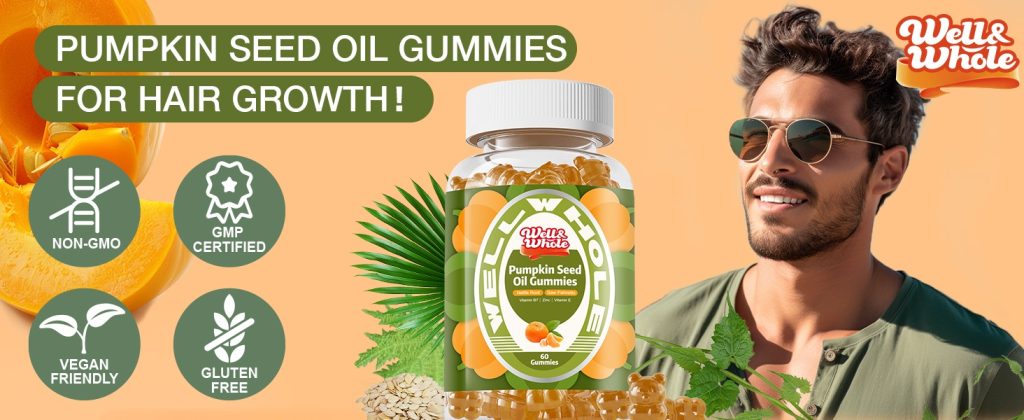
From an SEO standpoint, many people search for phrases like “natural remedies for thinning hair,” “pumpkin seed oil benefits for scalp,” and “cold-pressed pumpkin seed oil for hair”. Understanding the real‑world benefits behind these terms helps you decide if pumpkin seed oil deserves a place in your routine.
Section summary: Pumpkin seed oil is valued for its fatty acids, antioxidants, and scalp‑supporting nutrients, which is why so many people search for pumpkin seed oil for hair growth, natural oils to thicken hair, and pumpkin seed oil benefits for hair and scalp.
Choosing The Right Pumpkin Seeds And Oil Type
Before you think about how to make pumpkin seed oil, it’s important to understand the raw material. The quality of the seeds you use will heavily influence the quality of the oil you get.
- Choose food‑grade pumpkin seeds: Look for fresh, unsalted, raw pumpkin seeds (pepitas). Avoid seeds that are flavored, roasted in cheap oils, or heavily salted.
- Organic when possible: Organic pumpkin seeds can help you avoid pesticide residues and may retain a more natural nutrient profile.
- Color and smell: Fresh seeds should smell mild and nutty, not old or rancid. The fresher the seeds, the better the oil.
Commercial producers typically use cold‑pressed methods to make pumpkin seed oil. This process keeps temperatures low to protect delicate fatty acids and maintain a richer nutrient content. That’s why many people specifically look for cold‑pressed pumpkin seed oil for hair in stores and online.
At Well&Whole, we emphasize that even if you experiment with homemade pumpkin seed oil, a properly processed, cold‑pressed product will often be more stable, consistent, and convenient to use over the long term.
Section summary: Select fresh, food‑grade, preferably organic pumpkin seeds, and aim for cold‑pressed pumpkin seed oil for hair if you buy it. These choices support quality whether you’re exploring DIY pumpkin seed oil for hair, natural pumpkin seed oil scalp treatments, or organic pumpkin seed oil hair care routines.
How To Make A Simple Pumpkin Seed Oil At Home
True commercial pumpkin seed oil is made with specialized pressing equipment, but you can still create a simple, homemade pumpkin seed oil infusion that can work well as a hair and scalp treatment.
Here is a straightforward method you can try at home:
- Prepare the seeds
Rinse about 1–2 cups of raw pumpkin seeds to remove any pulp. Pat them dry thoroughly. Spread them on a baking sheet and let them air‑dry for several hours, or use a very low oven (no more than 80–90°C / 175–195°F) to remove surface moisture without burning them. - Lightly toast (optional)
To develop a richer aroma, you can lightly toast the seeds in a dry pan over low heat for 3–5 minutes, stirring constantly. Do not brown or burn them; you just want a gentle nutty smell. Allow them to cool completely. - Grind the seeds
Use a blender, spice grinder, or food processor to grind the seeds into a coarse meal. The more surface area you create, the easier it is to extract the oil into your carrier oil. - Choose a carrier oil
Because you probably don’t have a home oil press, you’ll be making an infused oil. Use a neutral, hair‑friendly carrier such as extra virgin olive oil, grapeseed oil, or sweet almond oil. These oils are also popular in natural hair oil recipes. - Create the infusion
- Place the ground pumpkin seeds in a clean glass jar.
- Cover them completely with your carrier oil, leaving a little space at the top.
- Seal the jar and place it in a cool, dark spot for 2–3 weeks. Shake gently every day to help the infusion process.
- Strain the oil
After a few weeks, strain the mixture through a fine sieve or cheesecloth, pressing firmly to extract as much oil as possible. Transfer the infused pumpkin seed oil to a clean, dark glass bottle and store it away from heat and sunlight.
While this isn’t a pure, cold‑pressed oil, it can still be rich in the beneficial compounds from pumpkin seeds and works well in hair masks and scalp treatments.
Section summary: By infusing ground pumpkin seeds into a healthy carrier oil, you can create a practical homemade pumpkin seed oil for everyday use in DIY hair growth oil recipes, natural hair care routines for thinning hair, and homemade scalp treatment oils.
How To Use Pumpkin Seed Oil For Hair Growth Support
Making or buying pumpkin seed oil is only the first step. How you use it will determine the results you see over time.
1. As a pre‑shampoo scalp treatment
- Warm a small amount of pumpkin seed oil between your hands.
- Gently massage it into your scalp for 5–10 minutes, using circular motions.
- Leave it on for at least 30 minutes, or up to 2 hours, then shampoo as usual.
This massage not only distributes the oil but also helps stimulate blood flow to the scalp, which is a key benefit of scalp massage with pumpkin seed oil for hair growth.
2. As a nourishing hair mask
- Mix pumpkin seed oil with a little aloe vera gel or plain yogurt.
- Apply from mid‑lengths to ends on slightly damp hair.
- Leave on for 20–30 minutes before rinsing and shampooing lightly.
This can help reduce dryness and improve the appearance of damaged hair over time, especially if you frequently use heat tools or chemical treatments.
3. As a finishing oil for shine and frizz control
- Rub 1–2 drops of pumpkin seed oil between your palms.
- Lightly smooth over the ends of dry hair to add shine and reduce frizz.
Use sparingly; pumpkin seed oil is rich and can weigh hair down if you apply too much.
At Well&Whole, we also remind clients that consistent use matters. Natural oils often work gradually. You might notice improvements in softness and shine within a few uses, but visible changes in thickness or reduced shedding may take several weeks to months of regular use.
Section summary: Use pumpkin seed oil as a scalp treatment, deep conditioning mask, or light finishing oil to support hair health as part of a natural hair growth routine, a weekly scalp treatment schedule, and a long‑term hair care plan for thinning hair.
Combining Pumpkin Seed Oil With Overall Hair Wellness
While topical pumpkin seed oil can support scalp and hair, it performs best when part of a broader, health‑conscious routine.
- Balanced nutrition: Hair relies on adequate protein, iron, zinc, and vitamins. A well‑rounded diet or thoughtfully designed supplements can support hair from the inside.
- Stress management: Chronic stress is often linked with hair issues. Techniques like regular exercise, breathing practices, or short daily walks can help.
- Gentle hair care: Limit harsh chemical treatments, tight hairstyles, and high‑heat styling tools. These can weaken the hair shaft and negate the benefits of your oil routine.
- Consistency over intensity: Using pumpkin seed oil once every few months is less effective than a small, regular routine each week.
As a trade company in the nutritional and wellness space, Well&Whole focuses on the synergy between topical care and internal nourishment. When clients use pumpkin seed oil while also supporting their general health, they’re more likely to see satisfying improvements in hair strength, manageability, and overall appearance.
Section summary: For best results, pair pumpkin seed oil with good nutrition, stress management, and gentle styling, which together create a sustainable holistic hair growth routine, natural approach to strengthening hair, and integrated scalp and hair wellness plan.
FAQ
1. How often should I use pumpkin seed oil on my hair?
Most people do well using pumpkin seed oil 1–3 times per week as a scalp treatment or hair mask. If your scalp is very oily, start with once a week and adjust based on how your hair responds.
2. Can pumpkin seed oil completely stop hair loss?
Pumpkin seed oil is a supportive, natural option, not a guaranteed medical treatment. It may help improve scalp condition and hair quality, but if you have significant or sudden hair loss, it’s important to speak with a healthcare professional or dermatologist.
3. Is it better to make pumpkin seed oil at home or buy it?
A homemade infusion is a practical way to start and lets you control the ingredients. However, high‑quality, cold‑pressed pumpkin seed oil from a reputable producer will usually offer more consistent concentration and stability. Many people use a combination: a reliable commercial oil for everyday use and homemade blends for customized hair masks and treatments.