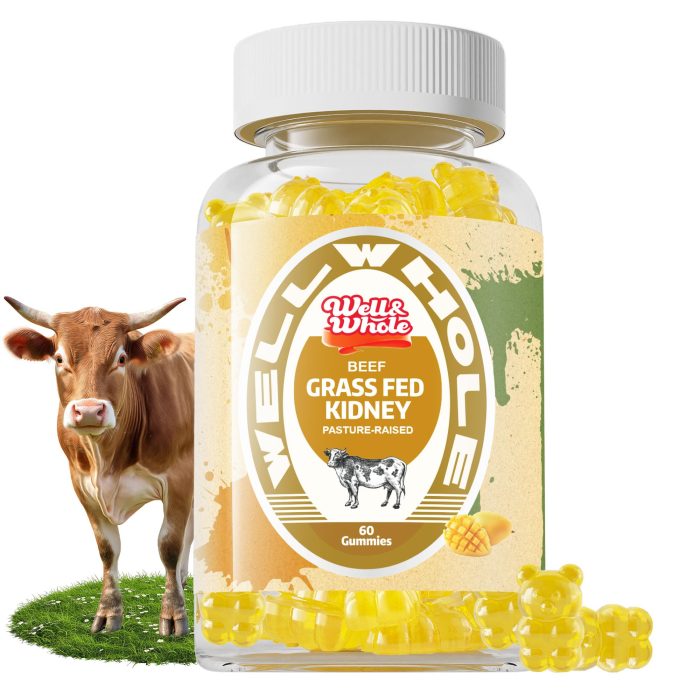


Discovering the Healthiest Protein Sources for Optimal Wellness
As health-conscious individuals increasingly prioritize balanced nutrition, protein continues to reign supreme in diets worldwide, providing the essential building blocks for muscle repair, hormone regulation, and overall wellness. Yet, navigating which type of protein is healthiest can be challenging, given the myriad options available. For those striving to make informed dietary choices, Well&Whole is committed to delivering trustworthy insights to support a healthier lifestyle.
Understanding Healthy Protein Choices
Proteins come in many forms—from plant-based alternatives to lean meats—but not all are created equal. Healthiest proteins are identified not only by their nutritional profile but also by their ability to support heart health, sustained energy, and digestion. Among common sources, lean meats like chicken breast, turkey, and fish often emerge as front-runners due to their low-fat content and high-quality nutrients.
For instance, chicken breast provides approximately 27 grams of protein per 100 grams while being naturally low in saturated fats. Similarly, fish such as salmon and mackerel are packed with omega-3 fatty acids, benefiting cardiovascular health, reducing inflammation, and boosting cognitive function.
However, choosing the “best” protein also involves considering individual goals. Are you looking to build muscle, lose weight, improve heart health, or enhance digestion? These factors determine which protein sources align most closely with your unique needs.
Why Lean Meat Reigns Supreme
When discussing the healthiest kinds of meat, lean options consistently receive a top spot due to their favorable combination of nutrients. Unlike red meats, which may contain higher levels of saturated fats linked to cardiovascular concerns, lean meats help maintain energy levels without adding unnecessary calories. Moreover, they are rich in essential vitamins like B12, selenium, and zinc—all crucial for bodily functions such as DNA synthesis and immunity.
Take turkey breast as an example: it delivers 26 grams of protein per 100 grams along with minimal fat content. Additionally, it boasts tryptophan, an amino acid that promotes serotonin production, aiding emotional well-being. When paired with fiber-rich veggies, turkey becomes a nutrient-dense addition to any meal plan.

Exploring Plant-Based Protein Options
While lean meats cater perfectly to many dietary preferences, those exploring vegetarian or vegan lifestyles need equally effective protein substitutes. Lentils, chickpeas, tofu, and quinoa deliver robust protein profiles without cholesterol or saturated fat, making them ideal for heart health. For instance, a cup of lentils contains roughly 18 grams of protein alongside 16 grams of fiber, ensuring satiety and digestive aid.
Nonetheless, some plant-based proteins lack certain essential amino acids. To combat this, pairing complementary foods (such as beans with rice or nuts with grains) can create a complete protein source.
Balancing Quality with Sustainability
Another vital consideration is sustainability. As awareness of environmental impact grows, consumers increasingly opt for proteins that combine nutritional value with eco-friendly practices. For instance, Well&Whole proudly collaborates with ethically-sourced suppliers, offering products that prioritize both health and planet-conscious values.
Additionally, integrating sustainable seafood, grass-fed poultry, and organic plant proteins helps consumers make responsible choices without compromising high-quality nutritional profiles.
The Role of Protein Supplements
For individuals with demanding schedules or heightened fitness needs, supplements can serve as a practical solution. At Well&Whole, our meticulously crafted supplements are designed to meet diverse dietary demands—whether boosting recovery post-workout or supporting busy executives in achieving their daily protein intake. With up to 90% bioavailability, these formulas ensure efficient absorption, fueling your body with the nutrients it requires to thrive.
However, supplements should complement, not replace, whole-food sources. By incorporating both, consumers can optimize nutrition without sacrificing balance.
Actionable Tips for Incorporating Protein
1. Focus on Variety: Aim for a mix of lean meats, plant-based proteins, eggs, and dairy for a diverse nutrient intake.
2. Monitor Portion Sizes: While protein is crucial, excessive consumption can strain kidneys and lead to imbalances. Stick to recommended daily allowances—roughly 46 grams for women and 56 grams for men.
3. Opt for Unprocessed Meats: Whenever possible, prioritize fresh, minimally prepared meats over cured or processed options to avoid unnecessary sodium and preservatives.
4. Embrace Sustainability: Choose brands like Well&Whole that prioritize transparency and ethically sourced products to align dietary practices with long-term environmental goals.
Conclusion: Your Path to Wellness
When determining the healthiest protein or meat, always consider factors like fat content, nutrient density, sustainability, and personal wellness goals. Lean meats like chicken and fish excel in delivering high-quality protein, while plant-based alternatives are better suited to those seeking heart-friendly, cholesterol-free options.
At Well&Whole, we believe that a thoughtfully curated diet is the cornerstone of a vibrant lifestyle. With our range of health-forward products and resources, we’re here to help maximize your nutritional potential—one meal at a time. Empower yourself with the knowledge you need to thrive and share these insights with those on a similar journey toward better health.
Now is the time to reimagine your protein intake and unlock the benefits of optimal nutrition for body and mind alike!