
Pumpkin seed oil has quietly become a favorite in the natural hair‑care world, and for good reason. Rich in nutrients that support the scalp and follicles, it offers a gentle, holistic way to care for thinning or stressed hair. For a health‑focused trading company like Well&Whole, pumpkin seed oil fits perfectly into a broader approach to wellness that values science, quality, and long‑term results over quick fixes.
Below, we’ll explore how pumpkin seed oil works, who it may help most, and how to use it effectively for stronger, fuller‑looking hair.
How Pumpkin Seed Oil Supports Hair Growth
Pumpkin seed oil is packed with compounds that may support hair growth from several angles. The most talked‑about is its potential to block the conversion of testosterone to DHT (dihydrotestosterone), a hormone closely linked to male and female pattern hair loss.
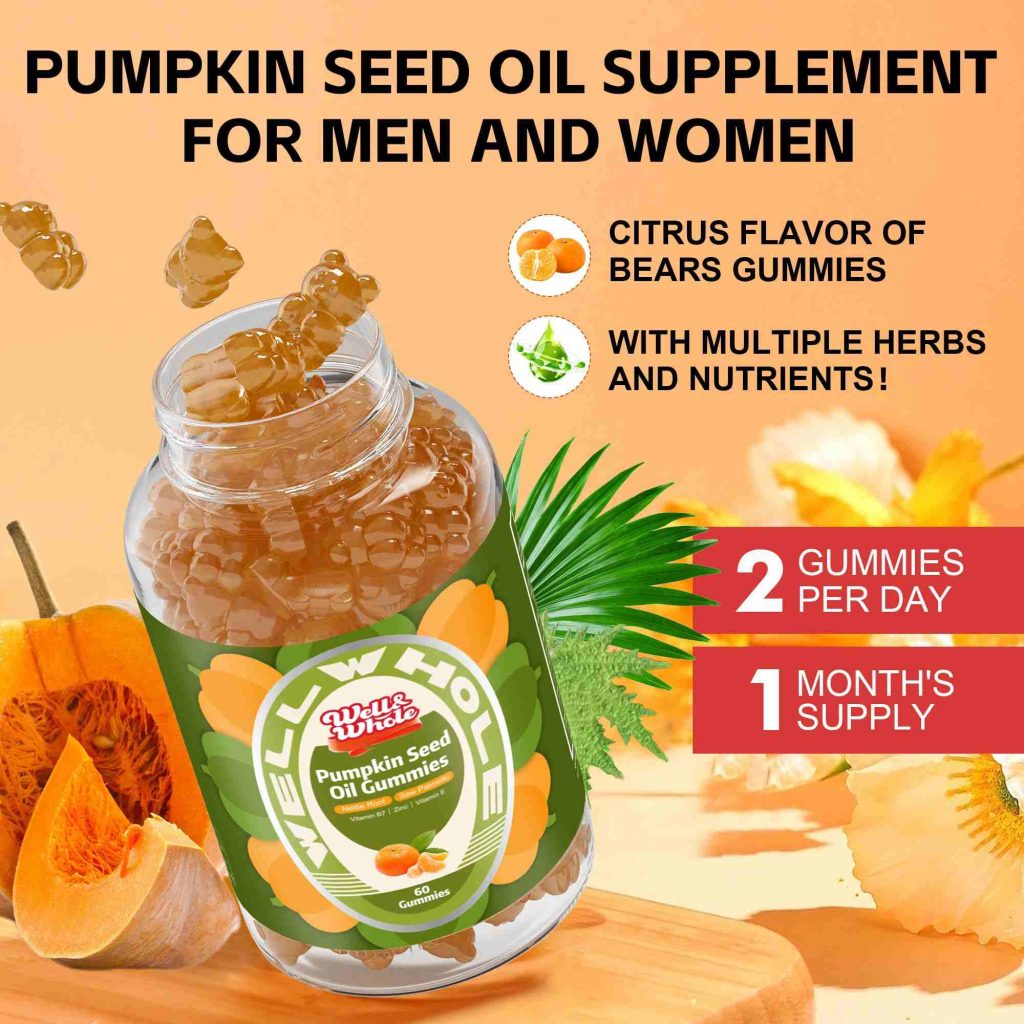
Research suggests that pumpkin seed oil contains phytosterols, zinc, and gamma‑tocopherol (a form of vitamin E) that may contribute to a healthier hair cycle. By supporting hormonal balance at the follicle level and helping protect cells from oxidative stress, pumpkin seed oil can create a more favorable environment for hair to grow:
- DHT modulation: Excess DHT can shrink hair follicles over time. Pumpkin seed oil appears to gently influence this pathway, which is why many people explore it as a natural alternative for thinning hair.
- Nutrient density: Essential fatty acids in pumpkin seed oil help nourish the scalp barrier, while antioxidants support overall follicle health.
- Improved scalp comfort: A well‑hydrated scalp is less prone to tightness, itching, or flaking, all of which can interfere with a healthy hair environment.
For individuals seeking natural remedies for hair loss or looking to complement other approaches, pumpkin seed oil offers a non‑aggressive and wellness‑friendly option. In summary, its combination of DHT‑related activity, nutrient support, and antioxidant protection positions it as a promising ingredient in holistic hair growth solutions.
Key Nutrients in Pumpkin Seed Oil for Stronger Hair
The strength of pumpkin seed oil lies in its nutrient profile. A closer look reveals why this oil is increasingly found in advanced hair supplements and topical products:
- Essential fatty acids (omega‑6 and omega‑9): These help maintain scalp moisture and support the natural lipid barrier, which can reduce dryness and breakage.
- Zinc: Often associated with Immune Health, zinc also plays a role in protein synthesis and hair tissue repair. Adequate zinc intake is linked to healthier, more resilient hair.
- Vitamin E and other antioxidants: Gamma‑tocopherol and related antioxidant compounds may help neutralize free radicals that can damage hair follicles over time.
- Phytosterols: Plant sterols in pumpkin seed oil are believed to support hormone balance at the skin and follicle level, which is particularly relevant for pattern hair thinning.
When used consistently, these nutrients may contribute to hair that looks thicker, smoother, and more vibrant. This is one reason brands like Well&Whole pay close attention to sourcing high‑quality pumpkin seed oil for hair growth as part of their health‑focused portfolios.
In essence, the unique combination of fatty acids, minerals, and antioxidants makes pumpkin seed oil a powerful ally for those seeking natural hair thickening remedies, especially when combined with a balanced diet and a consistent hair‑care routine.
Topical vs. Oral Use: How to Use Pumpkin Seed Oil for Best Results
There are two main ways people use pumpkin seed oil for their hair: topically on the scalp and orally as a supplement. Each approach has its own benefits, and many find that combining them offers more comprehensive support.
Topical use (scalp and hair)
Applying pumpkin seed oil directly to the scalp can help with hydration and comfort, while delivering key nutrients right where they’re needed:
- Massage a small amount into the scalp, leave it on for 20–30 minutes, then shampoo as usual.
- Blend pumpkin seed oil with lighter carrier oils if your hair is fine or prone to greasiness.
- Use it 2–3 times per week as part of your regular hair‑care routine.
This method is especially appealing to people looking for DIY pumpkin seed oil hair growth treatments that are easy to incorporate at home.
Oral use (capsules or liquid)
Taken internally, pumpkin seed oil can support overall wellness while providing nutrients that benefit hair from the inside out:
- Choose standardized, quality‑tested supplements from trusted suppliers.
- Consistency matters; hair growth is slow, so give it several months.
- Combine with a nutrient‑dense diet, adequate protein, and lifestyle habits that reduce chronic stress.
For a wellness‑oriented company like Well&Whole, the focus is not on quick miracles but on sustainable, science‑aware support for hair health. When both topical and oral methods are used wisely, many people find they complement each other, forming a more complete pumpkin seed oil hair care regimen.
In summary, topical application targets the scalp directly, while oral use supports internal balance. Together, they can form a flexible strategy for those seeking holistic hair growth support with pumpkin seed oil.
Who Can Benefit Most from Pumpkin Seed Oil for Hair?
Pumpkin seed oil is not limited to one age group or gender. Its gentle nature and wellness‑oriented profile make it suitable for a wide range of people:
- Men noticing receding hairlines or diffuse thinning who want to explore a natural, complementary approach.
- Women experiencing postpartum shedding or age‑related thinning, especially when looking for mild, nutrient‑rich support.
- Individuals with dry, flaky, or stressed scalps who need moisturizing care alongside hair growth efforts.
- People focused on preventive care, looking to maintain hair density and scalp health before significant thinning occurs.
Because hair health is closely linked to overall wellness, pumpkin seed oil also resonates with those who value diet, lifestyle, and natural supplementation as part of their path to better hair. As a health‑oriented trading company, Well&Whole often sees that customers interested in pumpkin seed oil are also committed to broader habits such as balanced nutrition, quality sleep, and stress management.
That said, response can vary from person to person. Pumpkin seed oil is best seen as one part of a thoughtful plan that may also include balanced hormones, sufficient protein intake, and good scalp hygiene. In conclusion, it is especially promising for individuals searching for gentle hair growth solutions without harsh chemicals, and for those seeking natural ways to improve thinning hair density over time.
Choosing Quality Pumpkin Seed Oil Products
Not all pumpkin seed oil is created equal. To get real benefits for hair growth, quality and sourcing matter:
- Look for cold‑pressed oil: This method helps preserve delicate nutrients and antioxidants that can be damaged by high heat.
- Check purity and origin: Transparent labeling, batch testing, and clear country of origin are all signs of a reliable product.
- Avoid unnecessary additives: When possible, choose products without artificial colors, fragrances, or fillers that don’t add value.
- Consider synergy with other ingredients: Many effective formulas combine pumpkin seed oil with biotin, saw palmetto, or other targeted nutrients for more complete support.
As a specialized health supplement trading company, Well&Whole prioritizes consistent quality, reliable sourcing, and technical documentation that supports product claims. This approach helps ensure that pumpkin seed oil products deliver the real benefits of pumpkin seed oil for hair growth, rather than just a name on a label.
In short, choosing carefully sourced, well‑formulated products maximizes the chances of seeing meaningful improvements in hair quality. Ultimately, this is how consumers can build a trustworthy pumpkin seed oil hair growth routine that aligns with broader health and wellness goals.
FAQ
- How long does it take to see results from pumpkin seed oil for hair?
Most users should allow at least 3–6 months of consistent use before judging results. Hair growth cycles are slow, and natural approaches such as pumpkin seed oil generally work gradually rather than overnight. - Can pumpkin seed oil be combined with other hair growth treatments?
Yes, many people use pumpkin seed oil alongside other hair strategies, such as balanced nutrition, gentle shampoos, or clinically studied ingredients. It is often used as a complementary, natural option in a wider hair loss management plan. - Is pumpkin seed oil suitable for all hair types?
Pumpkin seed oil is generally suitable for most hair and scalp types when used appropriately. Those with very fine or oily hair may prefer lighter topical applications or focus more on oral supplementation as part of their natural hair growth support routine.