
Understanding the Potential Side Effects of Amino Acid Supplements
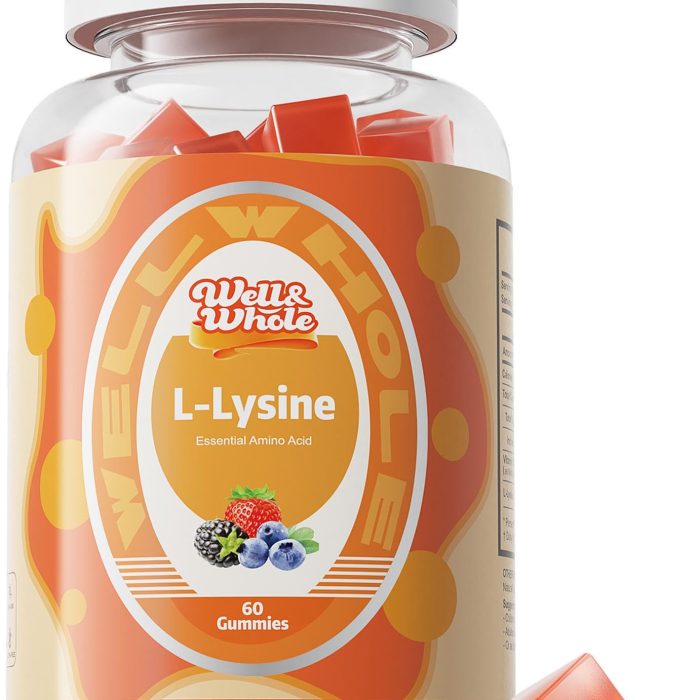
Amino acid supplements have gained immense popularity among fitness enthusiasts, athletes, and health-conscious individuals. Known for their ability to support muscle growth, enhance recovery, and promote optimal health, amino acids are undoubtedly vital. However, like any dietary supplement, amino acid products may come with certain potential risks. By understanding these side effects, consumers can make informed decisions about incorporating these supplements into their routines.
At Well&Whole, we prioritize not only your wellness but also transparency. That’s why we’ve delved into the common concerns associated with these supplements while providing actionable solutions to mitigate the risks.
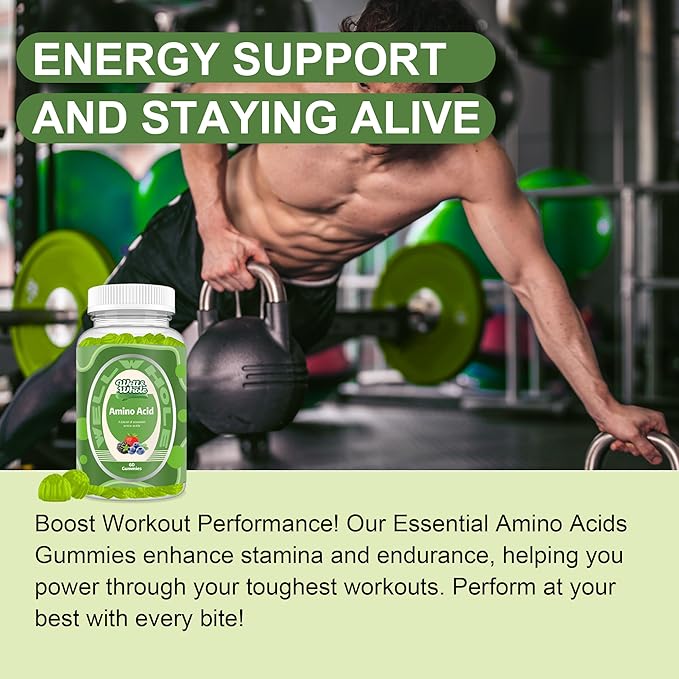
The Most Common Side Effects
While amino acid supplements are generally safe for most individuals when taken in appropriate doses, certain side effects may arise due to overuse, existing medical conditions, or incompatibility with your unique biological makeup. Below are some commonly reported reactions:
Digestive Issues
One of the most frequent side effects reported by users is gastrointestinal discomfort. Symptoms such as bloating, nausea, or diarrhea might occur, especially when amino acid supplements are consumed in excessive quantities. Branched-chain amino acids (BCAAs), a popular variant, have been linked to such digestive challenges when over-consumed. To avoid this, stick to the manufacturer’s recommended dosage and consider consulting with a healthcare provider before starting supplementation.
Imbalance in Nutrients
Focusing solely on supplementation without a balanced, nutrient-rich diet could lead to deficiencies in other essential vitamins and minerals. For instance, an overreliance on amino acids may result in reduced dietary attention to vital nutrients like fiber, leading to long-term health complications. This highlights the importance of a holistic approach to health, combining supplements with proper dietary planning.
Potential Strain on Kidneys
Excessive intake of protein and amino acids can put undue pressure on the kidneys, especially for individuals with pre-existing kidney disorders. High doses may increase the body’s nitrogen load, making it harder for the kidneys to efficiently filter waste products. In fact, studies indicate that people with chronic kidney disease (CKD) should carefully monitor their protein intake. To ensure safety, Well&Whole recommends choosing formulations tailored to individual health needs.
Rare but Serious Reactions
Allergic Reactions
While rare, some people may experience allergic reactions to particular amino acid formulations. Symptoms could include swelling, itching, rash, or even difficulty breathing. If you notice unusual symptoms after taking a supplement, stop immediately and seek medical attention.
Mood Swings and Neurological Effects
Certain amino acids such as tyrosine, when consumed in high doses, may influence neurotransmitter activity, leading to changes in mood or mild anxiety. While these symptoms are typically temporary, it underscores why dosage matters.
How to Safeguard Your Health
When it comes to amino acid supplementation, prevention is the best strategy. Here’s how you can protect your health and maximize benefits:
- Stick to Recommended Dosages
Overconsumption is one of the primary culprits behind adverse effects. Follow dosage instructions carefully and avoid the temptation to “do more” for quicker results. - Select High-Quality Products
Not all amino acid supplements are created equal. At Well&Whole, we pride ourselves on offering premium-grade amino acid formulations that are extensively tested for purity and efficacy. Choosing trusted brands minimizes the risk of contamination or low-quality ingredients that could harm your health. - Monitor Your Body’s Response
Each person’s physiology is unique, meaning supplements might affect individuals differently. Pay close attention to how your body reacts, and if discomfort arises, consult a healthcare professional immediately. - Balance Supplements with Nutrition
Amino acids should complement, not replace, a well-balanced diet. Foods rich in natural amino acids—such as lean meats, eggs, nuts, and legumes—should form the cornerstone of a healthy lifestyle.
Are Amino Acid Supplements Right for You?
Deciding whether amino acid supplements are right for you requires understanding your specific health goals, risk factors, and unique biological needs. For athletes aiming to boost recovery, or professionals struggling with fatigue, amino acids can be a game-changer. However, proper usage is key to avoiding undesirable outcomes.
At Well&Whole, our mission is not only to promote physical health but to offer safe solutions backed by science. Whether you’re just starting your fitness journey or improving your nutritional regime, we’re here to support you with informed guidance. For the best results, pair our amino acids with a comprehensive wellness strategy tailored to your body’s needs.
Final Thoughts
While amino acids play critical roles in supporting vitality and well-being, it’s vital to approach supplementation with knowledge and care. Understanding potential side effects helps ensure a safer, more productive experience. With Well&Whole’s premium products, you can reap the benefits of amino acid supplementation minus unnecessary risks. Always remember to listen to your body and prioritize balance to create a foundation for lasting health.
For additional insights into health, nutrition, and premium supplement options, visit Well&Whole’s website or contact our dedicated team today. Enhance your wellness—responsibly.