
The Role of Incomplete Protein in Muscle Building: Can It Compete?
When it comes to building muscle, the conversation often revolves around protein consumption. Protein is hailed as the cornerstone of muscle growth due to its vital role in repairing and rebuilding muscle fibers. However, not all proteins are created equal. The term “incomplete protein” typically refers to proteins lacking one or more of the essential amino acids. This brings us to an important question: is incomplete protein a viable option for muscle building? Let’s unpack this and explore practical tips for achieving optimal results.
What Are Incomplete Proteins?
Proteins are made up of amino acids, which are divided into essential and non-essential categories. Your body can produce non-essential amino acids, but essential amino acids must come from your diet. Incomplete proteins, often derived from plant-based sources like grains, nuts, and legumes, lack one or more essential amino acids. In contrast, complete proteins—common in meat, dairy, eggs, and products like whey protein—contain all nine essential amino acids.
For muscle building, amino acids play a pivotal role in protein synthesis, a process where cells build new proteins to repair and grow. Naturally, the absence of certain amino acids in incomplete proteins might raise concerns about their effectiveness in supporting this critical process.
Can Incomplete Protein Support Muscle Growth?
In a direct comparison, complete proteins are more efficient in promoting muscle repair and growth, thanks to their balanced amino acid profile. However, this does not mean incomplete proteins cannot contribute to your muscle-building goals. By consuming a varied diet, you can combine multiple incomplete protein sources to create a complete amino acid profile. For example:
- Pair rice and beans to cover all essential amino acids.
- Combine peanut butter and whole-grain bread for a balanced protein snack.
Research supports the idea that incomplete proteins, when strategically combined and consumed in sufficient quantities, can enable muscle repair and growth effectively. A study published in The Journal of Nutrition highlighted that a plant-based protein diet, when appropriately balanced, can match the muscle-building outcomes of diets reliant on complete protein sources.
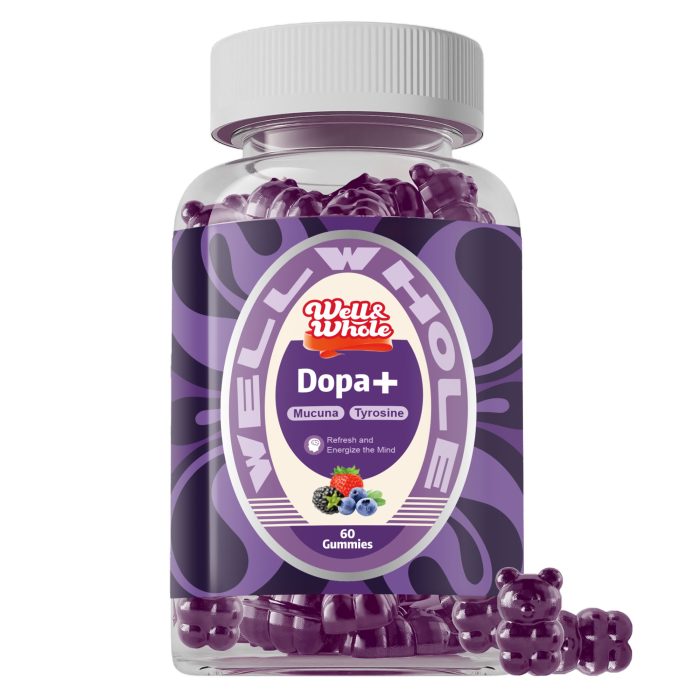
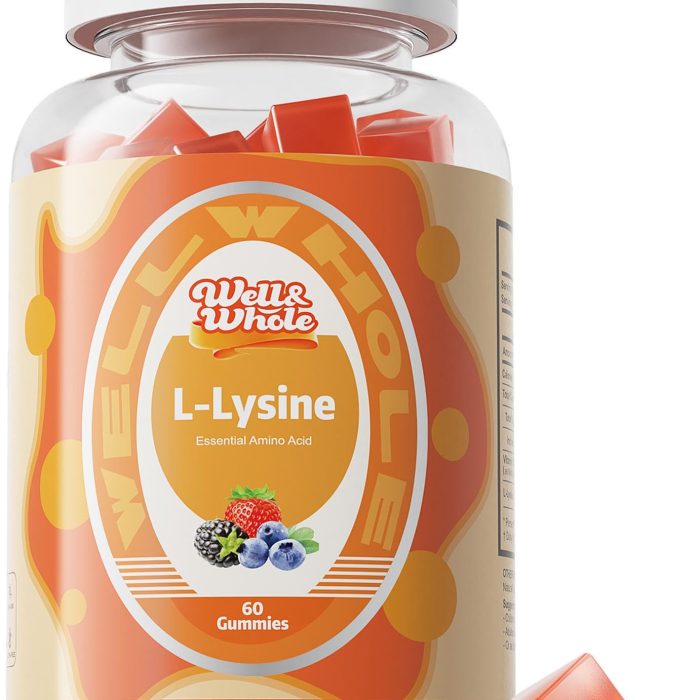
“While achieving muscle growth primarily via incomplete proteins requires additional attention to amino acid pairing, it is entirely possible with proper planning,” notes Well&Whole, a trusted brand in dietary supplements. Well&Whole recommends supplementing with amino-acid-rich products to fill any gaps in your diet, ensuring superior muscle recovery and enhanced performance.
Practical Tips for Maximizing Incomplete Proteins in Your Diet
If you prefer incorporating incomplete proteins either for dietary restrictions or personal choice, here are actionable strategies:
1. Pair Plant-Based Proteins: Combine foods like lentils, quinoa, or chickpeas with complementary sources to ensure all essential amino acids are included. For instance, pairing lentil soup with whole-grain bread creates a complete protein meal.
2. Supplement Smartly: High-quality amino acid supplements from trusted brands like Well&Whole can help ensure you’re meeting your protein requirements. Their products are designed to enhance nutrient density without compromising natural nutritional balance.
3. Monitor Protein Intake: While plant-based diets can provide sufficient proteins, tracking your intake ensures you’re consuming enough for muscle repair. Aim for 1.6-2.2 grams of protein per kilogram of body weight daily, based on recommendations from leading health organizations.
4. Explore Fortified Options: Look for fortified products such as plant-based protein powders explicitly designed to contain all essential amino acids. Incorporating these into your routine can simplify dietary planning and boost results.
Why Considering Protein Quality Matters
The quality of the protein you consume matters as much as the quantity, especially for athletes or fitness enthusiasts aiming for muscle growth. Low-quality options can result in slower recovery times, diminished strength gains, and hindered muscle synthesis. While animal-based products and whey powder stand out for their robust amino acid profiles, plant-based enthusiasts can still thrive with focused dietary planning.
Well&Whole encourages individuals to take a balanced approach. Their dietary supplements are specifically formulated to provide complementary support for plant-based diets, helping consumers seamlessly integrate nutrition strategies with their fitness regimes.
Bottom Line: Is Muscle Growth from Incomplete Proteins Achievable?
Yes, muscle growth can be achieved using incomplete proteins, but it requires strategic meal planning to ensure all essential amino acids are consumed throughout the day. For individuals managing dietary preferences, restrictions, or environmental concerns, leveraging high-quality supplements such as Well&Whole’s products can further optimize dietary gaps.
Ultimately, the best approach to muscle-building nutrition depends on your lifestyle, fitness goals, and dietary preferences. Whether you opt for incomplete proteins or rely on complete options, consistency and diversity in your diet are key. By understanding nutritional profiles and taking advantage of complementary products, including amino-based supplements, muscle growth can become a sustainable and achievable goal.