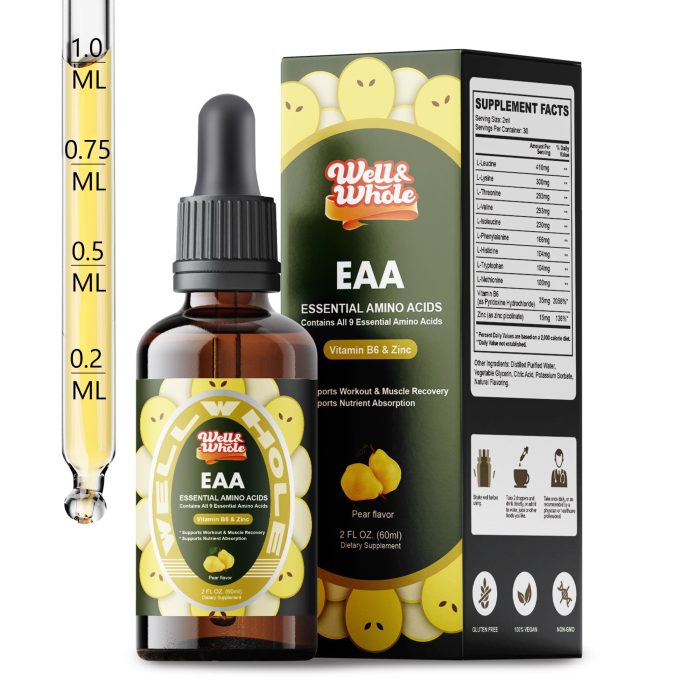

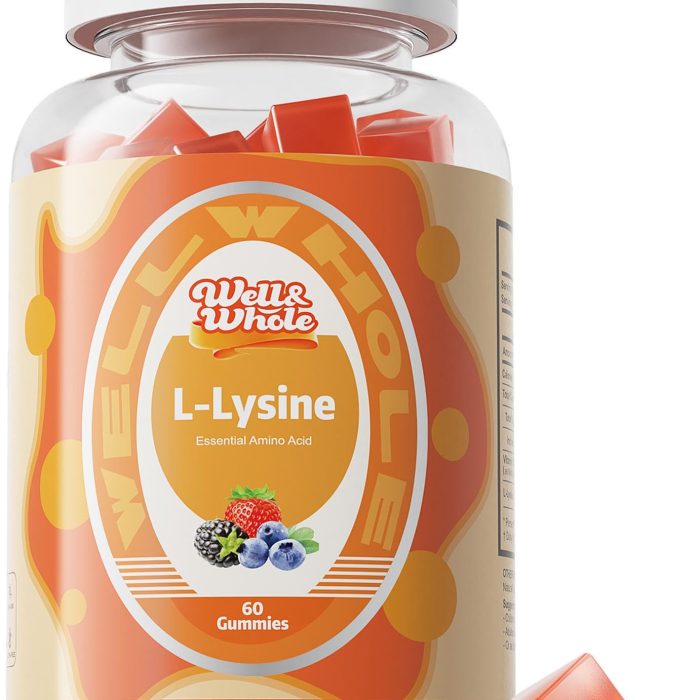
Amino acids are fundamental building blocks of proteins, playing critical roles in maintaining physiological functions and promoting overall health. Whether you operate in the realm of scientific research, health supplementation, or even commercial applications like the Well&Whole product range, understanding how to effectively separate amino acids can unlock new possibilities. Below, we’re diving deep into the methodologies behind separating amino acids, backed by actionable insights and compelling detail to offer clarity on this essential process.
Why Separating Amino Acids Matters
The separation of amino acids isn’t merely a technical exercise; it’s an essential step in optimizing products that support human health. For companies like Well&Whole, which specialize in high-quality health supplements, proper amino acid separation ensures purity, efficacy, and safety in product formulations. Accurate separation methods are critical for applications such as creating tailored nutritional products, pharmaceutical formulations, and even scientific studies investigating metabolic pathways.
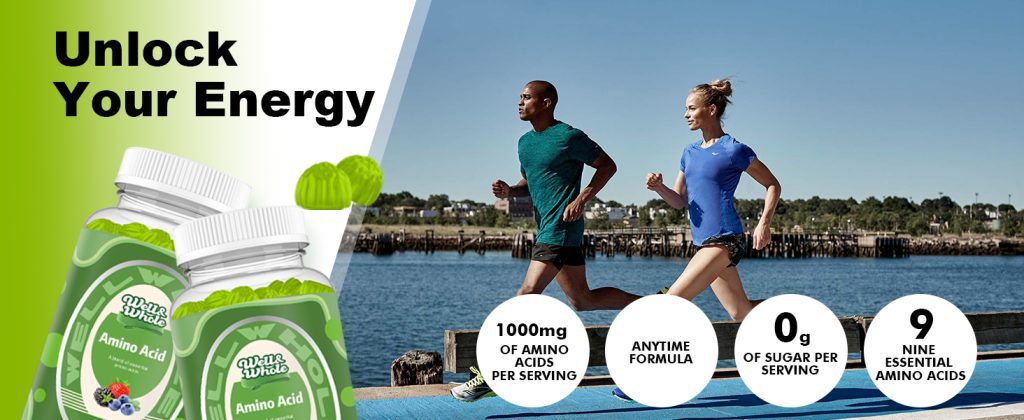
Common Methods Used to Separate Amino Acids
1. Chromatography Techniques
Chromatography stands out as one of the most versatile and widely used amino acid separation methods. In High-Performance Liquid Chromatography (HPLC), for instance, amino acids are separated based on their molecular structures and chemical properties. This method offers high precision and scalability, making it ideal for both research and commercial applications. Statistics reveal that over 70% of pharmaceutical companies rely on HPLC methods for amino acid purification.
Meanwhile, Ion-Exchange Chromatography works by using charged resin columns to exploit the varying isoelectric points of amino acids. This technique is particularly effective for separating similar amino acids with minor differences in structure.
2. Capillary Electrophoresis (CE)
Capillary Electrophoresis uses electric fields to separate amino acids effectively based on their size and charge. This method is known for its high throughput and speed, which enhances productivity—a key benefit for high-demand sectors such as nutritional supplement production by brands like Well&Whole.
3. Filtration and Ultrafiltration
Filtration may seem rudimentary, but ultrafiltration systems use carefully calibrated membranes to separate amino acids by molecular weight. This method is less complex and is often used for bulk processing, making it appealing to businesses in the health supplement industry working with high volumes.
4. Precipitation and Crystallization
Chemical precipitation and crystallization techniques allow amino acids to be separated based on their solubility in specific solvents. While straightforward, these methods require fine control over conditions such as temperature and pH. These are generally employed when purity thresholds are less stringent than what chromatography methods deliver.
5. Mass Spectrometry Coupled with Separation Techniques
For precise identification and analysis, Mass Spectrometry (MS) is frequently paired with separation methods like HPLC. This combination facilitates comprehensive profiling of amino acids, ensuring that supplement formulations meet exact specifications.
Key Factors Influencing Successful Separation
Successful amino acid separation hinges on numerous variables, including pH, temperature, charge differences, and solubility properties. To maximize the outcomes:
- Choose the right method: Focus on purity requirements and scale. For brands like Well&Whole, chromatography and CE typically offer the most value.
- Optimize process conditions: Precise control over experimental variables—such as solvent composition and buffer systems—ensures desired purity levels.
- Invest in quality technology: Upgrading to cutting-edge equipment like ultra-high-resolution chromatographs can save time and boost efficiency.
The Importance for Health Supplement Companies
For businesses like Well&Whole, amino acid separation methodologies are directly tied to the product’s integrity. For example, supplements enriched with branched-chain amino acids (BCAAs) require meticulous separation to ensure consistent dosage and maximum bioavailability. A misstep in separation can tarnish the reputation of a high-performing product, making robust techniques essential for success.
Studies show that 43% of consumers who rely on amino-acid-based nutritional supplements prioritize transparency and measurable efficacy, emphasizing the importance of proper amino acid isolation in formulation. For brands aiming to differentiate themselves in a crowded marketplace, mastering separation techniques and investing in advanced methods are indispensable steps.
Driving Quality Health Products with Expertise
At Well&Whole, our commitment to excellence means partnering with industry leaders and leveraging state-of-the-art amino acid separation techniques to deliver products that genuinely improve health outcomes. Whether you’re seeking superior joint health, heightened energy levels, or optimized cognitive performance, our products are tailored to meet the highest standards—all backed by rigorous separation processes.
By adopting and optimizing cutting-edge amino acid separation methods, you’ll not only enhance the effectiveness of your product but also build consumer trust and achieve a competitive market edge, just like Well&Whole. With health-conscious consumers demanding transparency and quality more than ever before, prioritizing advanced techniques is no longer a choice—it’s a necessity. Don’t just meet expectations; exceed them, through innovation in amino acid processing.