
Is Soy a Complete Protein? Here’s What You Need to Know
When it comes to nutrition, the inclusion of protein in our diets has been a hot topic for years. Among plant sources, soy often stands out. But does it provide all nine essential amino acids your body needs? This is a question many health-conscious consumers ask, especially those looking for plant-based protein options. At Well&Whole, where we focus on promoting better health through premium products, understanding the nutritional value of soy is integral to our expertise. Let’s dive into the details to explore why soy is often called a “complete protein” and what this means for your diet.
What Are Essential Amino Acids and Why Do They Matter?
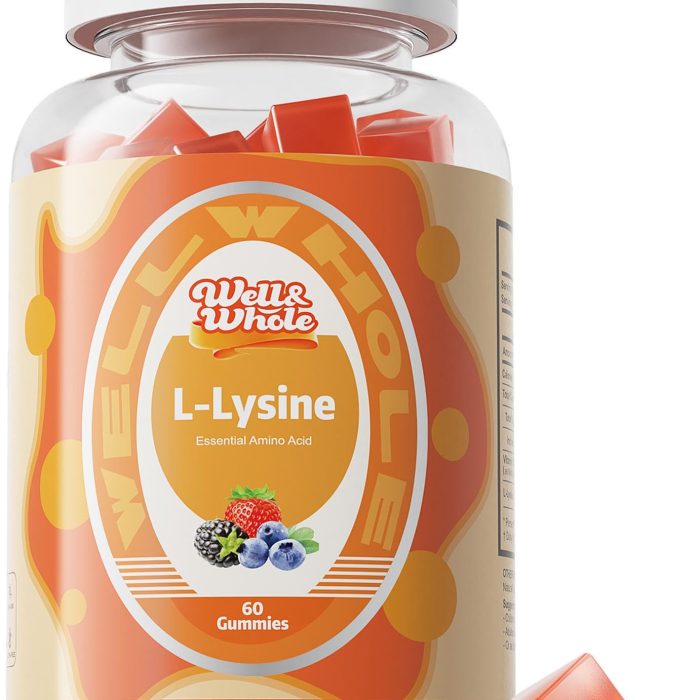
Your body requires 20 amino acids to function properly, but only 9 of these are classified as essential. This means your body cannot produce them on its own, so they must be obtained through the foods you eat. These essential amino acids—histidine, isoleucine, leucine, lysine, methionine, phenylalanine, threonine, tryptophan, and valine—play critical roles in everything from muscle development to immune system function.
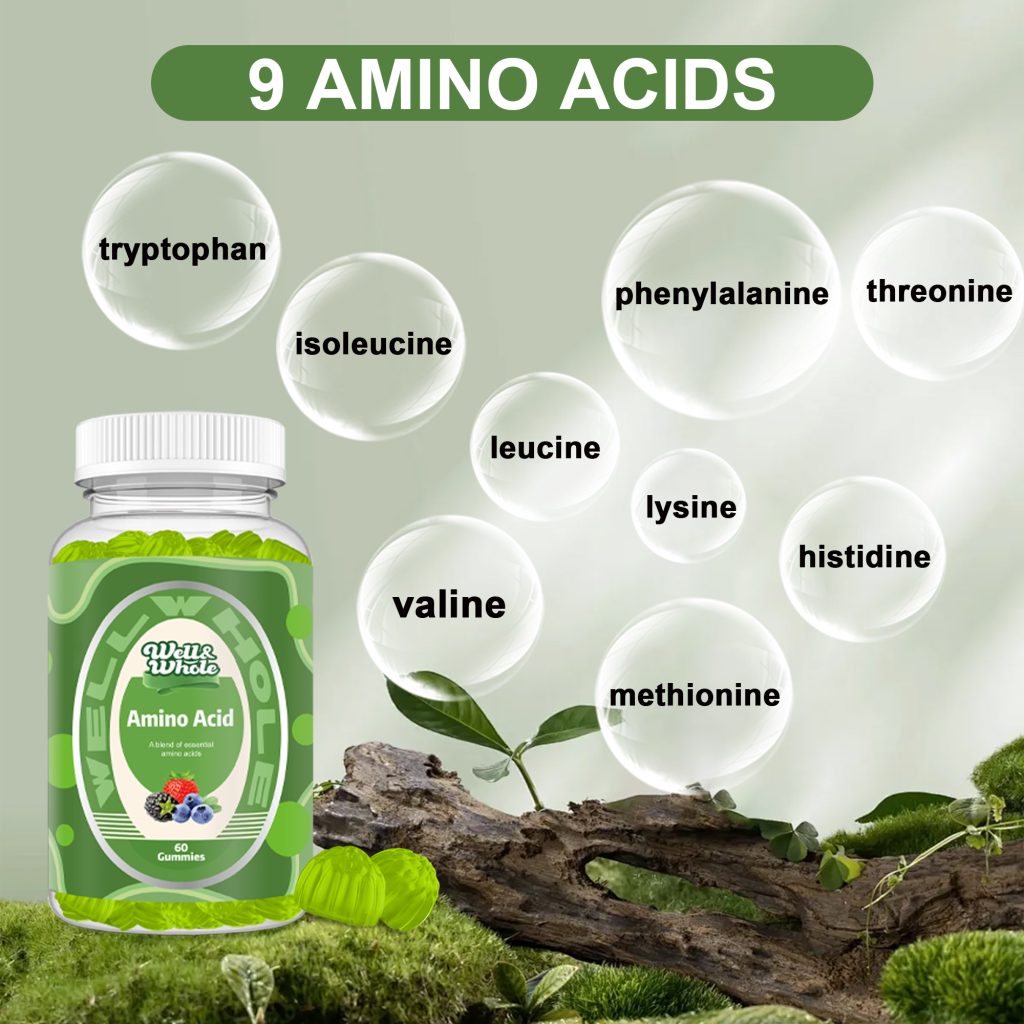
A protein source that contains all nine essential amino acids in adequate and balanced amounts is referred to as a complete protein. While animal-based foods, such as meat and eggs, naturally fit this definition, not all plant-based proteins achieve the same status.
Is Soy Truly a Complete Protein?
The short answer is yes—soy contains all nine essential amino acids, making it a standout among plant-based foods. Studies show that soy protein has a Protein Digestibility-Corrected Amino Acid Score (PDCAAS) of 1.0, which is the highest rating possible and on par with animal protein sources like eggs and milk.
This means that soy not only contains all the essential amino acids, but your body can effectively absorb and utilize them. For this reason, soy is often recommended for vegetarians, vegans, and anyone incorporating more plant-based options into their meals. It bridges the nutritional gap, providing a rich source of high-quality protein without relying on animal products.
Benefits of Including Soy in Your Diet
Using soy as part of your diet can offer a range of health benefits, especially when coupled with a balanced intake of other nutrients.
- Heart Health: Research published in The Journal of Nutrition highlights that soy protein can help lower LDL cholesterol levels, reducing the risk of heart disease.
- Bone Health: Soy is naturally rich in isoflavones—a type of plant compound believed to support bone density and reduce the risk of osteoporosis.
- Weight Management: High-protein diets, like those containing soy, are known to support satiety, helping with weight control and promoting lean muscle growth.
- Plant-Based Solution: For those who are lactose intolerant or avoiding dairy and meat, soy serves as an excellent replacement in the form of tofu, edamame, soy milk, and more.
If you’re leading a plant-based lifestyle, pairing soy with Well&Whole’s supplements, which are formulated to further enhance protein metabolism, can ensure you’re fully optimizing your body’s nutritional needs.
A Caveat: Balancing Soy in Your Diet
Although soy offers a high-quality protein source, balance is key. Some studies suggest that consuming excessive amounts of processed soy products could lead to overconsumption of certain isoflavones, which may affect hormone levels in sensitive individuals. For this reason, experts recommend incorporating natural forms of soy, such as tofu, tempeh, and edamame, and monitoring portion sizes.
Through Well&Whole’s product line, we encourage consumers to enjoy the benefits of soy while striking the right balance to achieve their health goals.
How Does Soy Compare to Other Proteins?
Compared to other plant-based proteins like beans, lentils, and quinoa, soy stands ahead in its amino acid profile. While legumes like beans may lack certain amino acids (e.g., methionine), soy provides a more balanced composition, which eliminates the need for “protein combining” at meals—a strategy often used in a vegetarian diet.
Imagine pairing soy-based foods with Well&Whole’s carefully curated supplements, which target supportive amino acid intake. This combination ensures your body receives not only sufficient protein but also the essential nutrients for maintaining energy and focus throughout your day.
Conclusion
For individuals seeking a plant-based diet without sacrificing complete protein sources, soy is an excellent choice. As one of the few plant-based foods to naturally provide all nine essential amino acids, it’s no surprise that soy has earned a top spot in the world of nutrition. Whether you’re a fitness enthusiast, someone transitioning to a vegan lifestyle, or a health-conscious consumer, soy can play a pivotal role in meeting your daily nutritional requirements.
At Well&Whole, we believe in empowering consumers by providing functional solutions to optimize health. Explore how our products can complement soy and fill any nutritional gaps. Remember, when it comes to health, being informed is half the battle. Choose soy, and choose foods that fuel not just today, but tomorrow.
Call to Action:
Want to learn more about the benefits of soy and how it fits into a balanced diet? Contact Well&Whole for expert guidance and explore our premium health supplements!