
Understanding the Effects of Excess Lysine Consumption
Lysine, an essential amino acid, plays a vital role in many bodily functions, including calcium absorption, collagen production, and immune system support. For many, lysine supplementation offers benefits like reduced cold sore outbreaks and improved muscle health. However, as with many nutrients, too much lysine can potentially lead to adverse effects. Below, we’ll explore the possible risks associated with excessive lysine intake and provide actionable insights for maintaining optimal health.
Why Lysine Intake Requires Balance
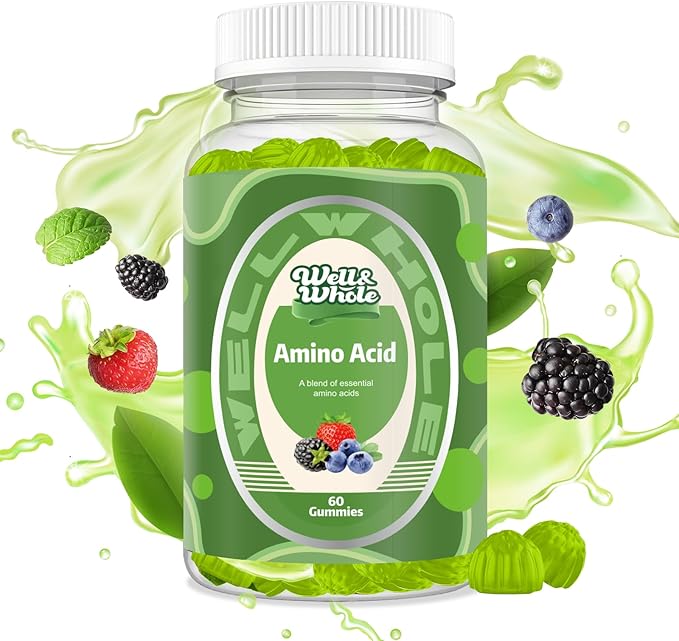
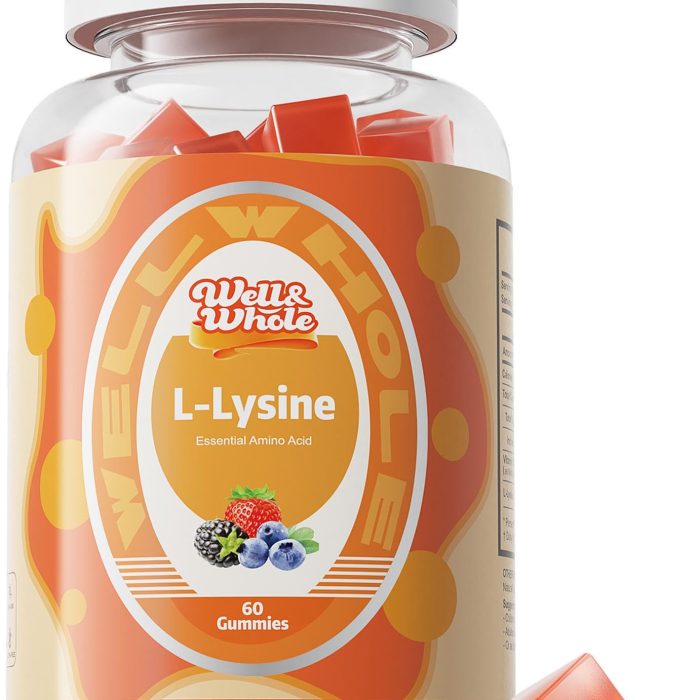
Lysine stands out for its essential role in protein synthesis and tissue repair, making it a popular ingredient in health supplements, including Well&Whole products. While it’s necessary to support your body’s natural functions, an imbalance in lysine consumption can occur in cases of over-supplementation or a diet heavily skewed toward lysine-rich foods. This overconsumption may put undue strain on certain systems, particularly the digestive and renal systems, and diminish the overall benefits of this powerful amino acid.

What Are the Potential Side Effects of Overconsuming Lysine?
- Gastrointestinal Issues
Excess lysine can lead to discomfort in the digestive tract. Common complaints include diarrhea, stomach cramps, and nausea. While mild symptoms may resolve quickly, prolonged high intake could signal deeper digestive imbalances. If you experience persistent discomfort, consulting a healthcare professional is vital. - Kidney Strain
Your kidneys work tirelessly to filter and metabolize nutrients, including excess amino acids. High levels of lysine supplementation may overload the kidneys, increasing the risk of kidney-related stress or, in extreme cases, kidney damage. Individuals with pre-existing kidney conditions should be particularly cautious with lysine supplementation to avoid any complications. - Cholesterol Fluctuations
Some studies suggest lysine might influence cholesterol levels. Excess lysine supplementation could contribute to potential lipid irregularities, primarily by promoting increases in LDL (bad cholesterol). While rare, such a side effect highlights the importance of moderation when introducing any new supplement to your routine. - Gallbladder Discomfort
In less common cases, overconsuming lysine could result in gallbladder complications. Gallbladder pain or bile metabolism irregularities may arise, particularly in individuals predisposed to gallstones or other related conditions.
Individual Sensitivities Matter
It’s critical to note that side effects can vary based on individual health conditions, age, or concurrent use of other supplements or medications. For example, those with hereditary metabolic issues or sensitivities to amino acids may find lysine particularly challenging to tolerate in high doses.
How Much Lysine Is Too Much?
Most research suggests that consuming lysine via food sources poses little risk, as natural foods rarely have excessive quantities. However, with supplements, such as Well&Whole’s targeted formulas, it’s essential to follow the recommended daily allowance (RDA) guidelines. For most adults, this ranges from 1-3 grams per day, depending on age, health conditions, and lifestyle. Exceeding this limit increases the likelihood of experiencing side effects.
Practical Steps to Avoid Overconsumption
- Monitor Your Intake
For those using lysine supplements, track your daily intake carefully to stay within safe limits. Consulting with healthcare professionals before starting any supplementation plan ensures tailored recommendations. - Choose High-Quality Supplements
Products from trusted brands, like Well&Whole, are thoroughly tested for purity and potency. Opting for high-quality supplements ensures your lysine intake supports your health without unnecessary risks. Look for third-party certifications that verify the supplement’s safety and efficacy. - Balance Your Diet
Incorporating a variety of amino acid-rich foods alongside lysine-heavy choices helps balance your overall nutrient intake. Focus on a diet that combines lysine sources with other amino acids, such as arginine, for optimal metabolic harmony.
Conclusion: Striking the Right Balance
Lysine is an incredible nutrient that supports countless physiological processes, but moderation is key. While the symptoms of overconsumption are relatively rare, understanding your body’s needs and seeking professional advice when necessary can truly make a difference. With brands like Well&Whole, you gain access to premium supplements designed to enhance well-being without compromise.
When considering lysine or any amino acid supplementation, remember: the goal isn’t to take as much as possible but to provide your body the exact amount it needs for optimal health. Prioritize balance, invest in quality products, and enjoy the peace of mind that comes from knowing you’re making smart, well-informed health decisions.