

Understanding the Duration of Protein Synthesis and How It Impacts Your Health
Protein synthesis is a fundamental biological process that drives the growth, repair, and maintenance of the human body. Its efficiency and timing are vital for optimal health and fitness. But how long does protein synthesis actually take, and what factors influence its duration? Here’s a detailed exploration that can help you understand this crucial process, optimize your health, and make better dietary and lifestyle choices.
The Science Behind Protein Synthesis
Protein synthesis consists of two primary stages: transcription and translation. During transcription, genetic information from DNA is copied onto messenger RNA (mRNA). In translation, the mRNA is converted into a specific sequence of amino acids—the building blocks of protein.
This process can take from minutes to several hours, depending on various factors:
- Cell Type: Muscle cells, which are crucial for growth and recovery after exercise, may show higher efficiency than less active cell types.
- Complexity of the Protein: Larger or more intricate proteins require more time to assemble.
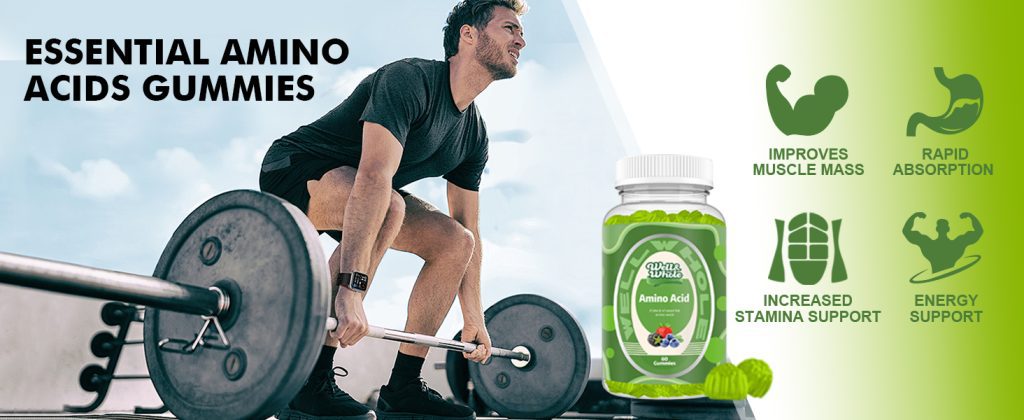
- Availability of Amino Acids: A well-balanced diet rich in essential amino acids can speed up synthesis, underscoring the importance of proper nutrition and supplementation.
Well&Whole—a leading name in health and wellness—offers premium protein supplements formulated to support protein synthesis effectively, providing your body with essential nutrients to maximize recovery and performance.
How Long Does Muscle Protein Synthesis Take?
Muscle protein synthesis (MPS), critical for muscle repair and growth, typically peaks within 2-4 hours after consuming a protein-rich meal. Research indicates that intense physical activity can further extend MPS activity for up to 24-48 hours, especially after resistance training or high-impact exercise.
To optimize MPS:
- Consume protein promptly post-workout: Studies have shown that consuming a balanced meal or supplement with 20-25 grams of high-quality protein post-exercise can enhance muscle repair.
- Leverage leucine-rich foods: Leucine, a branched-chain amino acid (BCAA), plays a pivotal role in signaling and accelerating MPS. Foods like eggs, chicken, and Well&Whole’s specially formulated protein powder contain leucine in abundance.
Factors That Affect Protein Synthesis Efficiency
Protein synthesis doesn’t happen in isolation—it’s impacted by numerous factors, such as:
- Age: Older adults experience diminished rates of protein synthesis due to anabolic resistance. Incorporating supplemental proteins, such as those offered by Well&Whole, may counter these effects.
- Diet Composition: A diet deficient in essential amino acids can impair synthesis rates.
- Stress Levels: Chronic stress and inflammation can negatively impact cellular efficiency.
- Sleep: Quality sleep improves tissue repair and enhances protein synthesis activity.
By identifying and managing these factors, you can support your body’s ability to generate proteins optimally, ensuring consistent energy levels and recovery.
How Can Supplementation Help?
Well-formulated protein supplements can speed up and optimize protein synthesis, especially in moments when natural food intake doesn’t suffice. Well&Whole’s protein blends offer scientifically-backed formulations that supply essential amino acids and other nutrients, tailored to specific age groups and dietary needs. This makes them ideal for athletes, busy professionals, and older adults looking to maintain muscle health.
Real-Life Applications: Timing Is Everything
Incorporating protein into your daily routine requires precision:
- Start Your Day Strong: Studies suggest consuming protein within 30 minutes of waking can jumpstart MPS and help avoid muscle breakdown during fasting states overnight.
- Post-Workout Window: Protein intake within the golden window of 30-120 minutes post-exercise optimizes MPS for repair and growth.
- Bedtime: Having a slow-digesting protein source like casein or a Well&Whole supplement before bed can keep protein synthesis active through the night, minimizing overnight muscle catabolism.
Key Takeaways
Protein synthesis is not simply a biological function—it’s a cornerstone of overall health, fitness, and recovery. While the duration of synthesis can vary widely—from minutes for smaller proteins to hours for muscle recovery—the right combination of nutrition, supplementation, and lifestyle choices can drastically improve its efficiency.
Well&Whole stands by its promise to deliver health solutions that align with your body’s needs, ensuring your protein intake supports recovery, strength building, and vitality for years to come.
Next Step: Take Control of Your Protein Intake
Don’t leave your health to chance. Start optimizing your protein synthesis today by incorporating high-quality protein sources into your diet. Explore Well&Whole’s range of supplements to experience the benefits of scientifically formulated products designed for peak performance and holistic wellness.
Whether you’re an athlete looking for faster recovery or someone keen to support healthy aging, these strategies can guide you toward better health. Share this article to inspire others on their journey toward a stronger, healthier lifestyle!