
Supplements to Lower Cholesterol Evidence Based Guide
Discover evidence based supplements to lower cholesterol safely plus dosages side effects and heart healthy lifestyle tips

Understanding the Lipid Profile: What Are You Trying to Lower?
When you look at your latest blood work, the numbers can feel like a maze of acronyms. If you are exploring supplements to lower cholesterol, you first need to know exactly what we are trying to target. A standard lipid panel measures a few distinct fats in your blood, and each one plays a completely different role in your cardiovascular health.
LDL vs. HDL Cholesterol
We often hear about "good" and "bad" cholesterol, but it helps to understand what these proteins actually do in your body.
- LDL (Low-Density Lipoprotein): This is the primary target for LDL cholesterol reduction naturally. LDL acts like a delivery truck, carrying cholesterol from your liver to your cells. When you have too much of it, it can deposit plaque in your arterial walls, narrowing your blood vessels over time.
- HDL (High-Density Lipoprotein): Think of HDL as the cleanup crew. It travels through your bloodstream, collects excess cholesterol, and brings it back to the liver to be broken down and removed. Higher HDL numbers generally offer better protection for your heart.
Triglycerides Explained
Triglycerides are not cholesterol; they are a type of blood fat that your body uses for energy. When you consume more calories than you burn, your body converts those extra calories into triglycerides and stores them in your fat cells. High triglycerides are a major indicator of sluggish metabolic health and are frequently tied to insulin resistance and a higher risk of heart disease.
The Target Goals
To get a clear picture of where your health stands, we use standard clinical thresholds to categorize your risk. Here is how the medical community defines healthy versus borderline numbers for dietary supplements for high lipids:
| Lipid Type | Optimal / Healthy | Borderline High | High Risk |
|---|---|---|---|
| Total Cholesterol | Less than 200 mg/dL | 200 – 239 mg/dL | 240 mg/dL and above |
| LDL Cholesterol | Less than 100 mg/dL | 130 – 159 mg/dL | 160 mg/dL and above |
| HDL Cholesterol | 60 mg/dL or higher | 40 – 59 mg/dL (Men) 50 – 59 mg/dL (Women) |
Less than 40 mg/dL (Men) Less than 50 mg/dL (Women) |
| Triglycerides | Less than 150 mg/dL | 150 – 199 mg/dL | 200 mg/dL and above |
Knowing these baselines allows us to map out a targeted strategy using specific, proven compounds to shift these metrics back into the safe zone.
Top Tier: Supplements to Lower Cholesterol with Strongest Clinical Evidence
When looking for natural ways to manage a lipid profile, starting with options backed by rigorous clinical data saves both time and money. While the market is flooded with various cardiovascular health supplements, only a few consistently demonstrate significant results in clinical trials.
Focusing on these top-tier, evidence-based options provides a reliable foundation for any natural LDL cholesterol reduction strategy.
1. Plant Sterols and Stanols (Phytosterols) for Lipid Reduction
Plant sterols and stanols, collectively known as phytosterols, are molecularly similar to cholesterol. Because of this structure, they compete with cholesterol for absorption in the digestive tract. When taking a dedicated cholesterol support supplement, these plant compounds block real cholesterol from entering the bloodstream, causing the body to excrete it instead.
- How They Work: They bind to cholesterol receptors in the intestines, effectively locking out both dietary cholesterol and the cholesterol produced naturally by the liver.
- Expected Results: Clinical data shows that a daily intake of 2 grams of plant sterols or stanols can lower LDL cholesterol by 8% to 10%.
- Best Practices: For maximum efficacy, take phytosterols with your largest meals of the day, as they require dietary fat to optimize their blocking mechanism.
2. Soluble Fiber & Psyllium Husk Dosage for Cholesterol
Soluble fiber acts like a sponge in the digestive system. It binds to bile acids—which are rich in cholesterol—and carries them out of the body. To replace these lost bile acids, the liver is forced to pull LDL cholesterol directly from the bloodstream, effectively lowering circulating lipid levels.
| Supplement Type | Recommended Daily Dosage | Clinical Impact on LDL |
|---|---|---|
| Psyllium Husk | 5 – 10 grams daily | 5% to 7% reduction |
| Beta-Glucan (Oats/Barley) | 3 – 5 grams daily | 3% to 5% reduction |
| Methylcellulose | 4 – 6 grams daily | Varied; mild reduction |
Using standard soluble fiber supplements for heart health is one of the easiest, most accessible lifestyle shifts to implement. When escalating your daily psyllium husk dosage for cholesterol management, always increase water intake proportionally to prevent digestive discomfort and ensure smooth processing through the GI tract.
Tier 2: The Complex Alternatives (High Efficacy, Notable Cautions)
While first-line options are great for minor adjustments, these secondary supplements to lower cholesterol offer much stronger lipid-lowering power. However, their potency means they come with significant considerations and require a bit more caution.
Red Yeast Rice Monacolin K
Red yeast rice is one of the most effective natural statin alternatives available over the counter. It contains monacolin K, a compound that is chemically identical to the active ingredient in the prescription drug lovastatin.
- How it works: It directly blocks the HMG-CoA reductase enzyme in the liver, which is responsible for producing cholesterol.
- The benefit: It can lead to a significant LDL cholesterol reduction naturally, often dropping levels by 15% to 25%.
- The caution: Because it acts like a statin, it carries the same potential side effects, including muscle aches and liver enzyme changes. Product consistency can also vary wildly between brands.
Berberine for Lipid Metabolism
Berberine is a bitter botanical compound that has gained massive traction for its multi-purpose metabolic benefits. It targets entirely different pathways than statins, making it an excellent alternative or complementary option.
- Mechanism of action: It upregulates LDLR (low-density lipoprotein receptors) in the liver, helping your body clear out circulating LDL cholesterol more efficiently.
- Metabolic bonus: Beyond managing dietary supplements for high lipids, berberine improves insulin sensitivity and helps regulate blood sugar levels.
- Usage tip: It can cause GI upset in some users, so it is best taken in divided doses with meals.
| Supplement | Primary Target | Expected Impact | Key Side Effect Note |
|---|---|---|---|
| Red Yeast Rice | LDL Cholesterol | High reduction (15-25%) | Muscle fatigue, identical to statin risks |
| Berberine | LDL & Triglycerides | Moderate to high reduction | GI distress, cramping |
Tier 3: Support Agents (Triglyceride Focus & Side Effect Management)
While managing your overall lipid profile often requires a multi-pronged approach, specific supplements to lower cholesterol excel at targeting triglycerides or managing the standard therapies your doctor prescribes.
Best Fish Oil for Triglycerides (Omega-3 Fatty Acids)
If your main metabolic concern is high triglycerides rather than isolated LDL, omega-3 fatty acids are the undisputed heavy hitters.
- How They Work: High-quality fish oil lowers the liver's production of very-low-density lipoproteins (VLDL), which directly reduces circulating triglyceride levels.
- The Right Dosage: Clinical efficacy typically requires 2 to 4 grams of combined EPA and DHA daily.
- What to Look For: Look for highly concentrated formulations to avoid swallowing a dozen pills a day. Ensuring your supplement source utilizes clean, molecularly distilled oils prevents heavy metal contamination and minimizes that unwanted fishy aftertaste.
CoQ10 for Statin Side Effects and Muscle Aches
For many individuals trying to optimize their cardiovascular health supplements regimen, prescription statins are a necessity. However, statins can deplete the body's natural levels of Coenzyme Q10 (CoQ10), frequently leading to muscle fatigue, soreness, and cramping.
- The Solution: Supplementing with CoQ10 helps replenish cellular energy production within muscle tissue.
- Target Dosage: A daily dose of 100mg to 200mg of Ubiquinol (the highly bioavailable form of CoQ10) is the standard recommendation to combat statin-induced myalgia.
- The Result: It allows you to maintain your doctor-prescribed cholesterol routine without the debilitating physical discomfort.
The Wildcards: Overhyped Supplements to Lower Cholesterol with Mixed or Weak Evidence
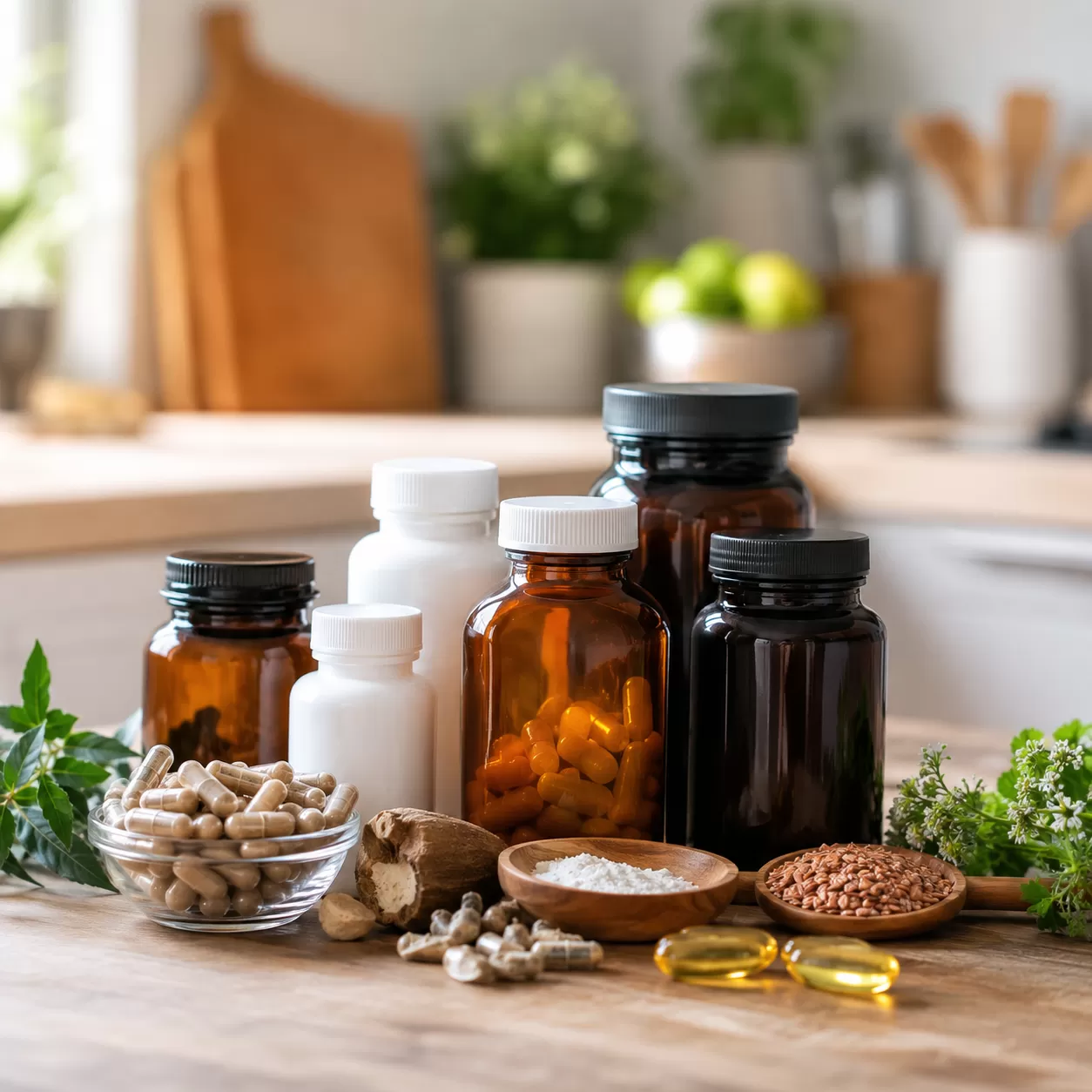
When you are looking for supplements to lower cholesterol, it is easy to get caught up in the marketing hype. While some natural remedies have solid clinical backing, others fall into a gray area. They might offer general health perks, like supporting vascular health or aiding a healthy lymphatic system, but their direct impact on your lipid numbers is often modest or completely negligible. Let's separate the facts from the marketing noise on three popular options.
Garlic Supplements and Long-Term Lipid Scores
Garlic is frequently praised as a cure-all for cardiovascular health supplements, but the clinical reality is disappointing for high lipids. While aged garlic extract can slightly improve blood vessel elasticity and blood flow, its long-term impact on fasting cholesterol levels is minimal.
- The Reality: Clinical studies show that garlic supplements provide only a temporary, minor drop in total cholesterol, which usually disappears after a few months.
- The Verdict: Great for cooking and mild blood pressure support, but unreliable for significant LDL reduction.
Flaxseed Oil vs. Whole Ground Flaxseed for Cholesterol Reduction
Flaxseed is a nutritional powerhouse, but how you consume it matters. Many people swap out whole seeds for flaxseed oil pills, assuming it is a shortcut to better lipid metabolism.
- Flaxseed Oil: Packed with Alpha-Linolenic Acid (ALA), an omega-3 fatty acid. It helps with general inflammation but lacks the structural components needed to bind cholesterol in the gut.
- Whole Ground Flaxseed: Contains heavy amounts of soluble fiber and lignans. These components physically trap bile acids in your digestive tract, forcing your liver to pull cholesterol out of your bloodstream to make more.
- The Verdict: Skip the expensive oil capsules. Stick to real, ground flaxseed if your goal is an active LDL cholesterol reduction naturally.
Green Tea Extracts vs. Brewed Green Tea
Green tea is rich in epigallocatechin gallate (EGCG), a powerful antioxidant that can slightly interfere with cholesterol absorption. However, downing highly concentrated over-the-counter cholesterol lowerers in the form of green tea extracts carries a hidden risk.
- Extracts: High doses of green tea extract pills have been linked to liver toxicity and metabolic strain in some users.
- Brewed Tea: Drinking 2 to 3 cups of traditional brewed green tea delivers a safe, steady stream of antioxidants that support cellular health without overloading your organs.
- The Verdict: Stick to the mug. The minor lipid benefits of extracts do not outweigh the potential liver risks.
Navigating the Supplement Marketplace Safely
Buying supplements to lower cholesterol isn't as straightforward as picking up a prescription. Because the wellness market can feel like the Wild West, you need a smart strategy to protect both your wallet and your cardiovascular health.
The Regulation Gap: Dietary Supplements and the FDA
In the United States, the FDA does not approve dietary supplements for safety and effectiveness before they hit the shelves. Manufacturers are entirely responsible for their own quality control. This means a bottle labeled as a natural cholesterol lowerer might not contain the exact dosage listed, or worse, it could contain unlisted fillers.
The Gold Standard: Third-Party Tested Heart Supplements
Never buy blindly. To ensure you are getting clean, potent ingredients, look for third-party tested heart supplements. Independent organizations test these products to verify that what is on the label is actually in the bottle.
Look for these specific seals on the packaging:
- USP (U.S. Pharmacopeia): Verifies ingredient accuracy, purity, and sanitary manufacturing.
- NSF International: Ensures the product contains no undeclared contaminants or harmful levels of heavy metals.
- ConsumerLab: Validates product quality and clinical dosing accuracy.
For those looking to support overall cardiovascular health with clean, nutrient-dense options, incorporating high-quality whole-food formulas like grass-fed beef organ supplements can provide targeted, bioavailable nourishment for the heart and vascular system.
Medication Interactions and Prescription Risks
Natural does not mean risk-free. Many over-the-counter options alter how your body absorbs or processes prescription medications.
| Supplement Type | Potential Prescription Risk |
|---|---|
| Soluble Fiber Supplements | Can bind to prescription drugs (like statins or thyroid medication) and reduce their absorption. Take them at least 2 hours apart from medications. |
| High-Dose Fish Oil | Has mild blood-thinning properties. Combining it with prescription blood thinners (like Warfarin or Coumadin) increases bruising and bleeding risks. |
| Red Yeast Rice | Contains natural monacolin K. Mixing it with prescription statins can double your dose and cause severe muscle damage or kidney issues. |
Natural Remedies for Hypercholesterolemia FAQs
Can I replace my prescription statin with red yeast rice?
No, you should not swap your prescription statin for red yeast rice without talking to your doctor first. Red yeast rice monacolin K is the active ingredient that works just like a natural statin, but over-the-counter options lack consistency. The amount of monacolin K can vary wildly from bottle to bottle, and some batches even contain contaminants. Stick with your prescription for a reliable, measured dose.
How long does it take for soluble fiber supplements to lower LDL?
You can usually start seeing an LDL cholesterol reduction naturally within 4 to 6 weeks of daily use. For the best results, consistency is key. Taking a daily psyllium husk dosage for cholesterol traps bile acids in your digestive system, forcing your liver to pull cholesterol out of your bloodstream to make more.
Are over-the-counter cholesterol lowerers safe to mix with blood thinners?
| Supplement Type | Potential Interaction | Risk Level |
|---|---|---|
| Best fish oil for triglycerides | Can increase anti-clotting effects | High (Bleeding risk) |
| Garlic extracts / CoQ10 | May alter clotting times | Moderate |
| Soluble fiber supplements for heart health | Can bind to medications and decrease absorption | Moderate (Space them out) |
Many over-the-counter cholesterol lowerers pose serious bleeding risks or reduce the effectiveness of prescription blood thinners. Always run your cardiovascular health supplements by your physician before mixing them with any prescription regimen.