
How Pumpkin Seed Oil Supports Stronger, Fuller Hair
Pumpkin seed oil has quietly become one of the most talked‑about natural options for supporting healthier, fuller hair. For many people, the real question isn’t just whether it works, but how pumpkin seed oil to take for hair growth in a safe, consistent way that fits everyday life. As a nutrition‑focused trade company in the supplements space, Well&Whole pays close attention to research, dosage patterns, and practical usage so that customers can get real, measurable benefits rather than chasing hype.
Below you’ll find a clear guide on how pumpkin seed oil may help your hair, how much to take, and how to combine internal and topical use for the best possible results.
Why Pumpkin Seed Oil Is Linked To Hair Growth
Pumpkin seed oil is rich in plant sterols, essential fatty acids, and antioxidants that may protect hair follicles from damage and support a healthy scalp environment. One of the most discussed mechanisms is its potential to help balance the DHT (dihydrotestosterone) pathway, a hormone linked to pattern hair thinning in both men and women.
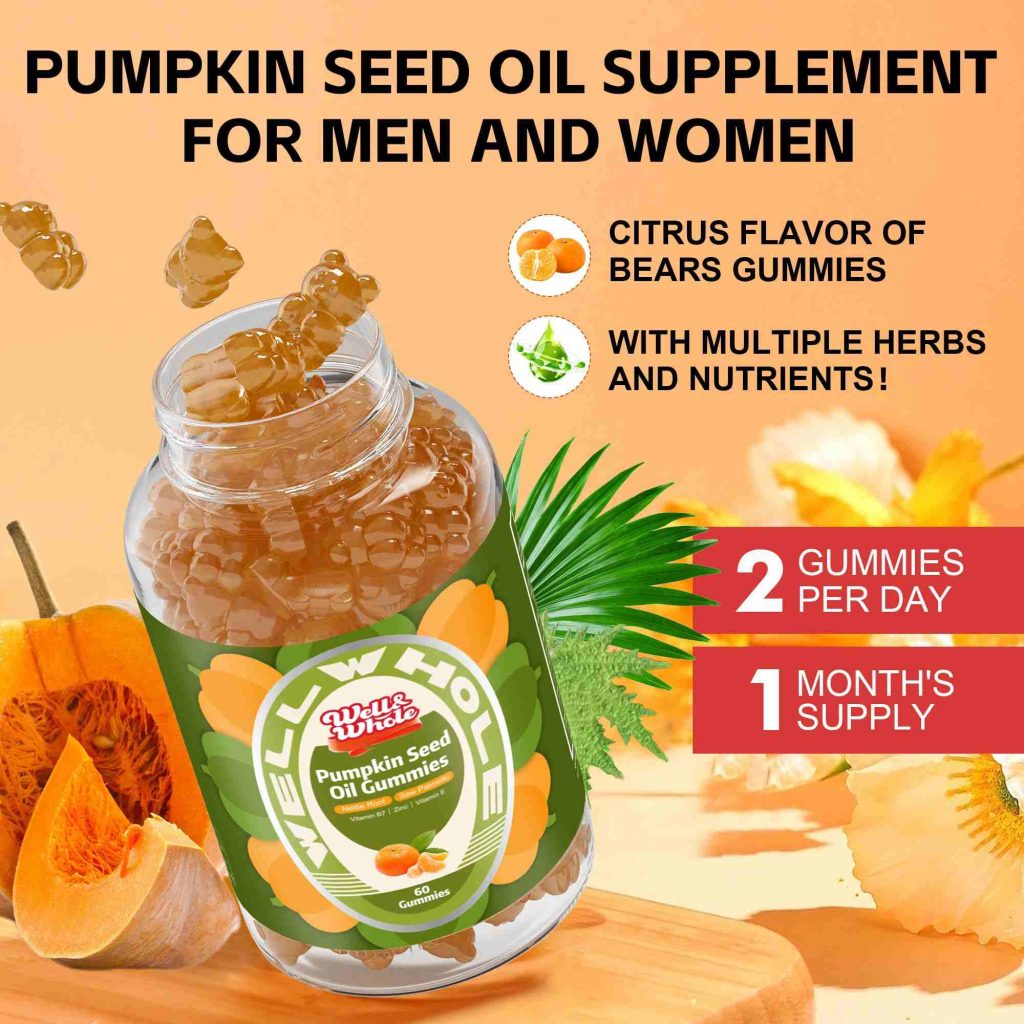
When you look into how pumpkin seed oil to take for hair growth effectively, it’s important to understand the “why” behind it:
- Fatty acids (omega‑6 and omega‑9) help maintain the scalp’s natural barrier and reduce dryness or irritation.
- Vitamin E and other antioxidants may protect hair follicles from oxidative stress and environmental damage.
- Phytosterols are believed to interact with enzymes involved in DHT production, which may make pumpkin seed oil helpful for thinning hair and receding hairlines.
In practical terms, pumpkin seed oil doesn’t act like a quick cosmetic fix. Instead, it supports the underlying health of your scalp and hair follicles over time. That’s why how often you take pumpkin seed oil for hair growth and how consistently you use it can matter just as much as the dose.
Section summary: Pumpkin seed oil is valued for its fatty acids, antioxidants, and potential DHT‑balancing effects. These properties explain why people use it as a natural remedy for thinning hair, a gentle option for hair loss prevention for men and women, and an everyday supplement for scalp health and hair strength.
How Much Pumpkin Seed Oil To Take Daily
When people ask how pumpkin seed oil to take for hair growth, they usually want a straightforward answer on dosage. While there is no single “official” dose that fits everyone, available studies and real‑world use give a practical range you can discuss with a health professional.
Common oral dosage ranges
- Softgel supplements: Many products provide around 500–1,000 mg per capsule. A typical daily intake is 1,000–2,000 mg total, often split into two doses with meals.
- Liquid oil: If you use a liquid version, that’s usually 1–2 teaspoons (5–10 ml) per day, taken directly or mixed into food such as smoothies or salads.
The key is consistency. Hair grows slowly, and nutrient‑based approaches work over weeks and months, not days. Most people aim for at least 3–6 months of regular use before expecting visible changes in hair thickness and fullness.
How to start safely
- Begin at the lower end of the range for the first 1–2 weeks to see how your body responds.
- Take pumpkin seed oil with food to support absorption and reduce any chance of digestive discomfort.
- If you already use other oils or fat‑based supplements, keep your total daily fat intake in mind when deciding on a long‑term dose.
Well&Whole encourages customers to talk with a healthcare professional before starting any new supplement, especially if they take medications or manage ongoing health conditions.
Section summary: A practical intake for many adults is 1,000–2,000 mg of pumpkin seed oil daily, with food, over several months. This steady approach fits well as a natural supplement for hair growth, supports long‑term hair regrowth strategies, and aligns with a broader hair and scalp wellness routine.
Best Ways To Take Pumpkin Seed Oil For Hair Benefits
The “best way” depends on your lifestyle and preferences, but most people choose between capsules, liquid oil, or a combination of internal and topical use.
1. Capsules or softgels
Capsules are the most convenient option for those who want a measured, tasteless dose:
- Easy to take consistently, even on busy days
- Helpful if you dislike the taste or texture of oils
- Simple to track daily intake
Many Well&Whole partners offer standardized pumpkin seed oil capsules so that the amount per serving is clearly defined and easy to incorporate into a daily supplement stack.
2. Liquid pumpkin seed oil
If you enjoy functional foods, liquid oil can be a versatile part of your diet:
- Mix 1–2 teaspoons into smoothies, yogurt, or salad dressings
- Avoid high‑heat cooking, which may damage delicate fatty acids
- Store it in a cool, dark place to protect the oil from oxidation
Some users feel that integrating pumpkin seed oil into actual meals helps them remember to take it daily, which is crucial for hair growth and thickness over time.
3. Combining internal and topical use
While most research focuses on oral intake, many people like to combine it with topical scalp care:
- Blend a small amount of pumpkin seed oil with a carrier oil (such as jojoba) and massage it into the scalp for 5–10 minutes, 1–3 times per week
- Leave it on for at least 30 minutes before washing, or use it as an overnight treatment if your scalp tolerates oils well
- Patch test on a small area of skin first to check for any sensitivity
This combined approach supports hair from within while giving the scalp extra moisture and protection on the outside.
Section summary: Choose capsules for simplicity, liquid oil for food‑based routines, or pair both with gentle scalp massage. This flexible approach makes it easier to stick with daily pumpkin seed oil for hair regrowth, create a sustainable hair thickening routine at home, and maintain a consistent natural hair care ritual.
How Long To Take Pumpkin Seed Oil And What To Expect
When planning how pumpkin seed oil to take for hair growth, it helps to set realistic expectations. Hair grows at an average rate of about 1–1.5 cm per month, and any change in thickness or density usually appears gradually.
Typical timeline
- First 4–8 weeks: You may notice changes in scalp comfort or dryness, but visible hair changes are usually subtle.
- After 3–6 months: This is when people most often report improvements in fullness, volume, or reduced shedding, especially when they’re consistent with dosage and overall nutrition.
- Beyond 6 months: Pumpkin seed oil can be used as an ongoing part of a broader hair health plan, alongside balanced diet, stress management, and gentle hair care practices.
Factors that influence results
- Overall diet and protein intake
- Hormonal balance and underlying health conditions
- Genetics and age
- Use of other supportive ingredients like biotin, zinc, or saw palmetto (under professional guidance)
Well&Whole views pumpkin seed oil as one piece of a complete hair health strategy, not a stand‑alone cure. For many users, adding it to a well‑structured routine is more effective than relying on it alone.
Section summary: Plan on at least 3–6 months of steady use before judging results, and think of pumpkin seed oil as part of a broader long‑term hair health plan, a supportive strategy for hereditary hair thinning, and a consistent routine for promoting thicker, healthier hair.
Safety, Quality, And Choosing The Right Product
Any time you consider how pumpkin seed oil to take for hair growth, it’s just as important to think about quality and safety.
Check for quality markers
- Look for products made from pure, cold‑pressed pumpkin seed oil without unnecessary fillers.
- Choose brands that follow Good Manufacturing Practices (GMP) and, ideally, third‑party testing.
- Review labels for clear dosage information and allergen statements.
Who should be cautious
- People on medications (especially for hormones or blood thinners) should speak with their doctor.
- Individuals with known allergies to seeds or plant oils should proceed carefully or avoid use.
- Pregnant or breastfeeding women should seek professional guidance before using any concentrated supplement.
At Well&Whole, we focus on building long‑term relationships with manufacturers and customers. That means prioritizing verified sourcing, clear labeling, and realistic usage guidance over unrealistic promises. High‑quality pumpkin seed oil, taken correctly, becomes a reliable part of a daily wellness routine instead of a confusing, one‑time experiment.
Section summary: Choose pure, well‑tested pumpkin seed oil and align its use with your personal health needs. This careful approach supports safe natural hair growth supplementation, helps build a trustworthy hair health supplement regimen, and encourages responsible use of pumpkin seed oil for hair support.
FAQ
1. How long does it take for pumpkin seed oil to work for hair growth?
Most people need at least 3–6 months of consistent daily intake to notice visible changes in thickness or reduced shedding. Scalp comfort may improve sooner, but hair grows slowly, so patience and routine are essential.
2. Is pumpkin seed oil better taken as a capsule or as a liquid for hair benefits?
Both forms can be effective. Capsules are convenient and easy to dose, while liquid oil works well if you like adding it to food. The most important factor is choosing a high‑quality product and taking it regularly with meals.
3. Can I use pumpkin seed oil directly on my scalp for hair growth?
Yes, many people apply it topically in addition to taking it orally. Dilute pumpkin seed oil in a carrier oil, massage it gently into the scalp, leave it on for at least 30 minutes, and then wash as usual. Combine this with internal use and overall healthy habits for the best chance of supporting stronger, fuller hair over time.