
Best Pumpkin Seed Oil Supplements For Hair Growth: What Really Works?
Pumpkin seed oil has quietly moved from the kitchen to the bathroom shelf, becoming one of the most talked‑about natural options for supporting fuller, stronger hair. For health‑focused buyers and trade partners alike, understanding how to choose the best pumpkin seed oil supplements for hair growth is no longer a nice‑to‑have; it is a competitive advantage. As a nutraceutical trading company, Well&Whole focuses on bringing together science, sourcing, and brand strategy so that consumers can trust what they are putting into their bodies.
Below, we break down how pumpkin seed oil works for hair, what to look for in a supplement, and how to position premium formulas in a crowded marketplace.
How Pumpkin Seed Oil Supports Hair Growth
Pumpkin seed oil is rich in phytosterols, essential fatty acids, vitamin E, and antioxidants. These compounds may support hair in several ways:
- They can help modulate DHT (dihydrotestosterone), a hormone linked with pattern hair loss.
- They support scalp circulation and barrier function, which improves the environment where hair follicles grow.
- They provide antioxidant protection that may reduce oxidative stress on follicles.
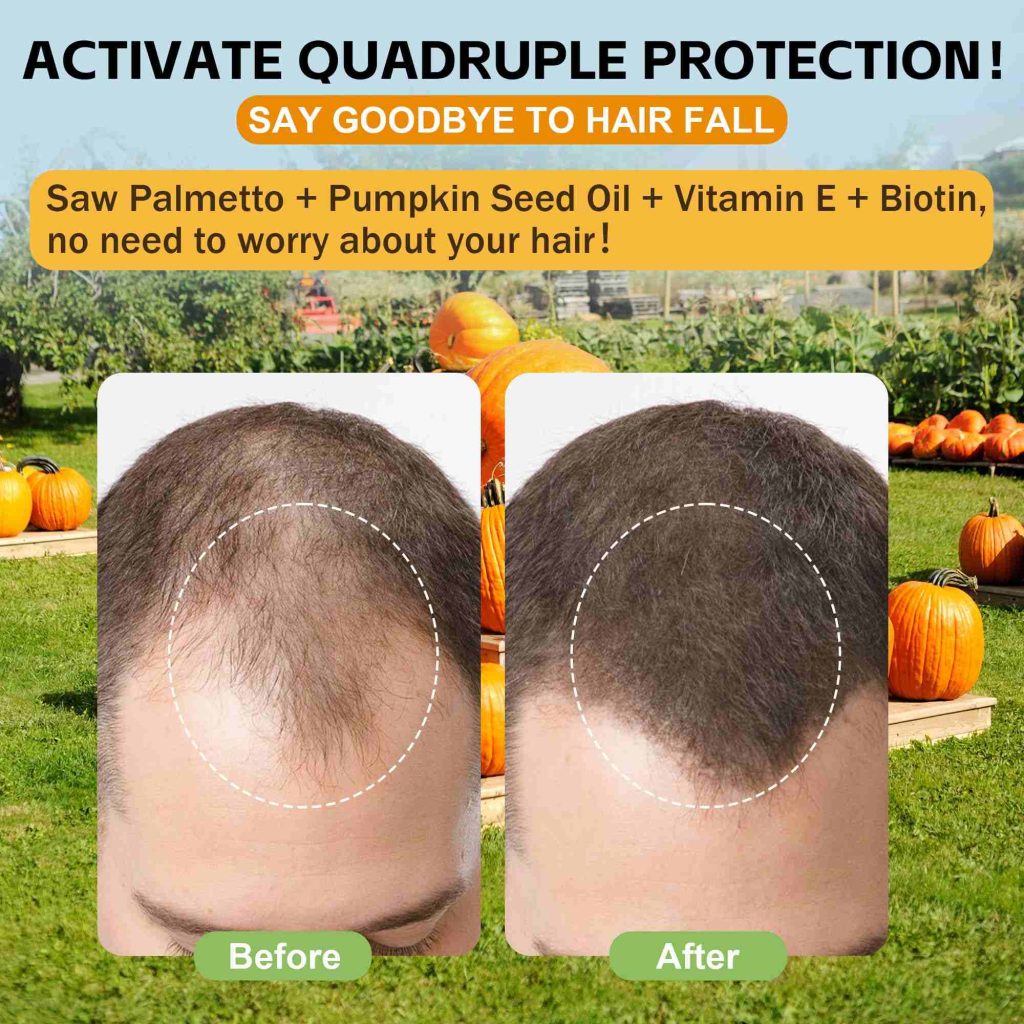
Several small human studies suggest that pumpkin seed oil capsules for hair growth can support thicker, denser hair over time, especially when combined with a generally healthy lifestyle. While the evidence is still growing, the mechanism is biologically plausible and aligns with what customers are already searching for: gentle, plant‑based alternatives to harsh drug treatments.
For distributors and private‑label brands, this creates a clear opportunity: positioning cold‑pressed pumpkin seed oil for hair as a premium, natural addition to a broader hair wellness protocol that also includes diet, stress management, and topical care. The key is to avoid miracle claims and focus on realistic benefits such as supporting hair thickness, shine, and overall scalp health. In summary, pumpkin seed oil is best seen as a supportive long‑term ally in natural hair regrowth supplements for thinning hair rather than a quick fix.
What To Look For In A High‑Quality Pumpkin Seed Oil Supplement
Not all pumpkin seed oil capsules are created equal. To deliver consistent results and build customer loyalty, quality must come first.
Key quality markers include:
- Cold‑pressed extraction: This method avoids high heat and harsh solvents, preserving delicate fatty acids and phytosterols that support hair growth.
- 100% pure pumpkin seed oil: Some low‑cost products blend in cheaper vegetable oils. Clear labeling and third‑party testing help reassure consumers.
- Standardized active components: Whenever possible, look for transparency around phytosterol content or fatty‑acid composition.
- Softgel or capsule stability: Oxygen and light can degrade oils. Dark softgels, proper packaging, and antioxidants like mixed tocopherols can maintain potency.
From a trade perspective, brands like Well&Whole pay close attention to supplier audits, batch‑to‑batch consistency, and regulatory documentation. This not only protects consumers but also helps retailers differentiate premium offerings from generic commodity capsules. When customers search for best pumpkin seed oil capsules for hair growth, they are implicitly asking for safety, traceability, and quality control.
To summarise, high‑quality pumpkin seed oil supplements combine clean sourcing, gentle processing, and transparent testing. Framing these factors clearly in product descriptions helps capture search demand for non‑GMO pumpkin seed oil softgels for hair while building long‑term trust.
Key Formulation Choices: Capsules, Complexes, And Synergy
Once quality is assured, formulation choices determine how a product performs and who it appeals to. Three decisions matter most: format, dosage, and synergy.
- Format – softgels vs. liquid oil
- Softgels and capsules are easy to dose, travel‑friendly, and protect sensitive oils from oxidation.
- Liquid pumpkin seed oil can be drizzled over food, which appeals to customers who prefer a food‑first approach, but it is harder to standardize intake for hair benefits.
- Dosage – aligning with research and tolerance
- Many of the emerging studies use daily amounts in the range of several hundred milligrams up to around 1,000 mg of pumpkin seed oil, taken consistently for several months.
- Brands should provide clear guidance: “Take daily for at least 3–6 months” to support realistic expectations around hair cycles.
- Synergy – combining pumpkin seed oil with other hair nutrients
- Pairing pumpkin seed oil with ingredients like biotin, zinc, or saw palmetto can create a more complete hair growth complex.
- Anti‑inflammatory botanicals and B‑vitamins can further support scalp health and stress resilience.
At Well&Whole, we see a strong market response to multi‑ingredient hair support formulas that still highlight pumpkin seed oil as the hero component. The message to consumers is clear: hair growth is multifactorial, and a well‑designed supplement can address several pathways at once. In conclusion, balanced formulations that combine bioavailable doses with synergistic ingredients offer a strong value proposition for pumpkin seed oil hair growth vitamins and supplements.
How To Compare Brands And Avoid Common Pitfalls
From an end‑user perspective, the supplement aisle is confusing. Many labels look similar, and claims can be exaggerated. Helping consumers compare brands honestly is good for both trust and long‑term sales.
Consider these factors:
- Label transparency: Clear listing of pumpkin seed oil quantity per serving, source country, and any added ingredients.
- Testing and certifications: Third‑party lab tests for purity, heavy metals, and microbiological safety; where relevant, non‑GMO or allergen‑free claims.
- Honest claims: Avoid promising overnight regrowth. Emphasize support for thickness, shine, and long‑term hair wellness.
- Customer education: Simple explanations of how pumpkin seed oil may support hair, combined with realistic timelines, reduce returns and build credibility.
Reputable suppliers like Well&Whole work closely with manufacturers to ensure that every batch matches the label, and that marketing messages align with regulatory guidelines. Educated consumers will actively look for pumpkin seed oil supplements for hair and scalp health that come from brands committed to quality instead of hype.
In short, the safest strategy is to focus on clarity, testing, and realistic expectations. This approach not only protects your brand; it also aligns perfectly with search intent around safe natural supplements for hair growth and thickness.
Practical Tips For Getting The Most From Pumpkin Seed Oil
Even the best supplement cannot outperform an unhealthy lifestyle. For hair‑focused customers, small changes can dramatically improve results.
Practical suggestions:
- Take pumpkin seed oil with meals that contain some fat to support absorption.
- Be consistent; hair cycles are slow, and meaningful changes may take 3–6 months.
- Combine oral supplements with a gentle scalp‑care routine and minimal heat styling.
- Support overall nutrient status with a balanced diet rich in protein, iron, and antioxidants.
From a product positioning standpoint, brands can include straightforward routines on their packaging or websites: for example, a “daily hair wellness ritual” that pairs pumpkin seed oil capsules, a balanced diet, and a mild, sulfate‑free shampoo. This turns a single ingredient into part of a broader lifestyle that customers can stick to.
To wrap up, pumpkin seed oil works best as part of a holistic hair‑care strategy, not in isolation. Communicating this clearly helps consumers experience better outcomes and reinforces confidence in long‑term hair wellness supplements for thinning hair and receding hairlines.
FAQ
- How long does it take to see results from pumpkin seed oil supplements for hair?
Most people need at least 3 months of consistent use before noticing visible changes in hair thickness or shedding. Hair grows in cycles, so allowing 3–6 months is a realistic timeframe when using pumpkin seed oil capsules for hair growth. - Can pumpkin seed oil replace medical treatments for hair loss?
Pumpkin seed oil is a supportive, natural option but should not be seen as a direct replacement for medically prescribed treatments. It can often be used alongside other natural hair regrowth supplements or topical therapies, ideally under guidance from a healthcare professional. - Who should avoid pumpkin seed oil supplements for hair?
Most healthy adults tolerate pumpkin seed oil well, but anyone who is pregnant, breastfeeding, taking medications, or managing a chronic condition should consult a healthcare provider first. Customers with seed allergies should review labels carefully and choose high‑quality pumpkin seed oil supplements for hair and scalp support from trusted brands.