

Managing Lysine, Proline, and Vitamin C Levels Responsibly
For individuals in search of reducing lysine, proline, and vitamin C levels in the body, it’s essential to approach this goal mindfully. These compounds play critical roles in health, from supporting collagen production to bolstering the immune system. However, there can be specific circumstances—such as medical advice or tailored nutritional strategies—where lowering their intake might align with your goals. Let’s explore actionable insights backed by research.
Understanding the Role of Lysine, Proline, and Vitamin C
Lysine and proline are amino acids that form the backbone of collagen synthesis, crucial for skin elasticity, joint health, and wound healing. Vitamin C further enhances collagen production while doubling as a potent antioxidant. Decreasing their levels might be relevant for those managing specific health conditions or optimizing macronutrient ratios for unique body needs.
Key Fact: An overload of certain amino acids and vitamins can sometimes interfere with metabolic pathways, leading to unintended effects like imbalances or health disruptions.

Dietary Adjustments to Lower These Compounds
Reducing lysine, proline, and vitamin C starts with a strategic approach to dietary intake. Below are practical, evidence-informed steps to achieve this:
1. Limit Animal-Based Protein Sources
Animal proteins, such as meat, eggs, and dairy, are rich in lysine and proline. Opt instead for plant-based proteins like lentils, chickpeas, and quinoa, which contain lower concentrations of these amino acids.
- Quick Tip: Switching to proteins derived from grains may naturally reduce lysine levels.
2. Moderate High-Vitamin C Foods
Citrus fruits, bell peppers, and strawberries are among the top contributors to vitamin C intake. While it’s essential to maintain baseline levels to avoid deficiency, individuals aiming to lower their intake might benefit from consuming these foods in moderation.
- Important Note: Avoid eliminating vitamin C entirely, as it plays a critical role in preventing conditions like scurvy.
3. Diversify Your Dietary Sources
Choosing nutrient-dense, low-lysine and low-proline foods, such as grains, leafy greens, and non-citrus fruits, can help achieve dietary balance.
4. Stay Hydrated
Studies suggest that proper hydration supports kidney function, helping regulate nutrient and compound excretion. Drinking enough water can aid in maintaining balanced levels of vitamins and amino acids.
Exercise and Lifestyle Changes
Lifestyle behavior also influences how the body processes these compounds. Incorporating aerobic exercise may impact oxidative stress levels in the body indirectly affecting vitamin C demand.
Additionally, ensuring consistent, moderate activity helps manage metabolic homeostasis, keeping nutrient surpluses in check. Combining exercise and targeted eating habits strengthens long-term results.
Supplement Usage—Choose Wisely
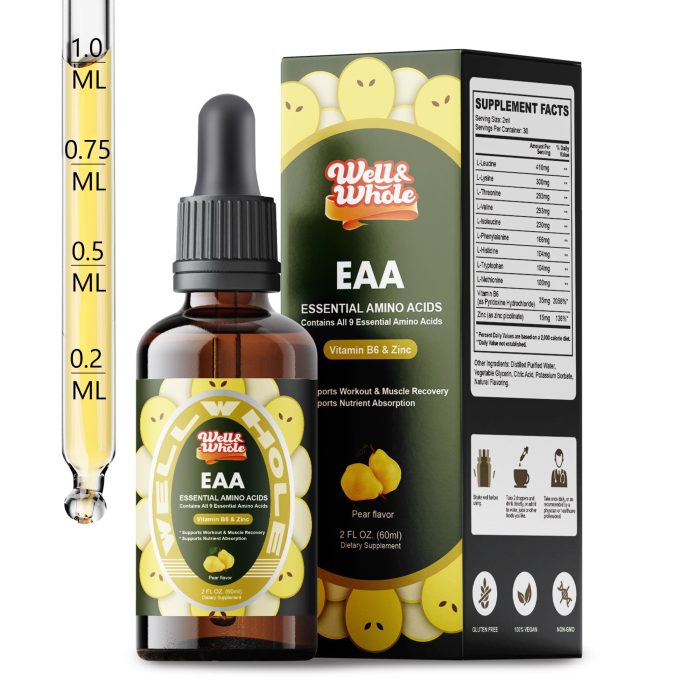
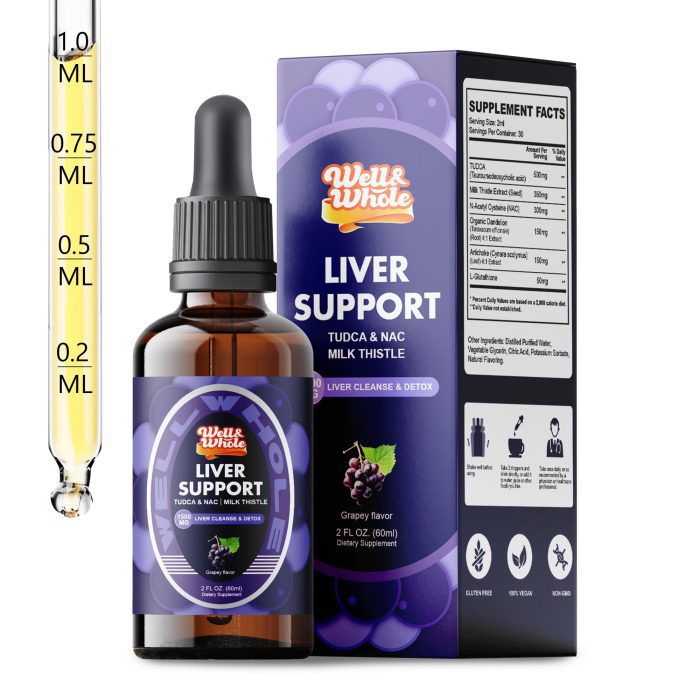
Many consumers rely on supplements to maintain optimal health. At Well&Whole, we specialize in providing tailored nutritional support for diverse health needs. However, if your goal is minimizing lysine, proline, or vitamin C, it’s vital to carefully select products:
- Avoid Over-Fortified Supplements: Supplements rich in lysine, proline, or vitamin C may not align with your reduction goals.
- Seek Balanced Formulas: Look for options designed for moderation to ensure you’re neither overloading nor compromising essential health functions.
Our Well&Whole products prioritize thoughtful formulation, offering a balanced spectrum of nutrients to meet customer demands effectively.
Finding Balance: A Word of Caution
Although reducing levels of lysine, proline, and vitamin C may serve certain purposes, it’s important not to fall into extreme patterns. These nutrients are integral to fundamental body processes, from immune defense to structural cell integrity. Consulting a healthcare professional is always advised to ensure safe and effective strategies tailored to your unique needs.
Final Thoughts
Optimizing lysine, proline, and vitamin C levels in your body is a nuanced process that requires deliberate dietary and lifestyle adjustments. Whether you’re addressing specific health concerns or tailoring your nutrition, the key lies in finding balance rather than elimination.
At Well&Whole, we’re committed to empowering our customers with actionable knowledge and high-quality solutions to encourage mindful living. By adopting a strategic approach and choosing reliable resources, you’ll build the foundation for long-term health and harmony.
Start making informed decisions today with Well&Whole—because your wellbeing matters.