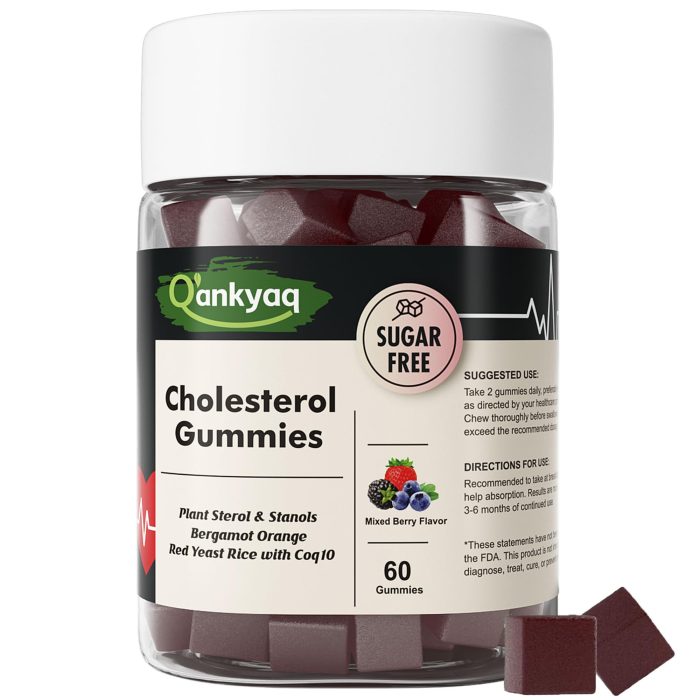

Best Time To Take Red Yeast Rice With CoQ10 For Heart Health Support
When people start looking for natural ways to support cholesterol and heart health, red yeast rice and CoQ10 usually appear at the top of the list. Many doctors and nutrition‑minded consumers now combine the two, and for good reason: they work on related pathways, but from different angles. The question most customers ask us at Well&Whole is not only whether they should take them together, but when is the best time to take red yeast rice with CoQ10 for maximum benefit and minimal discomfort.
Below is a practical, research‑informed guide designed for everyday use, not just for the clinic.
How Red Yeast Rice And CoQ10 Work Together
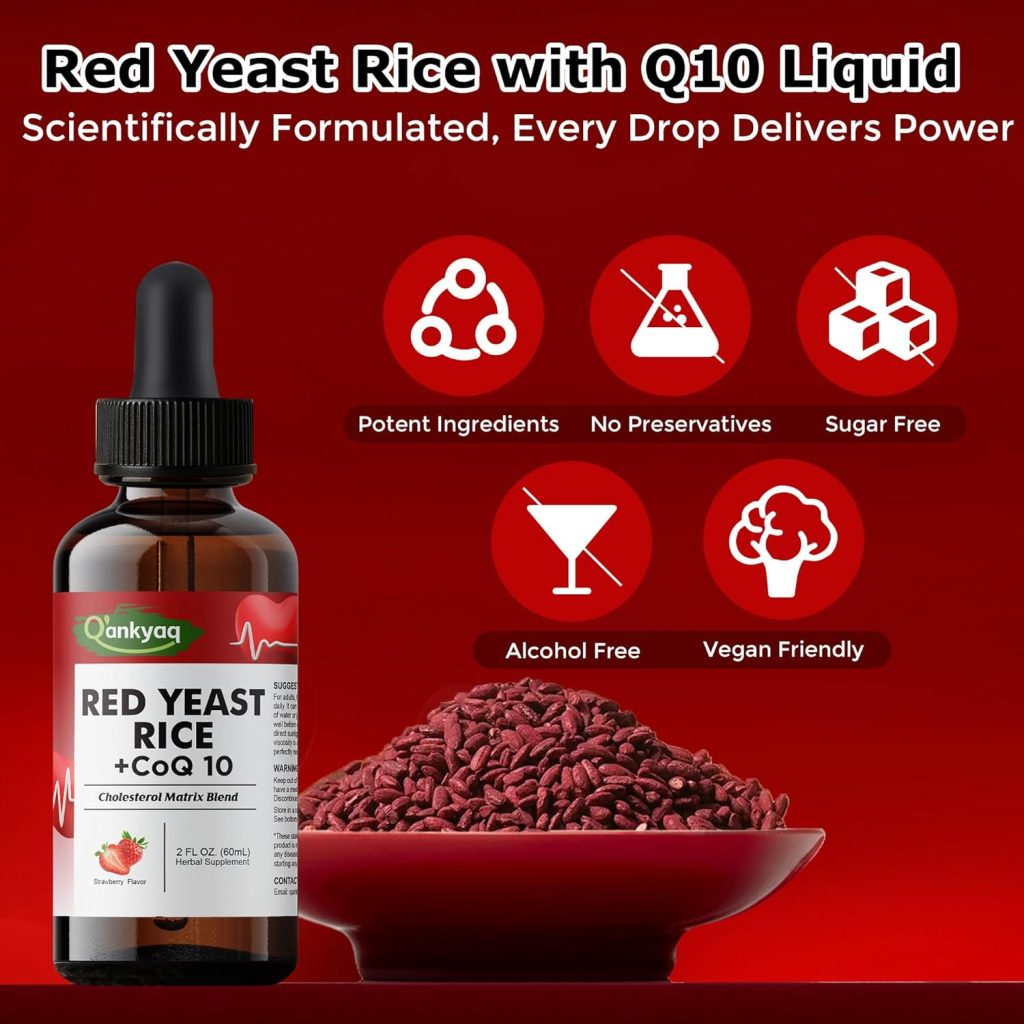
Red yeast rice is a fermented rice product that naturally contains monacolin K, a compound that acts similarly to some cholesterol‑lowering medications. It helps reduce the production of cholesterol in the liver. The upside is effective lipid support; the downside is that this process can also lower natural CoQ10 levels in the body.
CoQ10 (coenzyme Q10) is a fat‑soluble antioxidant that lives in your cells’ mitochondria, where it helps produce energy. It is especially concentrated in high‑energy organs like the heart and muscles. Because red yeast rice can reduce CoQ10, combining the two makes biochemical sense: red yeast rice supports cholesterol balance, while CoQ10 helps protect cellular energy and muscle comfort.
This is why many practitioners now view the pair as a single protocol rather than two separate supplements. From a wellness trade perspective at Well&Whole, we see more and more customers looking specifically for red yeast rice with CoQ10 combination products, often asking how to schedule them safely and effectively in daily life.
In short, red yeast rice and CoQ10 are complementary: one gently slows cholesterol synthesis, the other supports energy production and antioxidant defense. Long‑tail keywords: best red yeast rice and CoQ10 dosage, red yeast rice with CoQ10 for cholesterol support.
The Best Time Of Day To Take Red Yeast Rice
Most traditional and modern guidelines suggest taking red yeast rice in the evening, usually with the largest meal of the day. The reason is simple: your liver makes most of its cholesterol at night, so taking red yeast rice then lines up with the body’s natural rhythm.
A few practical points:
- Take it with food. Red yeast rice can sometimes cause mild stomach discomfort if taken on an empty stomach. A meal helps buffer the digestive tract.
- Evening or bedtime works well. Many users choose dinner or just before bed. Both can be effective, but dinner provides the added benefit of food for better tolerance.
- Consistency matters more than the exact hour. Whether it is 6pm or 9pm, the key is to take it around the same time each day so blood levels are stable.
For people who are sensitive, a lower dose taken with dinner and slowly increased can reduce the chance of muscle aches or digestive issues. From a Well&Whole customer perspective, we often see better tolerance when red yeast rice is taken as part of the evening routine rather than randomly during the day.
In summary, the best time to take red yeast rice is typically in the evening with a substantial meal, which supports both effectiveness and comfort. Long‑tail keywords: best time to take red yeast rice for cholesterol, can you take red yeast rice at night.
When To Take CoQ10 For Better Absorption And Comfort
CoQ10 behaves differently from red yeast rice, so timing follows a different logic. Because CoQ10 is fat‑soluble, it absorbs best when taken with a meal that contains some healthy fats, such as olive oil, avocado, nuts, or oily fish.
Useful guidelines:
- Take CoQ10 with breakfast or lunch. Many people feel more energetic when they use CoQ10 earlier in the day. A morning or midday dose aligns with its role in energy metabolism and can reduce the chance of interfering with sleep in sensitive individuals.
- Always pair it with food containing fat. Even a small amount of fat improves CoQ10 uptake dramatically, making your supplement more cost‑effective.
- Split dosing for higher amounts. If someone is taking a higher CoQ10 dose, dividing it into two smaller portions (for example, breakfast and lunch) can be gentler on digestion.
For those using red yeast rice in the evening, placing CoQ10 earlier in the day can balance the 24‑hour rhythm: cholesterol support at night, cellular energy support during the day. This pattern is popular among health professionals and trade partners we work with at Well&Whole.
In summary, the best time to take CoQ10 is usually with a breakfast or lunch that includes some healthy fat, helping improve absorption and daytime energy. Long‑tail keywords: how to take CoQ10 for better absorption, best time to take CoQ10 for heart health.
How To Schedule Red Yeast Rice With CoQ10 Together
Many people prefer a simple, repeatable routine instead of counting hours and capsules. When combining the two, you have two main strategies: taking them at the same time, or separating them across the day.
Option 1: Take them together with an evening meal
If your schedule is busy and you want maximum simplicity, you can take both red yeast rice and CoQ10 with dinner, especially if dinner is your main meal and includes some healthy fats.
- Pros: Easy to remember, one daily supplement window.
- Considerations: A small percentage of people feel more alert with CoQ10; if that happens, shifting CoQ10 earlier may be better.
This approach still supports good absorption, helps align red yeast rice with nighttime cholesterol production, and keeps the routine manageable.
Option 2: Separate them for a 24‑hour support pattern
For those who are comfortable with two supplement times per day, a staggered schedule can better match natural physiology:
- Morning: Take CoQ10 with breakfast, ideally one that contains some fat.
- Evening: Take red yeast rice with dinner or before bed, with food.
This separation makes theoretical sense: CoQ10 supports daytime energy, while red yeast rice addresses nighttime liver cholesterol synthesis. Many nutritionally focused practitioners and Well&Whole customers find this pattern intuitive and easy to maintain over the long term.
Whichever option you choose, the key is consistency. Skipping days or frequently changing the schedule can make it harder to assess how well the combination works for you.
In summary, the best time to take red yeast rice with CoQ10 depends on your lifestyle, but many people either take both with dinner or split CoQ10 to the morning and red yeast rice to the evening. Long‑tail keywords: how to take red yeast rice and CoQ10 together, red yeast rice and CoQ10 timing schedule.
Safety, Quality, And What To Ask Your Doctor
Even though red yeast rice and CoQ10 are dietary supplements, they still act on meaningful biological pathways, especially cholesterol and energy metabolism. A few precautions are important:
- Talk to your healthcare provider first. If you are already taking statins, other cholesterol medications, blood thinners, or have liver or kidney issues, medical guidance is essential before starting red yeast rice.
- Watch for muscle discomfort or unusual fatigue. While many people tolerate red yeast rice well, muscle aches, weakness, or dark urine can signal a problem and deserve immediate medical attention.
- Choose quality‑controlled products. Red yeast rice quality can vary widely. Look for brands that test for contaminants and control monacolin K content. As a health supplement trade company, Well&Whole continually evaluates suppliers to ensure consistent quality and transparent documentation.
- Monitor cholesterol and liver markers. Periodic blood tests allow you and your practitioner to see whether the regimen is doing what you expect and remains appropriate for you.
CoQ10 is generally well tolerated, but mild digestive upset can occur in some individuals, which is another reason to take it with food. Adjusting timing or splitting the dose usually helps.
In summary, combining red yeast rice with CoQ10 can be a thoughtful, natural strategy for heart and cholesterol support, but professional guidance and quality products are crucial to use them responsibly. Long‑tail keywords: is red yeast rice with CoQ10 safe, red yeast rice and CoQ10 side effects and interactions.
FAQs About Red Yeast Rice And CoQ10
- Can I take red yeast rice and CoQ10 together every day?
For many adults, taking them daily is common, especially when monitored by a healthcare professional. CoQ10 helps compensate for the natural CoQ10 reduction associated with red yeast rice use. However, anyone on prescription medications or with existing health conditions should get medical clearance before starting a daily routine. - Should I take red yeast rice and CoQ10 with or without food?
Both are best taken with food. Red yeast rice is typically taken with an evening meal to support comfort and align with nighttime cholesterol production. CoQ10 absorbs better with a meal that contains some fat, often breakfast or lunch. Taking them with food helps digestion and increases effectiveness. - How long does it take to see results from red yeast rice with CoQ10?
Many people notice changes in cholesterol numbers after about 8–12 weeks of consistent use, though the exact timeline varies. CoQ10’s effects on energy and muscle comfort can appear earlier for some individuals. Regular follow‑up with your healthcare provider, including blood tests, is the best way to evaluate progress and adjust dosage or timing if needed.