
Pumpkin Seed Oil Benefits For Hair Growth
Pumpkin seed oil has quietly become one of the most talked‑about natural ingredients in the hair care world. Cold‑pressed from nutrient‑dense pumpkin seeds, this deep green oil is rich in vitamins, antioxidants, and plant compounds that may support a healthier scalp and fuller‑looking hair over time. For a health‑conscious audience, and especially for those already using nutritional supplements, pumpkin seed oil can be a gentle yet effective part of a holistic hair routine.
As a global nutritional supplement trading company, Well&Whole has seen growing interest from partners and consumers who want science‑backed, natural options to support hair growth from within and from the outside. Understanding how pumpkin seed oil works can help you decide whether it deserves a place in your own daily regimen.
How Pumpkin Seed Oil May Support Hair Growth
Pumpkin seed oil is best known for its potential to support hair in three key ways: helping block DHT, nourishing the hair follicle, and creating a more balanced scalp environment.
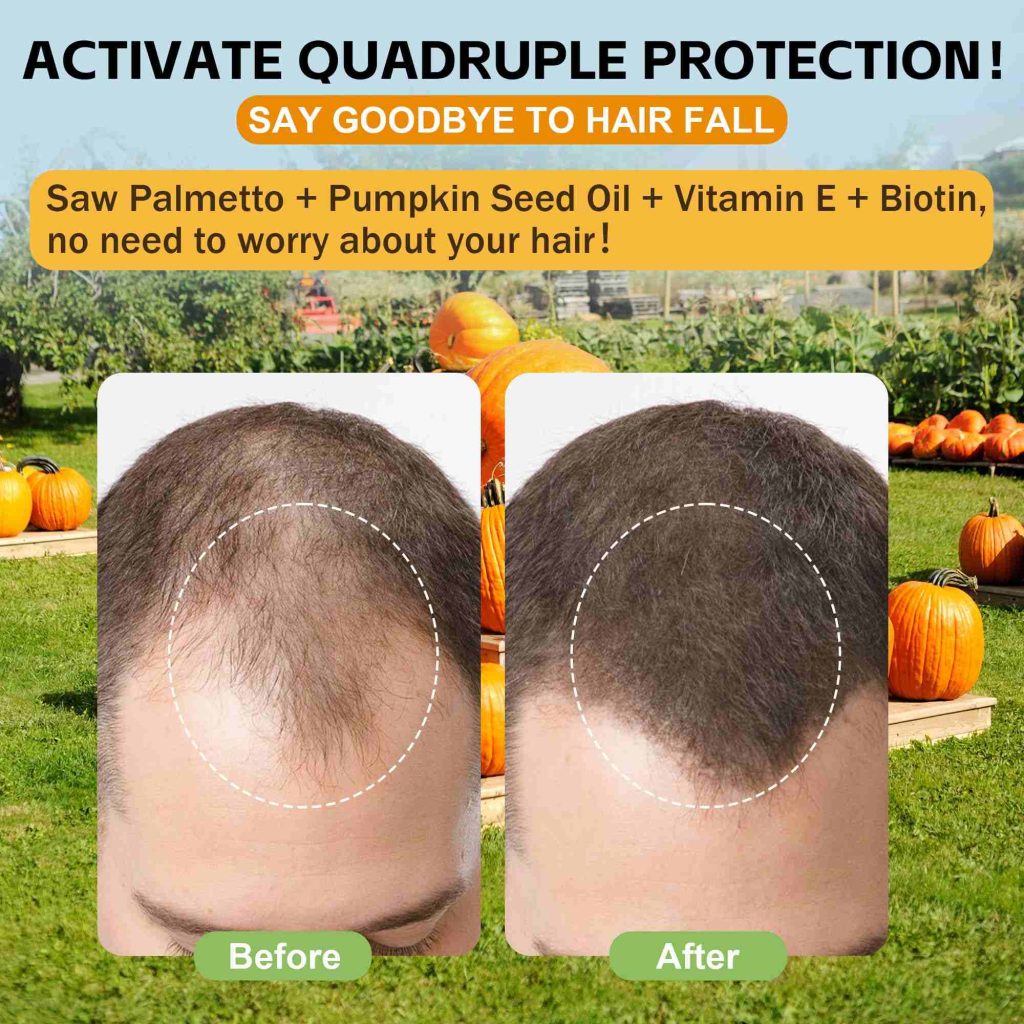
One of the most discussed pumpkin seed oil benefits for hair growth is its possible effect on DHT (dihydrotestosterone), a hormone linked to pattern hair loss. Some emerging research suggests that compounds in pumpkin seed oil may gently inhibit the enzyme 5‑alpha‑reductase, which converts testosterone into DHT. While this is not a cure for hair loss, it may help reduce one of the factors that contribute to thinning hair in both men and women.
Beyond hormones, pumpkin seed oil is rich in essential fatty acids, particularly linoleic and oleic acids. These fats help support the skin barrier and may improve the condition of the scalp, which is the foundation for healthy hair. A calm, well‑nourished scalp is less prone to irritation and dryness, conditions that can interfere with optimal hair growth.
Pumpkin seed oil also contains naturally occurring vitamin E and plant sterols, which act as antioxidants. They help defend scalp and hair follicles from oxidative stress caused by environmental exposure and everyday lifestyle factors. This antioxidant support, combined with healthy fats, makes pumpkin seed oil an attractive option for people who want a more holistic, natural hair growth oil that fits with a wellness‑focused lifestyle.
In short, pumpkin seed oil may support hair growth by moderating DHT, feeding the follicle with beneficial fats, and creating a more resilient scalp — all important factors for anyone researching “pumpkin seed oil for thinning hair”, “pumpkin seed oil for alopecia”, or other natural growth strategies.
Internal Use: Supplements And Functional Nutrition
For many, the easiest way to experience the benefits of pumpkin seed oil is through internal use, either as a pure oil or in softgel supplement form. From a nutritional perspective, it can be a meaningful source of essential fatty acids, fat‑soluble antioxidants, and minor phytonutrients that work together to support both hair and overall health.
Taken as a dietary supplement, pumpkin seed oil offers consistent, measurable intake. This is why many brands and distributors, including Well&Whole, focus on high‑quality sourcing, gentle cold‑press extraction, and stable packaging that protects the oil from heat and light. These quality decisions help preserve the delicate components that may be responsible for its hair‑supportive effects.
It’s important to see pumpkin seed oil as part of a broader nutritional picture rather than a stand‑alone miracle cure. Hair follicles need adequate protein, iron, zinc, B‑vitamins, and a range of other nutrients to function properly. When pumpkin seed oil is paired with a balanced diet and, when appropriate, a comprehensive hair health supplement, it can support a more robust and sustainable approach to hair care.
For those considering pumpkin seed oil capsules or liquid oil for daily use, consistency matters. Most users who report improvement in hair fullness or reduced shedding emphasize that change was gradual, often over several months. This slow, steady progress matches what we know about the hair growth cycle, which naturally takes time.
Taken together, internal use of pumpkin seed oil can be a valuable component of a “supplement for hair growth and thickness”, “natural DHT blocker for hair loss”, or “best vitamins and oils for hair growth” regimen, especially when combined with overall good nutrition and lifestyle habits.
Topical Use: Scalp Care And Hair Texture
While supplementation works from the inside, topical application of pumpkin seed oil targets the scalp and hair shaft directly. Many users blend a few drops of pure pumpkin seed oil into their favorite carrier oil, or massage it into the scalp before shampooing as a nourishing treatment.
When applied to the scalp, pumpkin seed oil’s fatty acids may help soften dry, tight skin and support a more comfortable, hydrated environment. This can be especially helpful for people whose hair issues are aggravated by flakiness or sensitivity. A calmer scalp can improve hair manageability and make it easier to maintain a healthy routine.
On the hair itself, pumpkin seed oil can add a light sheen and help reduce the appearance of frizz. Because it is richer and more pigmented than some other oils, it is typically used sparingly or blended with lighter oils like jojoba or grapeseed. The goal is not to coat the hair heavily, but to provide enough slip and moisture to minimize breakage during styling and detangling.
From a practical standpoint, many manufacturers now incorporate pumpkin seed oil into shampoos, conditioners, and leave‑in formulas. For companies like Well&Whole that supply raw materials and formulated products, this trend reflects real consumer demand for plant‑based ingredients with a story and emerging clinical support.
As part of a topical routine, pumpkin seed oil can contribute to “best oils for hair growth and thickness”, “natural scalp treatment for hair loss”, and “hair growth oil for women and men” when used consistently and in synergy with gentle cleansing and minimal heat styling.
How To Choose Quality Pumpkin Seed Oil Products
Not all pumpkin seed oil is created equal. To maximize its potential hair benefits, it is worth paying attention to sourcing, processing, and formulation.
Look for oil that is clearly labeled as cold‑pressed and unrefined. This method preserves more of the fragile antioxidants and phytosterols that give pumpkin seed oil its characteristic color and potency. The oil should appear deep green or green‑brown and have a mild, nutty aroma, not a harsh or rancid smell.
Packaging matters as well. Dark glass bottles or opaque softgels help shield the oil from light, which can degrade sensitive compounds over time. Reputable brands will also provide information on origin, testing, and quality control. As a trading company, Well&Whole works with manufacturers that follow strict standards for purity and stability, because these directly affect both efficacy and consumer trust.
For hair‑focused formulas, it can be helpful to look for complementary ingredients such as biotin, zinc, or saw palmetto in supplements, and gentle surfactants plus soothing botanicals in topical products. The idea is to create a multi‑angle approach that addresses scalp health, internal nutrition, and daily hair care habits together.
Choosing a high‑quality pumpkin seed oil, paying attention to extraction and packaging, and opting for synergistic formulas can strengthen any “pumpkin seed oil supplement for hair growth”, “organic pumpkin seed oil for hair and skin”, or “DHT blocking hair growth shampoo” strategy.
Integrating Pumpkin Seed Oil Into A Holistic Hair Routine
Pumpkin seed oil works best when it fits smoothly into your existing lifestyle rather than feeling like a complicated extra step. Many people start with a daily supplement dose and a once‑or‑twice‑weekly scalp massage, then adjust based on how their hair and scalp respond.
It’s wise to manage expectations and remember that every person’s hair story is different. Genetics, hormones, stress levels, medication, and underlying health conditions all influence hair growth. Pumpkin seed oil can support the process, but it cannot override all of these factors on its own. Those with significant or sudden hair loss should always consult a healthcare professional before relying solely on supplements or topical oils.
For businesses and practitioners focused on wellness and preventive care, pumpkin seed oil offers a compelling bridge between traditional nutrition and modern hair science. This is one reason Well&Whole continues to evaluate new research and to collaborate with manufacturers who are exploring innovative ways to combine pumpkin seed oil with other evidence‑based ingredients.
When thoughtfully integrated into a broader plan that may include “holistic hair loss treatment”, “natural remedies for hair thinning in women”, and “diet and lifestyle changes for hair growth”, pumpkin seed oil becomes one meaningful part of a long‑term, sustainable hair health strategy rather than a quick fix.
FAQs
- How long does it take to see results from pumpkin seed oil for hair growth?
Most people who notice benefits report changes in hair thickness or reduced shedding after 3–6 months of consistent use. This timeline aligns with the natural hair growth cycle. Results vary, and pumpkin seed oil should be viewed as a long‑term support, not an immediate solution. - Can I use pumpkin seed oil on my scalp every day?
You can, but many people find 2–3 times per week sufficient. Those with oily or very fine hair may prefer occasional pre‑shampoo scalp treatments rather than daily use. Always start with a small amount to see how your scalp and hair respond. - Is pumpkin seed oil safe to combine with other hair growth treatments?
In most cases, yes. Pumpkin seed oil is often used alongside other supplements or topical treatments. However, if you are taking prescription medications for hair loss or have underlying medical conditions, it is best to speak with a healthcare professional before adding any new supplement or intensive topical regimen.