
Pumpkin Seed Oil and Peppermint Oil for Hair Growth: What Really Works
As more people look for gentle, natural solutions for thinning hair, pumpkin seed oil and peppermint oil keep coming up in conversations between dermatologists, nutritionists, and wellness brands. At Well&Whole, we work in the nutritional supplements trade every day, so we see both the hype and the genuine science behind these ingredients. This article breaks down how they may support hair growth, how to use them safely, and what to realistically expect.
How Pumpkin Seed Oil May Support Thicker, Fuller Hair
Pumpkin seed oil has become popular in the hair‑care world because of its nutrient profile. It provides essential fatty acids, vitamin E, zinc, and plant compounds known as phytosterols. These components are believed to support scalp health and, indirectly, hair growth.
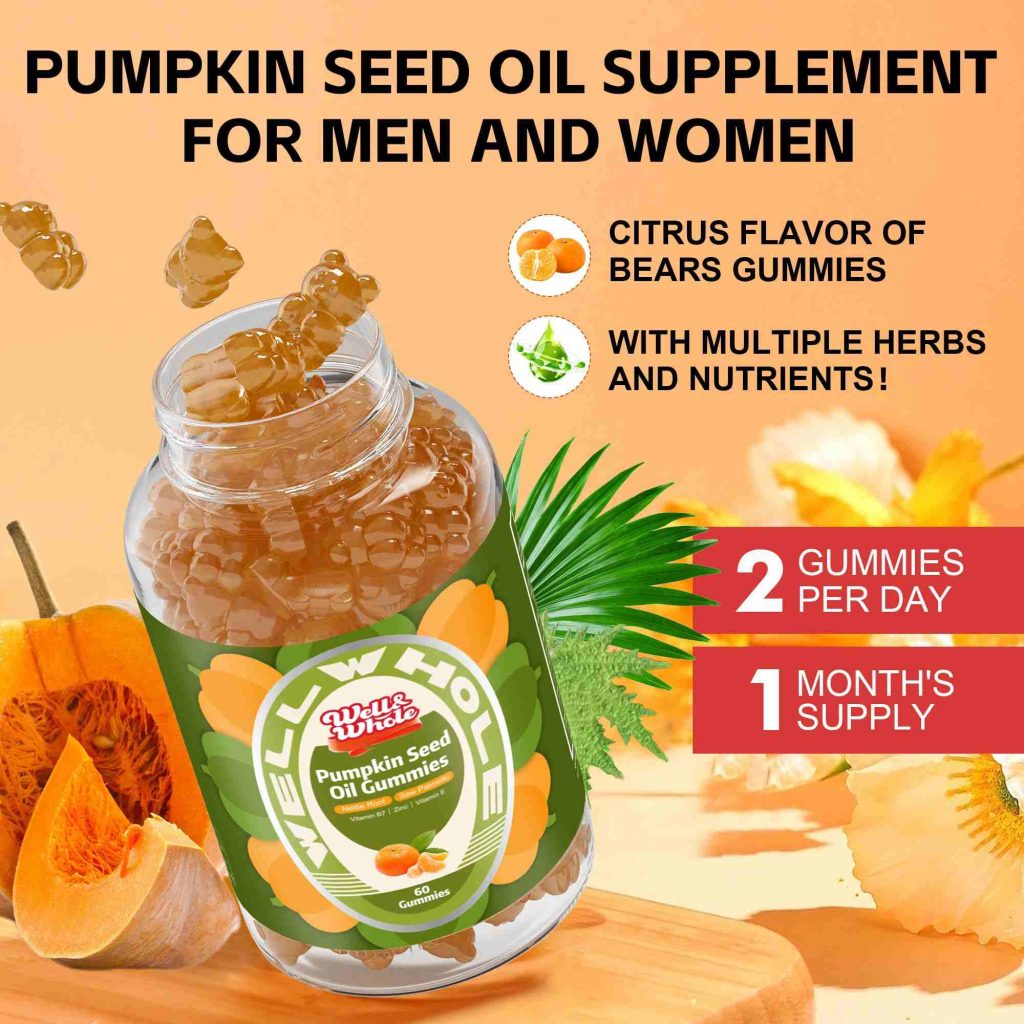
One key theory is that pumpkin seed oil can help modulate DHT, a hormone linked with pattern hair loss in both men and women. While research is still developing, some small human studies suggest that internal pumpkin seed oil supplementation may contribute to increased hair count and density over several months. This is why many hair growth supplement formulas now include pumpkin seed oil softgels or combine it with other nutrients such as biotin and saw palmetto.
From a practical standpoint, there are two main ways people use pumpkin seed oil:
- Internal use: softgels or liquid oil as part of a daily supplement routine
- Topical use: massaging diluted oil into the scalp as a nourishing treatment
When choosing pumpkin seed oil, look for cold‑pressed and unrefined options, as high heat can damage sensitive fatty acids and reduce overall potency. For supplement use, reputable brands like Well&Whole typically emphasize quality sourcing, batch testing, and clear dosage information to help consumers use these products consistently and safely.
In short, pumpkin seed oil is not a miracle cure, but it can be part of a long‑term hair wellness plan that focuses on scalp health, internal nutrition, and hormonal balance. Long‑tail keywords: pumpkin seed oil for hair regrowth, best pumpkin seed oil capsules for hair, natural DHT blocker for thinning hair
Why Peppermint Oil Is So Popular for Scalp Stimulation
If pumpkin seed oil is the quiet nutritional support, peppermint oil is the energizing partner that people notice immediately. Peppermint essential oil contains menthol, which gives that cool, tingling sensation many users associate with improved circulation.
Early laboratory research suggests that peppermint oil, when properly diluted, may:
- Promote the anagen phase (active growth phase) of the hair cycle
- Support microcirculation in the scalp, which is important for delivering oxygen and nutrients to hair follicles
- Provide a refreshing, clarifying effect that helps remove buildup from styling products or excess sebum
However, peppermint oil is highly concentrated and must never be applied directly to the scalp without dilution. Most people dilute it in a carrier oil—such as pumpkin seed oil, jojoba, or coconut oil—or add a few drops to an existing shampoo. A typical dilution is 2–3 drops of peppermint oil per tablespoon of carrier oil, but sensitive skin may require even less.
When used correctly, peppermint oil can help create a healthier scalp environment that is less prone to irritation, itching, and buildup. That environment is essential for anyone looking to support hair growth naturally, especially when combined with a balanced diet and lifestyle.
In summary, peppermint oil works best as a supportive, topical booster rather than a stand‑alone solution, and it must be used with caution and proper dilution. Long‑tail keywords: peppermint oil for hair growth results, how to dilute peppermint oil for scalp, essential oils for hair thinning
Using Pumpkin Seed Oil and Peppermint Oil Together
For many people, the most effective approach is to combine pumpkin seed oil and peppermint oil in a thoughtful routine rather than relying on one ingredient alone. This pairing allows you to cover both internal nutritional support and topical scalp stimulation.
A common approach looks like this:
- Internal support with pumpkin seed oil
Some consumers choose pumpkin seed oil supplements, often in softgel form, as part of a daily regimen. Trade brands like Well&Whole often blend pumpkin seed oil with other hair‑focused nutrients such as biotin, zinc, and antioxidants to provide a more rounded formula. - Topical scalp treatments with a combined oil blend
For topical use, pumpkin seed oil can serve as the carrier oil and peppermint oil as the active essential oil. For example, 1–2 teaspoons of pumpkin seed oil with 1–2 drops of peppermint oil can be gently massaged into the scalp before shampooing. Many people leave it on for 15–30 minutes, then wash with a mild, sulfate‑free shampoo. - Consistent routine over time
Hair growth is slow. Even when everything is optimized—diet, supplements, scalp care, and stress management—visible changes can take 3–6 months or longer. Using a pumpkin seed oil and peppermint oil blend once or twice a week, alongside daily supplementation if appropriate, helps build the consistency needed for meaningful results.
At Well&Whole, we see the best outcomes in customers who pair ingredient‑focused products with realistic expectations, healthy lifestyle habits, and patience. When you combine internal and external strategies, you give your hair multiple angles of support, from follicle nutrition to scalp circulation. Long‑tail keywords: pumpkin seed oil and peppermint oil for hair growth, hair growth oil blend for thinning hair, natural hair thickening routine
Safety, Side Effects, and Who Should Be Cautious
Although pumpkin seed oil and peppermint oil for hair growth are generally considered gentle compared with many harsher treatments, natural does not automatically mean risk‑free. It is important to understand who should be cautious and how to reduce potential side effects.
For pumpkin seed oil:
- Most people tolerate it well, especially in food‑like doses.
- Those with pumpkin or seed allergies should avoid it or consult a doctor first.
- If you take medications, especially blood thinners or hormone‑related drugs, it is wise to discuss new supplements with a healthcare professional.
For peppermint oil:
- Undiluted essential oil can cause burning, redness, or irritation on the scalp. Always dilute it before use.
- Individuals with very sensitive skin, eczema, or psoriasis should patch‑test a diluted blend on a small area first.
- Peppermint oil should be kept away from the eyes and used with care around children and pregnant women.
Any reputable brand, including Well&Whole, emphasizes clear usage instructions, dilution guidelines, and safety notes on labels and product pages. This is especially important for international trade customers who distribute to different regions with varying regulations and consumer expectations.
In brief, these natural oils can be supportive tools when used with respect, moderation, and proper guidance. Long‑tail keywords: is peppermint oil safe for scalp, pumpkin seed oil side effects for hair, best natural oils for sensitive scalp
Building a Holistic Hair Growth Plan with Well&Whole
Isolated ingredients can help, but hair health is always multifactorial. Stress, sleep quality, vitamin and mineral intake, hormones, and genetics all play a role. Adding pumpkin seed oil and peppermint oil to a weak foundation will only bring partial improvement.
A more holistic plan often includes:
- Nutritional support
Ensuring adequate protein, iron, zinc, vitamin D, and B‑vitamins is crucial. High‑quality supplements, such as those traded under the Well&Whole portfolio, can help fill gaps but should not replace a balanced diet. - Targeted hair‑growth formulas
Products that combine pumpkin seed oil, biotin, zinc, and antioxidant support can provide complementary mechanisms for hair health. This approach can be more efficient than taking standalone ingredients with no synergy. - Gentle scalp care rituals
Using a diluted peppermint oil and pumpkin seed oil scalp massage once or twice per week, choosing mild shampoos, and avoiding overly tight hairstyles all support healthier follicles. - Monitoring and adjustment
Keeping track of changes in hair shedding, scalp comfort, and density over several months allows you to adjust dosage and frequency. Many Well&Whole trade partners encourage customers to take photos every 4–6 weeks to track gradual progress.
Ultimately, the best results usually come from combining evidence‑informed natural ingredients with realistic expectations and consistent use. Pumpkin seed oil and peppermint oil are promising tools within a broader hair wellness strategy, not stand‑alone cures. Long‑tail keywords: holistic hair growth routine, natural supplements for hair and scalp health, long term hair regrowth strategy
FAQ: Pumpkin Seed Oil and Peppermint Oil for Hair Growth
- How long does it take to see results from pumpkin seed oil and peppermint oil?
Most people need at least 3–6 months of consistent use to notice visible changes in thickness and density. Hair grows slowly, and the benefits of nutritional and topical support build up over time. - Can I use pumpkin seed oil and peppermint oil every day on my scalp?
Daily use is usually unnecessary and might be too intense for sensitive scalps. Many users find that 1–3 times per week of a diluted oil blend, combined with daily internal supplementation (if suitable), is a balanced approach. Always monitor your scalp for irritation and adjust accordingly. - Are pumpkin seed oil and peppermint oil enough to reverse severe hair loss?
These oils can support hair health, but they are not a guaranteed treatment for severe or sudden hair loss. In such cases, it is important to consult a dermatologist or healthcare provider to rule out underlying conditions and to discuss medical treatments that can be combined with natural options like Well&Whole hair wellness supplements.