
How Pumpkin Seed Oil Can Support Hair Growth Safely and Effectively
For many people, thinning hair and a receding hairline are more than cosmetic concerns; they affect confidence, mood, and even social life. Among natural options, pumpkin seed oil has gained attention for its potential to support thicker, fuller hair. Yet one practical question keeps coming up: how much pumpkin seed oil should you actually take for hair growth?
As a health‑focused trading company working with nutritional supplements, Well&Whole often sees customers confused by conflicting advice. This guide brings together current knowledge and practical experience to help you use pumpkin seed oil safely and strategically in your daily routine.
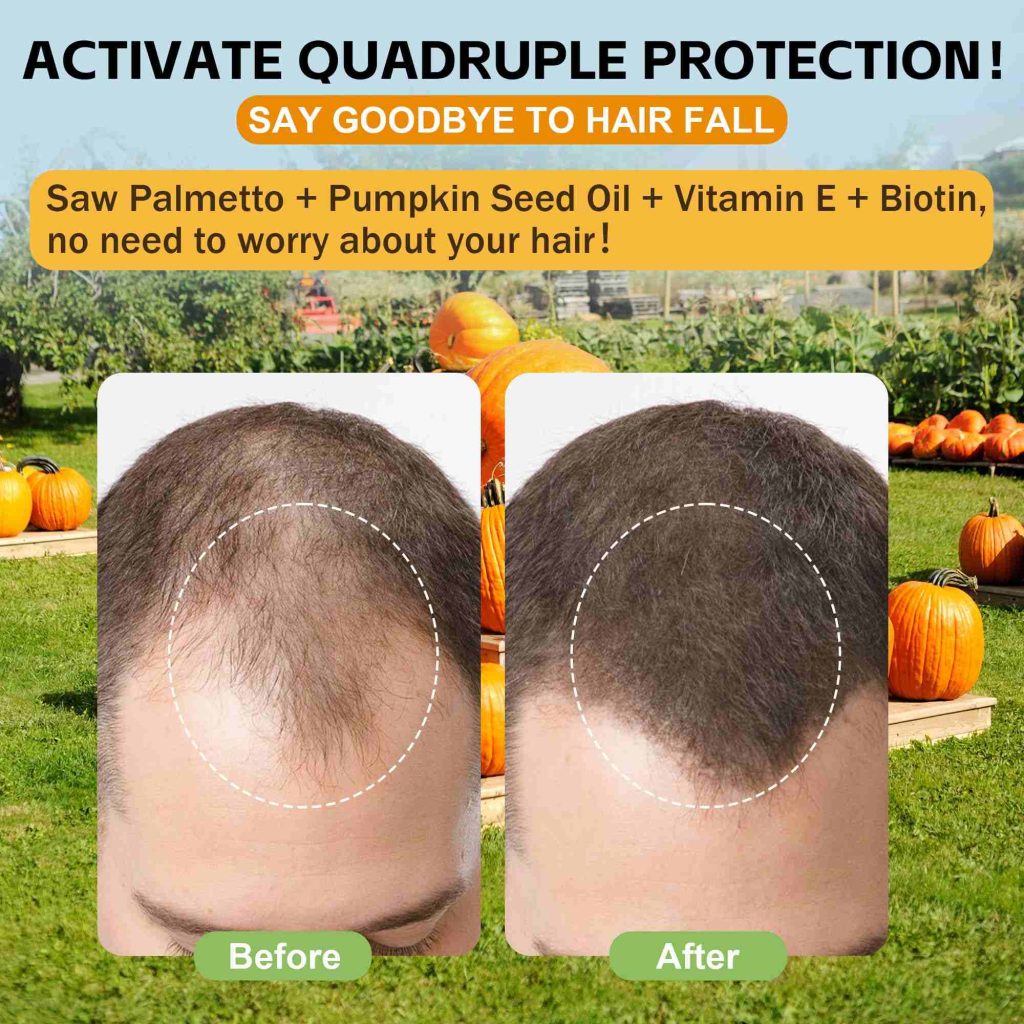
What Pumpkin Seed Oil Does for Hair
Pumpkin seed oil is rich in plant sterols, essential fatty acids, vitamin E, and antioxidants. These compounds may support hair in several ways:
- They may help balance DHT, a hormone linked to male and female pattern hair loss.
- They support a healthier scalp environment, which is essential for strong follicles.
- They provide nutrients and antioxidants that help protect hair from oxidative stress.
Some small human studies and many anecdotal reports suggest that consistent use of pumpkin seed oil may promote:
- Improved hair density and thickness
- Reduced shedding over time
- Stronger strands that break less easily
While it’s not a magic cure or a prescription medication, pumpkin seed oil is a promising natural hair growth supplement that can fit well into a holistic routine for people who prefer gentle, food‑based support.
In short, pumpkin seed oil won’t transform your hair overnight, but used consistently as part of a broader routine for thinning hair, it can be a valuable ally for those looking for a natural DHT blocker and nutritional scalp support.
How Much Pumpkin Seed Oil to Take for Hair Growth
There is no single global standard, but a commonly referenced intake from research and practitioner experience is around 400 mg to 1,000 mg of pumpkin seed oil per day in supplement form. Some studies have used about 400 mg twice daily (total 800 mg) with positive results.
If you are using softgel capsules:
- A typical capsule contains 500–1,000 mg.
- Many people start with one capsule (500–1,000 mg) per day with food.
- After 2–4 weeks, some increase to two capsules per day, divided between morning and evening, if well tolerated.
If you prefer liquid pumpkin seed oil:
- A commonly used amount is about 1 teaspoon (approx. 4–5 g) per day.
- This can be taken straight, mixed into a salad, or added to a smoothie (without heating it).
Because every person is different, a reasonable approach is:
- Start low for the first week (for example, 400–500 mg/day).
- Monitor your digestion and general comfort.
- Gradually move toward the 800–1,000 mg/day range if needed and tolerated.
Always consider your personal health condition and medications. When in doubt, speak with a healthcare professional familiar with hair loss nutrition and natural hair growth remedies before adjusting your dose.
Overall, the practical daily range most adults use for hair support is around 400–1,000 mg, taken consistently with meals, as part of a long‑term routine for hair thinning.
How to Take Pumpkin Seed Oil for Best Hair Results
Getting results is not only about the dose; it is equally about how and how long you take pumpkin seed oil.
1. Take it with food
Fat‑soluble nutrients are better absorbed with meals. Taking pumpkin seed oil together with breakfast or dinner may support:
- Better absorption of fatty acids and vitamin E
- Gentler impact on your stomach
- A more stable routine, so you don’t forget doses
2. Be consistent over time
Hair grows slowly. Most people need at least 3–6 months of consistent daily use to fairly judge whether pumpkin seed oil is helping. Changes may appear as:
- Less shedding in the shower or on the brush
- A fuller look at the hairline
- Baby hairs appearing around the temples or crown
3. Combine internal and external care
While oral intake is most important, some people also use pumpkin seed oil topically:
- Massaging a small amount into the scalp a few times a week
- Combining it with other scalp‑friendly oils, like rosemary or jojoba
A combined internal and external routine often fits well with other strategies such as natural DHT blockers for hair loss, hair growth vitamins and minerals, and gentle scalp massage.
In essence, pumpkin seed oil works best when taken with food, used consistently for several months, and combined with broader lifestyle steps that support healthy hair roots and scalp circulation.
Safety, Side Effects, and Who Should Be Cautious
For most healthy adults, pumpkin seed oil is considered generally well tolerated when used in normal supplemental amounts. Still, it pays to be informed.
Possible mild side effects may include:
- Digestive discomfort or soft stools if you take too much too quickly
- Rare allergic reactions in those sensitive to pumpkin or seeds
- Slight changes in appetite for a few people
To reduce the risk of digestive issues:
- Start at the lower end of the dose range
- Take it with meals, not on an empty stomach
- Increase gradually if you feel fine
The following groups should exercise extra caution and consult a professional before starting pumpkin seed oil for hair:
- People on blood‑thinning medications or multiple prescription drugs
- Individuals with known seed allergies
- Pregnant or breastfeeding women, due to limited long‑term data
Well&Whole emphasizes a food‑first, safety‑first philosophy. Even though pumpkin seed oil is a natural product, it still has active compounds. The goal is to support hair health, not to overload your system.
When used at reasonable doses and introduced gradually, pumpkin seed oil is a gentle, food‑derived option that many adults can tolerate well as part of a broader natural hair loss treatment plan.
Choosing a Quality Pumpkin Seed Oil Supplement
The quality of the oil you choose can influence your results just as much as the dose. Higher‑quality oils tend to preserve more of the delicate fatty acids and plant nutrients that support the scalp and follicles.
Look for these features when selecting a product:
- Cold‑pressed or expeller‑pressed: helps protect heat‑sensitive nutrients.
- Dark glass bottles or opaque softgels: shields the oil from light and oxidation.
- Clear labeling of origin and purity, without unnecessary artificial additives.
- Third‑party testing where available, especially for long‑term use.
At Well&Whole, we evaluate pumpkin seed oil suppliers with a focus on:
- Consistent fatty acid profile
- Minimal oxidation markers
- Clean ingredient lists suited for long‑term nutritional support
Whether you choose our brand or another, prioritize purity, freshness, and transparent sourcing. Cheap, heavily processed oils can be less stable and less effective for hair support.
Selecting a high‑quality, cold‑pressed pumpkin seed oil with transparent sourcing increases your chances of seeing real benefits when using it as a supplement for thinning hair and scalp nourishment.
FAQ: Pumpkin Seed Oil for Hair Growth
1. How long does it take for pumpkin seed oil to work for hair growth?
Most people need to use pumpkin seed oil consistently for at least 3–6 months before judging results. Hair grows in cycles, so changes may appear slowly as reduced shedding, stronger strands, or more baby hairs. Combining pumpkin seed oil with a balanced diet and other natural hair growth supplements often enhances benefits.
2. Can I just use pumpkin seed oil on my scalp without taking it orally?
Topical use may help support the scalp, but oral intake usually provides more systemic benefits because it delivers nutrients through your bloodstream to the follicles. Many people choose a combined approach: taking capsules or liquid daily while massaging a small amount into the scalp a few times a week as part of a holistic hair growth routine.
3. Is pumpkin seed oil enough on its own to stop hair loss?
For most people, no single supplement is a complete solution. Pumpkin seed oil can be a helpful part of a broader plan that may include nutrition, stress management, and, when appropriate, medical treatments. Think of it as a supportive natural hair loss remedy rather than a stand‑alone cure. If hair loss is rapid or severe, consult a dermatologist or healthcare professional for a full evaluation.