
As more people look for natural ways to support heart health, red yeast rice has become a popular option for those concerned about their cholesterol numbers. For wellness brands and trading companies like Well&Whole, it is also an important ingredient in high‑quality dietary supplements aimed at supporting cardiovascular health in a gentle, evidence‑informed way. Understanding what red yeast rice is, how it works, and how to use it wisely can help you decide whether it belongs in your daily routine.
What Is Red Yeast Rice and How Does It Work?
Red yeast rice is a traditional fermented rice product. During fermentation, a type of yeast (usually Monascus purpureus) grows on the rice and produces natural compounds called monacolins. The most studied of these, monacolin K, is structurally similar to certain cholesterol‑lowering drugs and may help reduce the body’s production of cholesterol in the liver.
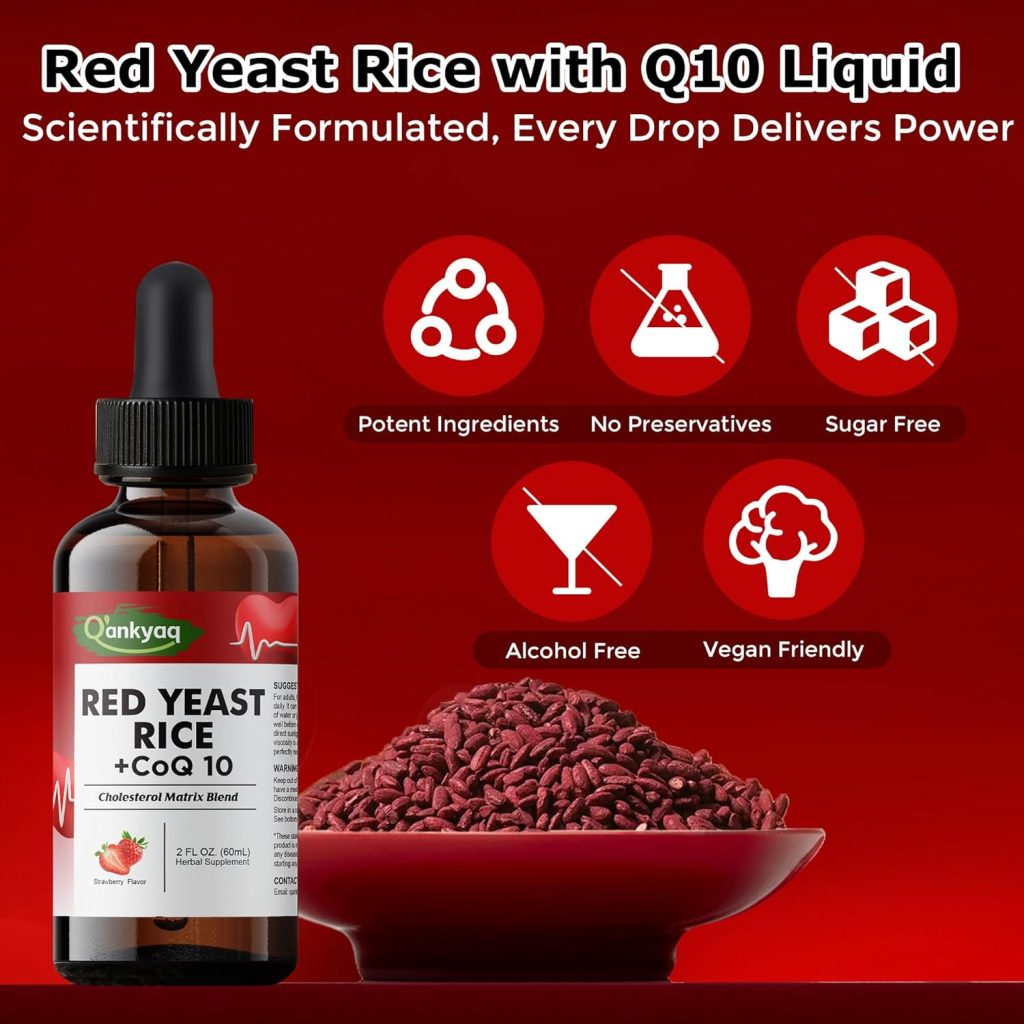
Because of this mechanism, red yeast rice for cholesterol support has attracted attention from both consumers and health professionals. Rather than acting as a quick fix, it is typically used as part of a broader lifestyle strategy that includes a balanced diet and regular physical activity.
At Well&Whole, we see red yeast rice as one tool in a comprehensive approach to heart wellness, not a standalone solution. Reputable manufacturers also pay close attention to quality control, ensuring that the fermentation process yields consistent levels of active compounds while minimizing unwanted by‑products.
In summary, red yeast rice works primarily by influencing cholesterol production in the liver, and it fits best into a long‑term, lifestyle‑focused plan. Long‑tail keywords: natural red yeast rice supplement, how does red yeast rice lower cholesterol, red yeast rice for cardiovascular health.
Key Benefits of Red Yeast Rice for Cholesterol Management
When people talk about the benefits of red yeast rice for cholesterol, they are usually referring to its potential influence on lipid profiles. While individual results vary, several patterns often emerge when red yeast rice is used under professional guidance.
First, red yeast rice may help lower LDL cholesterol, often called “bad” cholesterol. Elevated LDL is a major risk factor for cardiovascular issues, so reducing it can be an important part of a heart‑healthy strategy. Some research suggests that standardized red yeast rice extracts, taken consistently, can lead to meaningful improvements in LDL levels for certain individuals.
Second, red yeast rice may contribute to a healthier overall lipid profile. In addition to lower LDL, some users report modest changes in total cholesterol and triglycerides when combined with diet and lifestyle changes. This is one reason it appears frequently in cholesterol support supplements and heart health formulas.
Third, many people appreciate that red yeast rice is a naturally derived option, especially when they are exploring alternatives with their healthcare provider. While “natural” does not automatically mean “better” or “safer,” it does matter that the ingredient comes from a traditional food product rather than a purely synthetic source.
To sum up, red yeast rice can support healthier cholesterol levels and improved lipid profiles when used appropriately as part of a broader health plan. Long‑tail keywords: red yeast rice benefits for high cholesterol, support healthy LDL levels naturally, cholesterol support with red yeast rice.
How to Use Red Yeast Rice Safely and Effectively
Even though red yeast rice is often marketed as a natural supplement, it still acts on important metabolic pathways. Using it wisely is essential.
The first step is consulting a healthcare professional. Anyone with existing medical conditions, especially liver disease or muscle disorders, or those taking prescription medications should discuss red yeast rice before starting. Because of its mechanism, it may not be appropriate for everyone and can interact with certain drugs.
Next, choosing a high‑quality red yeast rice supplement matters. Reputable brands like Well&Whole work with trusted manufacturing partners that test for purity, potency, and contaminants. This includes monitoring monacolin levels and screening for unwanted substances such as citrinin, a toxin that can sometimes occur in poorly controlled fermentation.
Dosage and consistency are also important. Most people take red yeast rice in capsule form, with the amount tailored based on product strength and professional advice. Taking it exactly as directed on the label or as recommended by a healthcare provider helps maximize potential benefits while limiting unnecessary risk.
At the practical level, pairing red yeast rice with heart‑smart daily habits—like eating more fiber, reducing saturated fat, staying active, and avoiding tobacco—creates a supportive environment for better cholesterol management.
In essence, safe and effective use of red yeast rice requires professional guidance, a quality‑focused brand, and a commitment to healthy lifestyle habits. Long‑tail keywords: how to take red yeast rice for cholesterol, safe dosage of red yeast rice supplements, best way to use red yeast rice for heart health.
Why Quality and Brand Choice Matter
Not all red yeast rice products are created equal. Differences in fermentation methods, raw materials, and testing standards can lead to wide variations in quality and effectiveness. For companies like Well&Whole, this is where careful sourcing and quality assurance become a priority.
A reliable product should come from a facility that follows Good Manufacturing Practices (GMP) and uses third‑party testing. These steps help confirm that what appears on the label matches what is in the capsule, and that the product is free from harmful contaminants. For an ingredient like red yeast rice, consistent levels of active compounds and low levels of impurities are crucial.
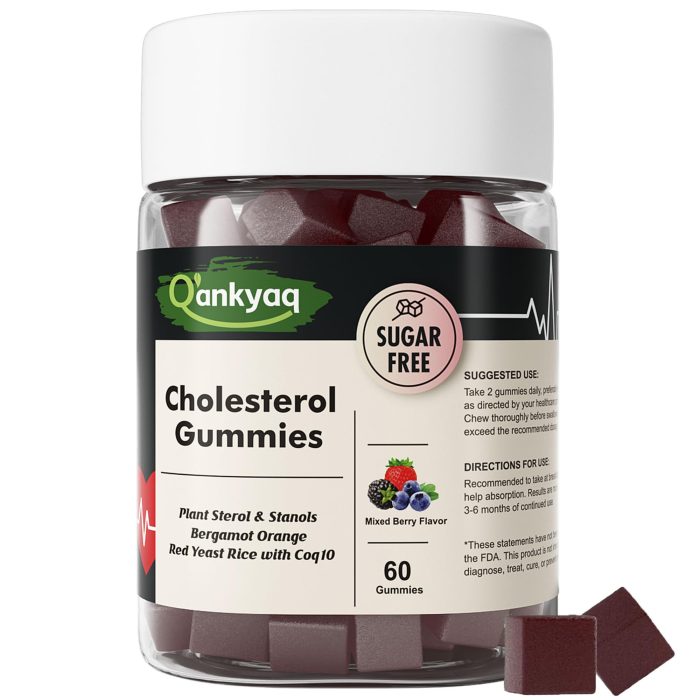
In addition, thoughtful formulation can make a difference. Some cholesterol support products combine red yeast rice with complementary nutrients, such as CoQ10 or plant sterols, to support overall cardiovascular wellness and help maintain energy levels. While each formula is different, the goal is to support the body on multiple fronts rather than focusing on a single marker.
From a consumer’s perspective, choosing a brand with transparent information, clear labeling, and a track record in the health supplement market can provide extra peace of mind. Well&Whole emphasizes this transparency, offering detailed product specifications and responsible communication about what red yeast rice can—and cannot—do.
To conclude, selecting a trusted, quality‑focused brand is one of the most important steps when adding red yeast rice to your routine, helping ensure both safety and consistent results. Long‑tail keywords: high quality red yeast rice supplement brand, GMP certified red yeast rice products, trusted red yeast rice for cholesterol support.
Integrating Red Yeast Rice into a Heart‑Healthy Lifestyle
Red yeast rice is most effective when viewed as part of a broader, long‑term commitment to cardiovascular wellness. Rather than simply chasing lower numbers on a lab report, many people aim to build sustainable habits that protect heart health over time.
A practical approach might look like this:
- Following a diet rich in vegetables, fruits, whole grains, and healthy fats
- Maintaining regular physical activity, such as brisk walking or cycling
- Managing stress through sleep hygiene, mindfulness, or relaxation practices
- Avoiding smoking and moderating alcohol intake
- Regularly monitoring cholesterol and other markers with a healthcare provider
Within this context, red yeast rice can play a supportive role for those who need extra help managing cholesterol and who have received personalized guidance to use it. Brands such as Well&Whole design their supplement offerings with this bigger picture in mind, positioning red yeast rice as one element in a complete wellness strategy rather than a stand‑alone cure.
In short, integrating red yeast rice with balanced nutrition and active living offers a more sustainable path toward healthy cholesterol levels and long‑term heart wellness. Long‑tail keywords: integrate red yeast rice into cholesterol diet plan, natural support for long term cholesterol management, red yeast rice as part of heart healthy lifestyle.
FAQ
- Can red yeast rice replace my prescription cholesterol medication?
Red yeast rice should not be used to replace prescribed medications unless a healthcare professional specifically advises it. It can act on similar pathways, so any changes to your treatment plan must be coordinated with your doctor to avoid risks and ensure appropriate monitoring. - How long does it take to see results from red yeast rice for cholesterol?
Response times vary, but some people notice changes in their cholesterol numbers after several weeks of consistent use, combined with diet and lifestyle adjustments. Regular blood tests and professional guidance are important to track progress and adjust your plan if needed. - Is red yeast rice safe for everyone?
No. Red yeast rice is not suitable for everyone, including some people with liver conditions, pregnant or breastfeeding women, and individuals taking certain medications. Always consult a healthcare professional before starting any red yeast rice supplement, even if it is marketed as “natural.”