
For anyone concerned about heart health, the question often comes up: are red yeast rice supplements good for cholesterol? As a natural ingredient found in many dietary products, red yeast rice has gained attention for its potential to support healthy cholesterol levels. But how does it work, what does the science say, and how should it be used wisely?
At Well&Whole, we focus on evidence‑informed nutritional solutions, so this article looks at red yeast rice with a balanced, practical lens—neither overpromising nor dismissing its potential.
What Is Red Yeast Rice and How Does It Work?
Red yeast rice is a traditional fermented rice product made using a specific yeast, usually Monascus purpureus. During fermentation, this yeast produces compounds called monacolins, the most studied of which is monacolin K.
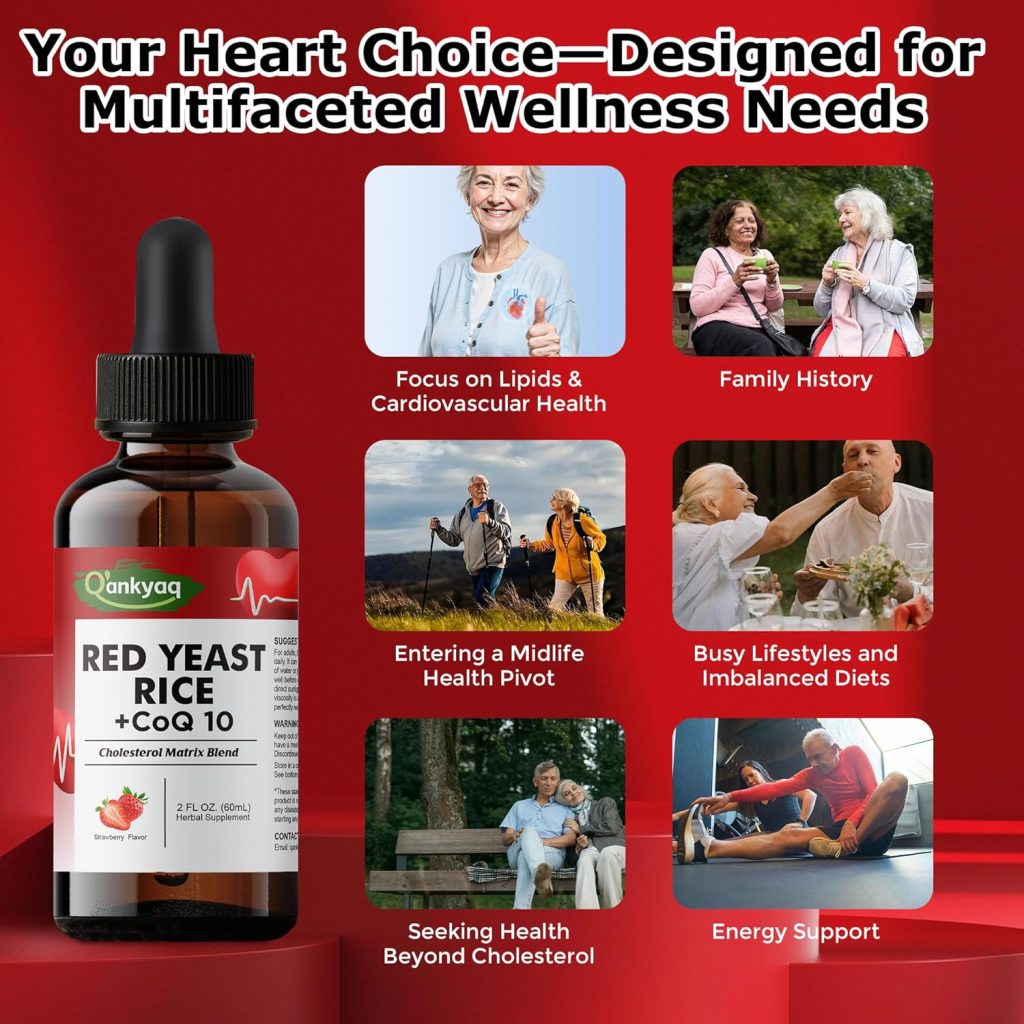
Monacolin K acts on the same enzyme that certain prescription statins target. In simple terms, it can help reduce the liver’s production of cholesterol, which may lower total and LDL (“bad”) cholesterol in some people.
When people ask whether red yeast rice supplements are good for lowering cholesterol, they are essentially asking whether these naturally occurring monacolins are effective and safe as part of a broader heart‑health plan.
Key points about how it works:
- Potential LDL reduction: Some studies suggest red yeast rice can modestly lower LDL cholesterol.
- Synergy with lifestyle: Its impact is strongest when combined with a heart‑healthy diet and regular activity.
- Natural origin, pharmacological effect: Even though it is “natural,” its mechanism is similar to that of certain medications.
In summary, red yeast rice is not just a generic herbal extract; it has a specific, well‑defined effect on cholesterol synthesis. For consumers seeking natural supplements to support healthy cholesterol levels or non‑prescription options for mild cholesterol concerns, this mechanism is what makes red yeast rice particularly interesting.
Evidence: What Research Says About Cholesterol Benefits
The next question is whether the science supports using red yeast rice for cholesterol.
Several clinical studies, particularly those conducted with standardized extracts, report that red yeast rice can:
- Lower total and LDL cholesterol in people with mildly to moderately elevated levels
- Provide additional support alongside diet and exercise in managing cardiovascular risk
- Offer a natural alternative for some individuals who cannot tolerate standard doses of statin drugs (though this must be evaluated by a healthcare professional)
However, results vary, and not all red yeast rice products are equal. The amount of monacolin K can differ widely between brands, and quality control is crucial.
When considering if red yeast rice is effective for high cholesterol or how well red yeast rice works compared to statins, it’s important to recognize:
- Studies often use standardized, tightly controlled formulations.
- Over‑the‑counter supplements may not match those exact compositions.
- Lifestyle factors—diet, smoking, weight, stress, and exercise—still dominate overall risk.
In short, research suggests moderate improvements in cholesterol for many users, especially when products are well‑formulated and used under professional guidance. For people searching phrases like best natural supplement to lower LDL or evidence‑based natural cholesterol support, red yeast rice often appears because of this body of data.
Safety, Side Effects, and Who Should Be Careful
Because red yeast rice can act similarly to a low‑dose statin, safety deserves serious attention.
Potential issues include:
- Muscle discomfort or weakness (myalgia) in sensitive individuals
- Liver strain if taken in high doses or combined with other liver‑active substances
- Possible interactions with prescription cholesterol drugs, antifungals, certain antibiotics, and other medications affecting the liver
Regulatory agencies in some regions have also expressed concern that products with high monacolin K content may behave too much like unregulated medications. This is why quality, transparency, and appropriate dosing matter so much.
You should avoid or use extra caution with red yeast rice if you:
- Already take statin medications or other lipid‑lowering drugs
- Are pregnant, trying to conceive, or breastfeeding
- Have liver disease or a history of serious muscle problems
- Use multiple medications that stress the liver
To reduce risk:
- Always discuss red yeast rice with a healthcare provider before starting.
- Choose brands that follow strict quality standards and provide clear labeling.
- Start with the lowest effective dose recommended by your practitioner.
In conclusion, red yeast rice is not suitable for everyone. For some individuals seeking natural ways to support cholesterol without prescription drugs or alternative supplements for borderline high cholesterol, it can be an option—but it must be used responsibly and with medical oversight.
Choosing Quality: What to Look for in a Red Yeast Rice Supplement
Because red yeast rice products differ widely, smart selection is critical. At Well&Whole, we emphasize product integrity and consistency, as these factors directly influence both effectiveness and safety.
When evaluating a red yeast rice supplement, consider:
- Standardized content: Look for indications that active compounds are consistently controlled.
- Purity and contaminants: High‑quality brands test for unwanted byproducts, such as citrinin, a potential toxin that can form during fermentation if manufacturing is poorly managed.
- Clear labeling and dosage: Labels should specify serving size, amount of red yeast rice, and any additional ingredients like CoQ10 or supportive nutrients.
- Independent testing: Third‑party certifications or testing can provide extra assurance of quality.
Well‑designed formulas may also combine red yeast rice with:
- Coenzyme Q10, to help support energy metabolism in muscles
- Plant sterols or stanols, which help limit cholesterol absorption
- Omega‑3 fatty acids, for broader cardiovascular support
A carefully chosen product can make a significant difference for people who search for high‑quality red yeast rice capsules for cholesterol, trusted brands for natural cholesterol support, or premium red yeast rice supplements with CoQ10. The goal is not just to lower numbers on a lab report, but to support long‑term cardiovascular well‑being.
How Red Yeast Rice Fits Into a Comprehensive Cholesterol Strategy
No supplement—natural or pharmaceutical—works in isolation. Healthy cholesterol management is a full‑picture strategy, and this is where responsible companies like Well&Whole position red yeast rice: as one component of a broader lifestyle plan.
For many adults with mild to moderate cholesterol issues, a practical approach might include:
- Dietary upgrades: More fiber‑rich foods, vegetables, whole grains, and healthy fats; less trans fat and refined sugar
- Regular activity: Even 30 minutes of moderate movement most days of the week makes an impact
- Weight management: Achieving and maintaining a healthy weight supports lipid balance and blood pressure
- Stress and sleep: Chronic stress and poor sleep can indirectly affect cardiovascular health
- Targeted supplementation: In consultation with a professional, adding red yeast rice and other nutrients where appropriate
From this perspective, red yeast rice becomes a tool, not a shortcut. It may help individuals seeking natural support for borderline high cholesterol, integrative strategies to reduce LDL and triglycerides, or combined lifestyle and supplement approaches to heart health achieve better outcomes when used thoughtfully.
As a health‑focused trade company, Well&Whole works with partners who understand that long‑term customer trust comes from realistic claims, responsible dosing, and comprehensive guidance, not quick fixes.
FAQ
- How long does it take for red yeast rice to affect cholesterol levels?
Most people who respond to red yeast rice notice changes in their cholesterol lab values after about 8–12 weeks of consistent use, alongside diet and lifestyle measures. Regular blood tests and follow‑up with a healthcare provider are essential to track progress and adjust your plan. - Can I take red yeast rice instead of my prescribed statin?
You should never stop or replace a prescribed medication without medical approval. While red yeast rice has a similar mechanism to some statins, it is not a direct substitute. Your doctor can help you decide whether a natural supplement is appropriate for your specific risk profile. - Is red yeast rice safe for long‑term use?
Long‑term use should be supervised by a healthcare professional, with periodic monitoring of liver function and cholesterol levels. When used at appropriate doses and sourced from reputable brands that prioritize quality, many people tolerate red yeast rice well, but ongoing oversight is important for safety.