
How Pumpkin Seed Oil Supports Thicker, Healthier Hair
As more people look for gentle, natural ways to support hair health, pumpkin seed oil has quietly become a favorite ingredient. Many consumers now ask not only whether it works, but how many mg of pumpkin seed oil for hair growth is ideal, how long it takes, and how to use it safely.
For a trading company like Well&Whole that focuses on high‑quality nutritional supplements, understanding these details matters. It helps us formulate products responsibly and guide customers toward realistic expectations.
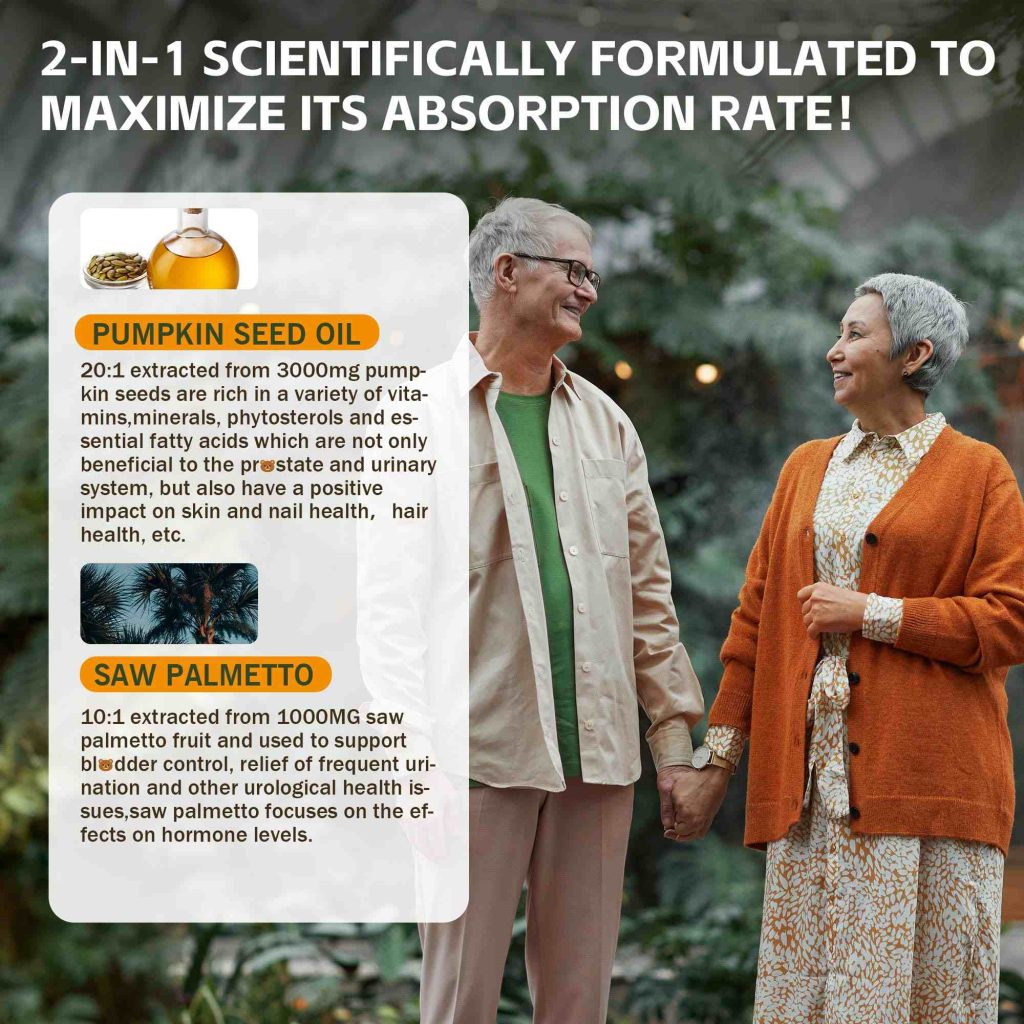
How Pumpkin Seed Oil May Support Hair Growth
Pumpkin seed oil is rich in fatty acids, antioxidants, vitamin E, and plant compounds that may support the scalp and hair follicles. Several theories explain why it is used in hair thinning remedies and natural hair loss supplements:
- It contains phytosterols that may help balance hormones involved in pattern hair loss.
- Its antioxidant content can help protect the scalp from oxidative stress.
- Its fatty acids support the scalp barrier and may reduce dryness and irritation.
A small clinical study on men with androgenetic alopecia (pattern hair loss) used oral pumpkin seed oil and reported improved hair counts compared with placebo. While this research is limited, it supports the traditional use of pumpkin seed oil in many natural hair growth remedies.
Section takeaway: Pumpkin seed oil is not a miracle cure, but current evidence suggests it can be a useful part of a broader routine for hair regrowth support, especially for people seeking plant‑based options.
How Many mg of Pumpkin Seed Oil for Hair Growth?
There is no single, official global standard for pumpkin seed oil dosage, but we can draw practical guidance from existing studies and supplement practice.
- Most research and commercial supplements use a daily dose between 500 mg and 2,000 mg of pumpkin seed oil for hair and prostate support.
- The best studied quantity for hair appears to cluster around 1,000 mg (1 g) per day, often split into two doses with meals.
- Some formulations go as high as 2,000 mg daily, especially when pumpkin seed oil is combined with other hair support ingredients.
From a practical standpoint, many consumers start with 500–1,000 mg per day and monitor how they feel over several weeks, then adjust if needed. For an average healthy adult:
- A common starting point is about 1,000 mg daily (e.g., two 500 mg softgels).
- This amount is generally considered moderate and is frequently used in hair growth supplements for women, hair growth supplements for men, and unisex formulations.
However, body weight, diet, and other conditions matter. People taking medication, especially for hormones, blood pressure, or anticoagulation, should talk with a healthcare provider before settling on a daily amount.
Section takeaway: A daily range of 500–1,000 mg of pumpkin seed oil is typical for hair health, with many products and users gravitating toward around 1,000 mg per day as a reasonable target in natural hair growth routines.
How Long to Take Pumpkin Seed Oil Before Seeing Results?
Even with an optimal dose, pumpkin seed oil works gradually. Hair follicles follow a natural growth cycle, which means visible change can take time:
- Most people need at least 8–12 weeks to notice early differences in shedding or density.
- Clearer improvements, such as fuller appearance or less visible scalp, may require 3–6 months of consistent daily use.
- Because hair growth is slow, stopping too early is one of the most common reasons people feel a product “didn’t work.”
Consistency is more important than chasing very high doses. Taking 1,000 mg pumpkin seed oil daily for 3 months is far more realistic than taking a large amount for a short time. Well&Whole often encourages users to pair a reasonable dosage with:
- A protein‑sufficient diet
- Good sleep and stress management
- Gentle hair care (avoiding excessive heat and harsh chemicals)
Section takeaway: To give pumpkin seed oil a fair trial, it helps to commit to daily use for at least 3 months, as part of a broader hair growth journey and not a quick‑fix solution.
Oral vs Topical Use: Which Works Better?
Pumpkin seed oil can be used in two main ways for hair support: oral supplements and topical scalp products.
Oral supplements (softgels or liquid):
- Provide a measured mg dosage so it is easier to track intake.
- Deliver fatty acids and phytosterols through the bloodstream to the hair follicles.
- Are convenient to combine with other nutrients like biotin, zinc, or saw palmetto.
This route is usually preferred when people ask about how many mg pumpkin seed oil for hair growth, because dosage can be clearly labeled and tailored in a supplement routine.
Topical application (serums, oils, masks):
- Allows direct contact with the scalp.
- Can help with dryness, flakiness, and scalp comfort.
- Typically uses a few drops massaged into the scalp, sometimes blended with carrier oils or other actives.
While many people like combining both approaches, research on oral use is currently stronger than on topical alone. At Well&Whole, we see the best results when the dosage is controlled orally and topical care is used as a supportive step, not the main treatment.
Section takeaway: For dosage‑focused questions and measurable intake, oral pumpkin seed oil supplements are more practical, while scalp application can complement an overall holistic hair growth routine.
How Well&Whole Approaches Pumpkin Seed Oil Formulation
As a health supplement trading company, Well&Whole pays close attention to both mg dosage and overall formula design. Our approach to pumpkin seed oil for hair support typically includes:
- Using standardized pumpkin seed oil with consistent fatty acid and phytosterol content for predictable quality.
- Targeting a daily dose around 1,000 mg, either as a stand‑alone product or combined with other hair‑supporting nutrients.
- Favoring softgels that are easy to swallow and protect the oil from oxidation.
- Considering the needs of different users, from vegan hair growth supplements to balanced blends aimed at mild hair thinning in adults.
We also encourage distributors and brand partners to educate end‑users about realistic expectations: pumpkin seed oil works best as part of a long‑term wellness plan, not as a short‑term cosmetic fix.
Section takeaway: By focusing on quality raw materials and evidence‑aligned dosages around 1,000 mg daily, Well&Whole aims to support more consistent outcomes for people adding pumpkin seed oil to their daily hair growth supplement routine.
FAQ
1. What is a safe daily amount of pumpkin seed oil for hair growth?
Most adults tolerate 500–1,000 mg of pumpkin seed oil per day well when taken with food. Some formulas go up to 2,000 mg, but it is wise to start at the lower end and increase gradually if needed, ideally under professional guidance.
2. Can I combine pumpkin seed oil with other hair growth supplements?
Yes, many people combine pumpkin seed oil with ingredients such as biotin, zinc, or saw palmetto. However, combining products can increase total intake of certain nutrients, so always check labels and consult a healthcare professional if you are unsure.
3. Who should avoid or be cautious with pumpkin seed oil supplements?
Anyone who is pregnant, breastfeeding, using prescription medications, or managing chronic conditions should speak with a doctor before using pumpkin seed oil. People with known pumpkin allergies should avoid it entirely, and anyone who experiences discomfort should stop use and seek medical advice.