

Protein Matters: Comparing Meat and Legumes for Optimal Nutrition
When it comes to selecting the best protein source, the debate between meat and legumes often takes center stage. Protein plays a crucial role in supporting muscle growth, repairing tissues, and producing enzymes and hormones. However, not all protein is created equal, and understanding the differences between these two sources can help individuals make informed dietary decisions. Whether you’re a fitness enthusiast, a health-conscious individual, or exploring sustainable food options, knowing how meat and legumes stack up is key.
Nutritional Profiles: What Do They Offer?
Meat is often lauded for its complete protein profile, meaning it contains all nine essential amino acids that the body cannot produce on its own. For example, a 100-gram serving of chicken breast provides approximately 31 grams of protein, along with essential nutrients like vitamin B12, iron, and zinc, which are particularly important for energy production and Immune Health. Similarly, a lean cut of beef offers around 26 grams of protein per 100 grams, alongside higher iron content—a critical nutrient for combating fatigue.

On the other hand, legumes (such as lentils, chickpeas, and black beans) are standout plant-based protein sources packed with fiber, antioxidants, and complex carbohydrates. Though legumes are often considered “incomplete” proteins due to their lack of some essential amino acids, combining them with grains like quinoa or rice can make them complete. For example, one cup of cooked lentils delivers 18 grams of protein along with 16 grams of fiber, which promotes healthy digestion and heart health. In contrast to meat, legumes are cholesterol-free and low in saturated fat, making them a preferred choice for individuals aiming to reduce cardiovascular disease risk.
Digestibility and Bioavailability: The Hidden Factor
A critical aspect of protein quality lies in its digestibility and bioavailability, or how efficiently the body absorbs and uses the nutrients. Animal-based proteins, including meat, are highly bioavailable. This means that the amino acids are easier for the body to process—a distinctive advantage for people focused on maximizing protein intake for muscle recovery or growth.
Legumes, while rich in protein, contain antinutrients like phytates and oxalates, which can inhibit absorption of minerals like iron and zinc. However, soaking or cooking legumes significantly reduces these compounds and amplifies nutrient availability. Additionally, the fiber content in legumes sometimes slows digestion, which can be beneficial for controlling blood sugar levels but less optimal for immediate post-workout recovery.
Sustainability and Ethical Considerations
Beyond nutritional advantages, ethical and environmental factors influence the meat-versus-legumes debate. According to research from the United Nations, livestock production accounts for approximately 14.5% of global greenhouse gas emissions. Raising legumes, by contrast, demands significantly fewer resources—less land, water, and energy—making them a more eco-friendly choice. For consumers aligning their diets with sustainability goals, legumes present a compelling option.
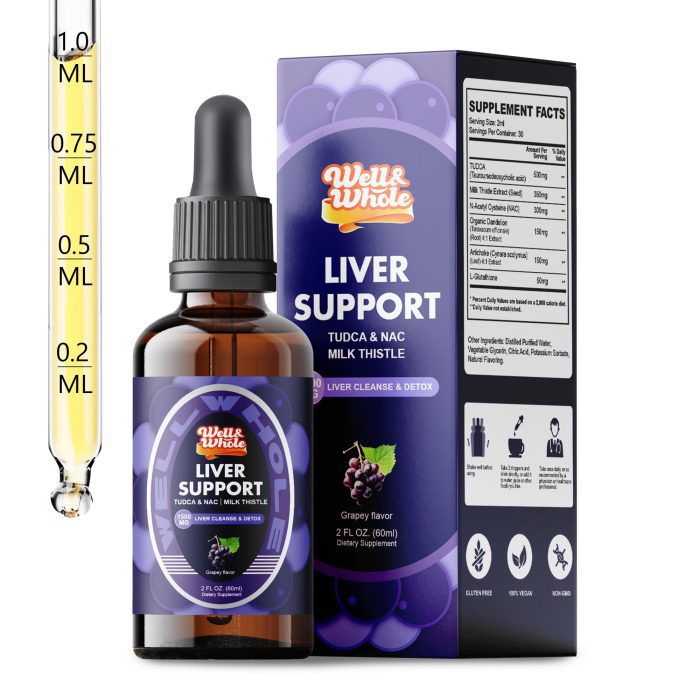
That said, for health-conscious buyers seeking premium-quality supplements to complement their nutrition, Well&Whole offers eco-conscious solutions that include products catering to both meat enthusiasts and plant-based consumers. Whether you’re striving for optimal muscle support or balancing protein intake while reducing your carbon footprint, Well&Whole provides tailored options designed to meet diverse dietary needs.
Meat vs. Legumes: Common Questions Answered
- Do legumes offer enough protein for athletes?
Yes, when combined with complementary grains, legumes provide all essential amino acids. While legumes may require higher quantities or combinations compared to meat, they can still adequately support athletic performance. - Are legumes healthier than meat in terms of heart health?
Legumes have the advantage here, as they are lower in saturated fat and completely free of cholesterol. Their high fiber content also contributes to improved heart health and cholesterol management. - Can meat and legumes be consumed together for balanced nutrition?
Absolutely! Combining meat and legumes offers the best of both worlds—meat provides a fast-absorbing protein source, while legumes introduce fiber, antioxidants, and slow-digesting carbohydrates.
Final Takeaway: Choosing What’s Right for You
The decision between meat and legumes ultimately depends on individual dietary goals, health conditions, and ethical preferences. Meat boasts high-quality, complete proteins and superior bioavailability, making it ideal for athletes or those with specific nutrient deficiencies. Legumes shine as a sustainable, heart-healthy option, particularly in diets focused on plant-based eating.
Whether you’re preparing to optimize your nutrition or searching for supplements to fill the gap, brands like Well&Whole offer solutions that cater to different lifestyles. With a commitment to quality, Well&Whole ensures you never have to compromise on achieving your health goals.
Ready to take your nutrition to the next level? Explore Well&Whole for premium products that align with your values and health priorities.