
As more people look for gentle, natural ways to support their hair, pumpkin seed oil has quietly moved from the kitchen shelf into the beauty routine. Many ask: can you take pumpkin seed oil orally for hair growth, and if so, how does it actually work? For health‑focused brands like Well&Whole, this question matters because it sits right at the crossroads of nutrition, scalp health, and daily wellness habits.
Below, we’ll look at what pumpkin seed oil is, how it may influence hair, how to use it safely, and what to expect if you add it to your long‑term routine.
What Makes Pumpkin Seed Oil Interesting for Hair?
Pumpkin seed oil is a cold‑pressed oil extracted from pumpkin seeds. It’s naturally rich in essential fatty acids, vitamin E, and plant compounds known as phytosterols. These nutrients are often mentioned in discussions about oral supplements for hair growth and overall scalp health.
Several mechanisms make pumpkin seed oil an appealing option:
- It provides healthy fats that help maintain cell membranes, including those around hair follicles.
- Its antioxidants, such as vitamin E, help combat oxidative stress that may weaken hair over time.
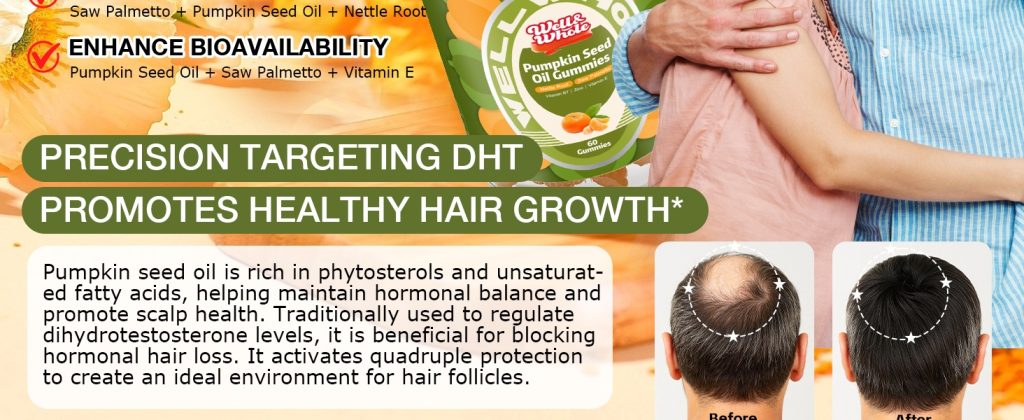
- Certain phytosterols in pumpkin seed oil are studied for their potential to gently modulate hormones linked with pattern hair loss.
A small clinical study on men with hair thinning suggested that taking pumpkin seed oil orally was associated with increased hair count compared with placebo. While this doesn’t prove pumpkin seed oil is a cure‑all, it supports the idea that dietary oils for hair and scalp support can play a meaningful role when combined with a balanced lifestyle.
From the perspective of a nutrition‑driven company like Well&Whole, pumpkin seed oil is not just a beauty trend. It’s part of a broader category of functional oils that support the body from within, especially when used consistently and at appropriate doses.
In short, pumpkin seed oil offers a mix of fatty acids, antioxidants, and plant sterols that make it a promising ingredient in natural hair growth supplements, particularly for people searching for “natural hair loss remedies for adults,” “best edible oils for hair fall control,” and “nutritional support for thinning hair.”
How Taking Pumpkin Seed Oil Orally May Support Hair Growth
When people ask whether they can take pumpkin seed oil orally for hair growth, they usually want to know how it might work, not just whether it’s possible. While research is still developing, there are several plausible pathways:
- Support for Hair Follicle Environment
Hair grows out of follicles embedded in the scalp. Those follicles respond to hormones, blood flow, inflammation, and nutrient availability. The fatty acids in pumpkin seed oil may help maintain the lipid barrier of the scalp, supporting a more balanced environment for follicles. - Hormone-Related Effects
Some evidence suggests that compounds in pumpkin seed oil may mildly influence 5‑alpha‑reductase, an enzyme involved in converting testosterone into dihydrotestosterone (DHT). Since DHT is often implicated in pattern hair loss, this is one reason pumpkin seed oil appears in discussions about oral DHT blockers for hair loss. The effect is considered gentler than prescription medications, which is appealing to people looking for a more natural approach. - Antioxidant Protection
Everyday stressors—from UV exposure to pollution—contribute to oxidative stress. Over time, that can affect both the scalp and the hair shaft. The antioxidant profile of pumpkin seed oil, particularly tocopherols (forms of vitamin E), may help defend against this damage, which is why it is often compared with other antioxidant‑rich hair growth supplements. - Nutritional Synergy
Pumpkin seed oil rarely acts alone in a thoughtfully designed supplement. At Well&Whole, for example, we look at how it can be combined with other nutrients—such as zinc, biotin, or herbal extracts—to support hair from multiple angles rather than relying on a single ingredient.
Taken together, these factors suggest that oral pumpkin seed oil can be a meaningful component of a broader routine for hair and scalp health, especially for people researching “how to use pumpkin seed oil capsules for hair growth,” “natural supplements to reduce DHT naturally,” and “nutritional strategies for healthier, fuller hair.”
How to Take Pumpkin Seed Oil Orally for Hair
If you decide to explore pumpkin seed oil as part of your hair routine, a few practical points help you use it in a more structured, responsible way.
1. Choose the format that fits your lifestyle
You’ll usually find pumpkin seed oil in two forms:
- Softgel capsules – Easier to dose, no taste, convenient for travel.
- Liquid oil – Can be mixed with salads, smoothies, or drizzled over cooked foods after heating.
For many people, capsules feel more like a targeted wellness product, while liquid oil fits better into a food‑first approach.
2. Pay attention to dosage and label instructions
There isn’t a single universally agreed‑upon dose, but many products fall into the 1,000–2,000 mg per day range, split across one or two servings. Reputable brands will specify:
- Amount of oil per capsule or serving
- Suggested daily intake
- Any relevant cautions
As a health‑focused trade company, Well&Whole emphasizes clear labelling so end customers can work with health professionals to personalize their intake.
3. Be consistent and patient
Hair grows slowly—often only about 1–1.5 cm per month. Even under ideal conditions, you’ll usually need at least 3–6 months of consistent use to fairly judge whether a supplement is helping. Pumpkin seed oil is not a quick fix; it works, if at all, gradually, alongside lifestyle factors like sleep, stress management, and diet.
In practice, using pumpkin seed oil capsules or liquid as part of a daily routine—rather than sporadically—offers the best chance to support hair over the long term, especially for people searching for “daily hair growth supplement routines,” “how long to take pumpkin seed oil for hair results,” and “best way to combine hair vitamins and natural oils.”
Safety, Side Effects, and Who Should Be Cautious
For most generally healthy adults, pumpkin seed oil is considered well tolerated, especially when used at typical supplemental or culinary doses. Still, any ingredient that can influence the body should be approached thoughtfully.
Points to keep in mind:
- Digestive discomfort: Taking too much oil at once can cause mild stomach upset or loose stools in some people. Starting with the lower end of the suggested dose and taking it with food may help.
- Allergies: Anyone with a known pumpkin or seed allergy should speak with a healthcare professional before trying pumpkin seed oil.
- Medications and conditions: Because pumpkin seed oil may have mild hormone‑related and cardiovascular effects, people on prescription medications or with chronic conditions should check with a doctor or pharmacist before adding any oral hair growth supplements.
Well‑manufactured products from brands like Well&Whole are typically tested for purity and made to meet regulatory requirements in their target markets. Even high‑quality products, however, should not replace a medical evaluation when hair loss is sudden, severe, or accompanied by other symptoms.
Overall, pumpkin seed oil has a good safety profile for most adults when taken as directed, making it a reasonable consideration for those comparing “safe natural hair growth supplements,” “non‑prescription options for hair thinning,” and “gentle oral treatments for early hair loss.”
How Pumpkin Seed Oil Fits into a Bigger Hair Health Strategy
Even the best supplement cannot replace a well‑rounded strategy. Pumpkin seed oil works best as one part of a broader approach that includes nutrition, topical care, and lifestyle.
A more complete plan might include:
- A balanced diet with adequate protein, iron, and micronutrients
- Gentle cleansing routines that avoid harsh sulfates
- Scalp massage to support blood flow
- Stress management techniques, from exercise to mindfulness
- Regular check‑ins with a dermatologist or trichologist if hair loss persists
For a company like Well&Whole, pumpkin seed oil is part of a portfolio of natural ingredients chosen to complement each other—rather than compete. When combined with other evidence‑informed nutrients and responsible guidance, it can become a sustainable addition to a long‑term hair wellness routine.
Viewed this way, pumpkin seed oil is not a magic bullet but a valuable piece in the puzzle for people exploring “holistic routines for thicker hair,” “integrative care plans for hair and scalp health,” and “combining diet, supplements, and lifestyle for hair regrowth support.”
FAQs
- How long does it take for oral pumpkin seed oil to show results for hair growth?
Most users should allow at least 3–6 months of daily use before judging results. Hair cycles are slow, and changes are often subtle at first. For many, pumpkin seed oil works best as a long‑term supportive ingredient rather than a fast‑acting treatment. - Can I use pumpkin seed oil on my scalp and take it orally at the same time?
Yes, many people combine topical application with oral use. Applying it to the scalp may help with softness and comfort, while taking it orally offers nutritional and systemic benefits. If you have a sensitive scalp or skin condition, consult a healthcare professional or dermatologist before starting a new topical routine. - Is pumpkin seed oil enough on its own to stop hair loss?
Pumpkin seed oil can be a helpful part of a hair support strategy, but it is unlikely to fully stop hair loss by itself, especially in cases of advanced or medically driven hair thinning. It tends to work best alongside a balanced diet, proper scalp care, and professional guidance, ideally with high‑quality products from trusted providers such as Well&Whole.