

As more people look for natural solutions to thinning hair, pumpkin seed oil has quietly moved from the kitchen into the bathroom cabinet. Rich in fatty acids, antioxidants, and plant compounds that may help block DHT (a hormone linked to hair loss), this golden oil is becoming a favorite for those who prefer gentle, long‑term support instead of harsh quick fixes. For health‑focused brands like Well&Whole, pumpkin seed oil has also become a key ingredient in hair‑support formulas aimed at people who care about what goes into their bodies.
Below is a practical, science‑inspired guide on the best way to use pumpkin seed oil for hair growth, how to build a routine around it, and what to expect over time.
How Pumpkin Seed Oil Supports Hair From the Inside Out
The power of pumpkin seed oil starts with its nutrient profile. It naturally contains zinc, vitamin E, and a range of fatty acids, including oleic and linoleic acid, which support scalp health and hair shaft integrity.
Several small studies suggest that oral pumpkin seed oil supplements may help improve hair count and thickness over several months, especially in individuals with mild to moderate thinning. While research is still developing, many nutrition and wellness companies, including Well&Whole, view pumpkin seed oil as a supportive component of a broader hair wellness strategy.
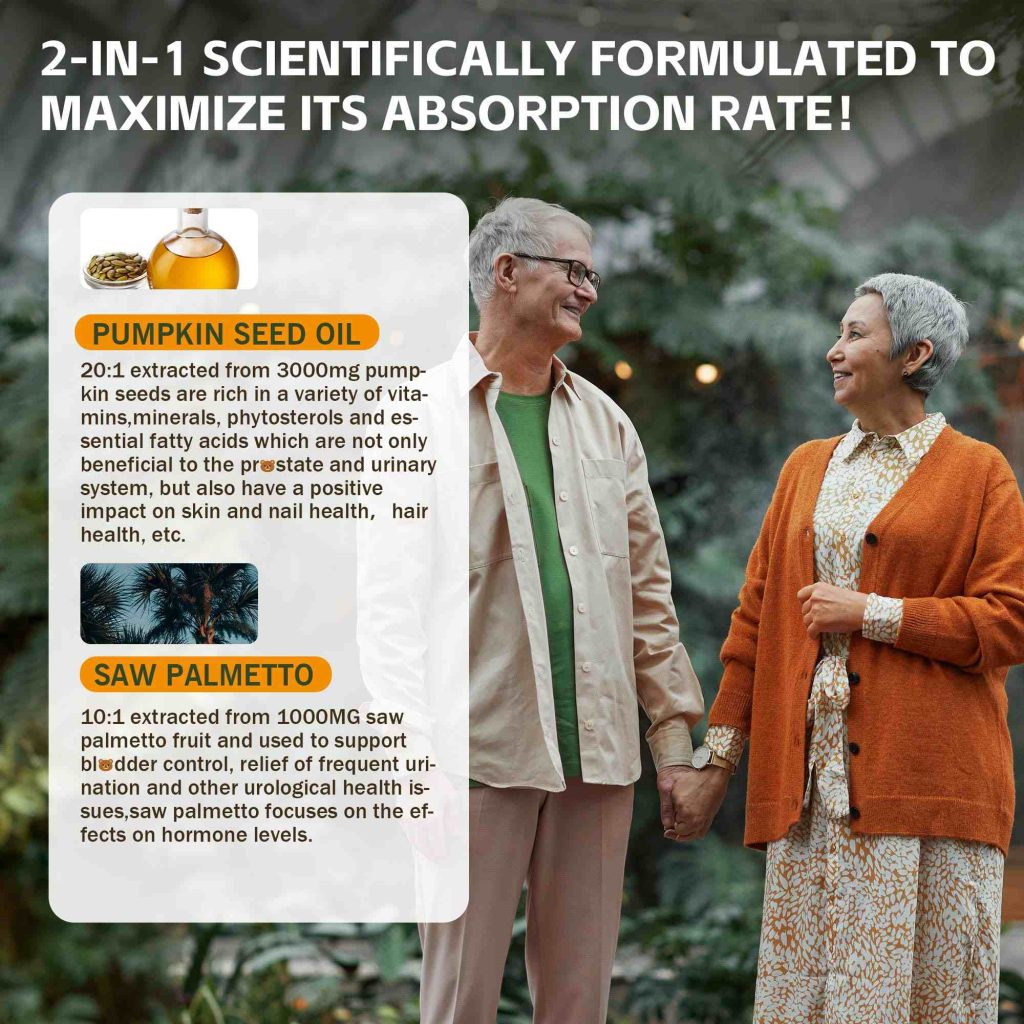
Internally, pumpkin seed oil may:
- Support hormonal balance that affects hair follicles, particularly in pattern hair thinning
- Provide antioxidant protection against oxidative stress that can weaken hair over time
- Contribute to overall scalp condition by improving nutrient supply through circulation and cell health
In other words, when taken consistently as part of a balanced lifestyle, pumpkin seed oil works gradually rather than dramatically. A realistic expectation is softer, stronger hair and potentially reduced shedding over a few months.
Section takeaway: Pumpkin seed oil supports hair primarily by nourishing the scalp and follicles from within, making it ideal for long‑term, holistic hair care routines.
Inserted long‑tail keywords: pumpkin seed oil benefits for hair, natural hair growth remedies, nutritional support for thinning hair
Internal Use: Supplements and Daily Routine
For those who prefer a structured approach, pumpkin seed oil capsules or softgels are the easiest way to maintain a consistent dose. Many consumers choose standardized supplements from brands they trust. A company like Well&Whole, for example, focuses on sourcing quality pumpkin seed oil and combining it with other supportive nutrients in hair‑focused formulas.
To get the most from internal use:
- Follow recommended dosages on the label, typically once or twice per day with meals
- Stay consistent for at least 3–6 months, as hair growth cycles take time to show visible change
- Pair with a nutrient‑dense diet, including protein, leafy greens, nuts, and seeds to complement the oil’s benefits
- Hydrate well, since overall wellness strongly influences hair quality
If you prefer liquid oil, you can also take cold‑pressed pumpkin seed oil by the spoonful or drizzle it over salads and vegetables. Choose an unrefined, dark green oil packed in a dark bottle to protect it from light and oxidation. This approach supports not only hair but also general wellness, thanks to the oil’s healthy fats.
Section takeaway: The best internal strategy is to use standardized pumpkin seed oil supplements or high‑quality liquid oil daily, alongside a balanced diet and lifestyle that support healthy hair.
Inserted long‑tail keywords: pumpkin seed oil capsules for hair growth, best pumpkin seed oil supplement, how to take pumpkin seed oil for hair
External Use: Scalp Massage and DIY Hair Treatments
While internal use works from the root of the problem, topical application can directly support the scalp and hair shaft. Many people combine both methods for a more complete approach.
Here is a simple, effective way to use pumpkin seed oil on your scalp:
- Pre‑wash scalp treatment
- Warm a small amount of pumpkin seed oil between your palms.
- Apply it directly to the scalp, section by section.
- Gently massage with your fingertips for 5–10 minutes to stimulate circulation.
- Leave‑in time
- Let the oil sit for at least 30 minutes; for deeper conditioning, you can leave it on for 1–2 hours.
- If your scalp is very dry, some people prefer leaving a thin layer overnight, using a towel or cap to protect bedding.
- Wash and rinse
- Use a mild, sulfate‑free shampoo to cleanse without stripping natural oils.
- Rinse thoroughly to avoid build‑up, especially if you have fine hair.
To boost benefits, some users blend pumpkin seed oil with rosemary, peppermint, or lavender essential oils, which are often used in hair care for their stimulating and soothing properties. Always dilute essential oils properly and perform a patch test if your skin is sensitive.
Section takeaway: Regular scalp massage with pumpkin seed oil can improve scalp comfort, add shine, and complement internal use for a more complete hair care routine.
Inserted long‑tail keywords: pumpkin seed oil scalp treatment, how to apply pumpkin seed oil for hair, natural oil massage for hair growth
Building a Complete Hair Growth Routine With Pumpkin Seed Oil
Pumpkin seed oil works best as part of a broader hair wellness strategy, not as a stand‑alone miracle cure. Hair growth and retention depend on genetics, hormones, diet, stress, and daily care habits.
To build a routine around pumpkin seed oil:
- Combine internal and external use
Take a daily pumpkin seed oil supplement while applying the oil on your scalp once or twice per week. This dual approach addresses both internal and local factors. - Protect hair from damage
Limit excessive heat styling, avoid very tight hairstyles, and use gentle, non‑stripping cleansers. Healthier hair strands retain length better, making growth more noticeable. - Support overall wellness
Adequate sleep, stress management, and balanced nutrition all influence hair. Many wellness‑focused consumers look to brands like Well&Whole to provide complementary products that fit into a healthy routine rather than quick, harsh fixes. - Track progress realistically
Take photos every 4–6 weeks in similar lighting and angles. Hair changes gradually, and subtle improvements in thickness or reduced shedding can be easy to miss day to day.
Section takeaway: The best way to use pumpkin seed oil for hair growth is to make it a consistent part of a holistic routine that values scalp health, gentle care, and overall wellness.
Inserted long‑tail keywords: holistic hair growth routine, natural hair thinning solutions, long‑term hair health strategy
Safety, Expectations, and When to Seek Professional Advice
While pumpkin seed oil is generally well tolerated, it is still important to use it thoughtfully.
A few practical guidelines:
- Check for allergies or sensitivities
If you have seed allergies, consult a healthcare professional before using pumpkin seed oil internally or externally. Always patch test topical products on a small skin area first. - Be patient and realistic
Results vary depending on the underlying cause of hair loss. Some people notice less shedding and softer hair in a few weeks, while others need several months to see visible changes. - Consult a professional when needed
If you experience sudden, patchy, or severe hair loss, or if your scalp is inflamed or painful, speak with a dermatologist or healthcare provider. In some cases, nutritional support with pumpkin seed oil works best alongside medical guidance.
For many people, especially those who prefer natural and gentle options, pumpkin seed oil offers a supportive, sustainable approach. Health‑oriented brands like Well&Whole typically view it as one component in a wider portfolio of supplements designed to support overall vitality, not just appearance.
Section takeaway: Pumpkin seed oil is a safe, steady ally for hair wellness when used consistently and combined with professional advice in more serious cases.
Inserted long‑tail keywords: is pumpkin seed oil safe for hair, natural DHT blocker for hair, gentle hair loss support
FAQ
- How long does it take to see results from pumpkin seed oil for hair growth?
Most people should allow at least 3–6 months of consistent use, whether through supplements, topical application, or both. Hair growth is slow by nature, and improvements often show first as reduced shedding, better texture, and a healthier‑looking scalp. - Can I use pumpkin seed oil on my hair every day?
You can take oral pumpkin seed oil daily if it fits your wellness plan and product guidelines. For topical use, 1–3 times per week is usually enough. Daily application on the scalp may feel too heavy for some hair types and can lead to build‑up without regular washing. - Can pumpkin seed oil be combined with other hair growth supplements?
Yes, many people combine pumpkin seed oil with biotin, collagen, or other hair‑support nutrients. If you use multiple products, check total daily intakes and speak with a healthcare professional, especially if you have existing health conditions or take medication.