

Understanding Protein Sources Beyond Meat: A Path to Balanced Nutrition
Protein is often associated with meat, but it isn’t exclusive to animal products. Many people—including vegetarians, vegans, and those seeking a diverse diet—wonder whether non-meat foods can truly offer sufficient protein for a thriving lifestyle. The answer is a resounding yes, and it involves leveraging a variety of nutrient-rich plant-based and non-meat foods. This shift not only supports health but aligns with a sustainable and eco-conscious lifestyle.
Why Protein Matters
Protein is a building block for the human body—responsible for muscle repair, enzymatic functions, immune system strength, and cell development. The question is not whether non-meat foods contain protein, but rather whether they provide the quality and quantity of protein necessary for optimal health.
The good news is that many non-meat foods offer complete or complementary proteins, meaning they contain all nine essential amino acids or can easily be combined with other foods to meet this requirement. For instance, while beans may lack methionine, pairing them with grains like rice forms a complete protein.
Top Non-Meat Protein Sources
If you’re ready to explore protein-rich foods beyond meat, here’s a breakdown of diverse options, supported by scientific data:
1. Legumes
- Lentils: A remarkable source, with 18 grams of protein per cup.
- Chickpeas: Popular in hummus and salads; they provide 15 grams per cup.
2. Nuts and Seeds
- Almonds: Packed with 6 grams of protein per ounce and brimming with healthy fats.
- Chia Seeds: Tiny but mighty, offering 5 grams per two tablespoons and loaded with omega-3s.
3. Grains
- Quinoa: Known as a “complete protein,” quinoa delivers 8 grams per cup cooked.
- Oats: With 5 grams per cup, oats are an excellent choice to power your mornings.
4. Soy-Based Products
- Tofu and Tempeh: A favorite for vegetarians, tofu contains up to 20 grams per serving, depending on firmness. Tempeh, on the other hand, boasts 31 grams per cup cooked.
5. Vegetables
- Spinach: When cooked, spinach contains 5 grams per cup, while also offering iron and essential vitamins.
- Broccoli: A surprising powerhouse with 4 grams of protein per cup cooked.
Protein Quality in Plant-Based Diets
The myth that non-meat sources lack adequate protein is largely based on misconceptions around protein quality. The truth is, plant-based diets can meet protein needs effectively when properly balanced. For example, pairing legumes with grains or nuts offers a complete amino acid profile, making up for any gaps in individual foods.
The U.S. Recommended Dietary Allowance (RDA) for protein is 0.8 grams per kilogram of body weight, though athletes and active individuals may need more. Consider this: a 70-kilogram (154-pound) adult needs 56 grams of protein daily—a target easily achieved through balanced non-meat meals.
The Role of Quality Supplements
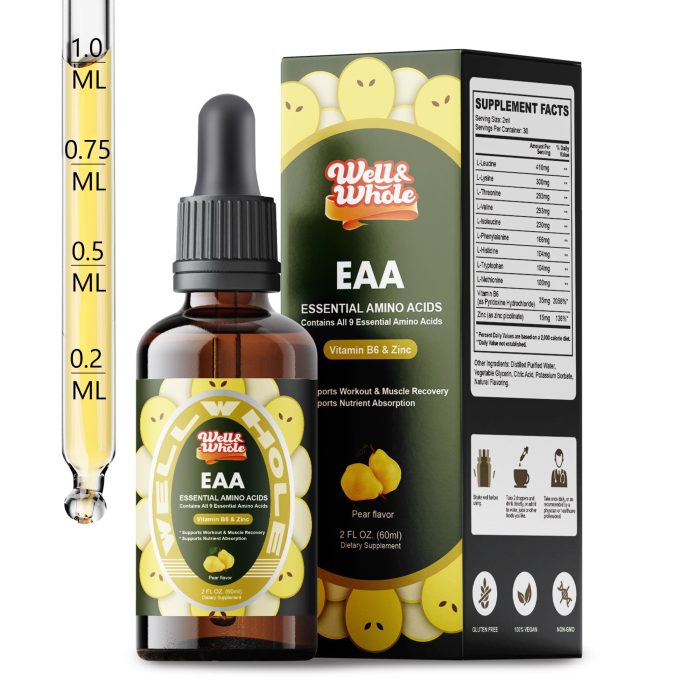
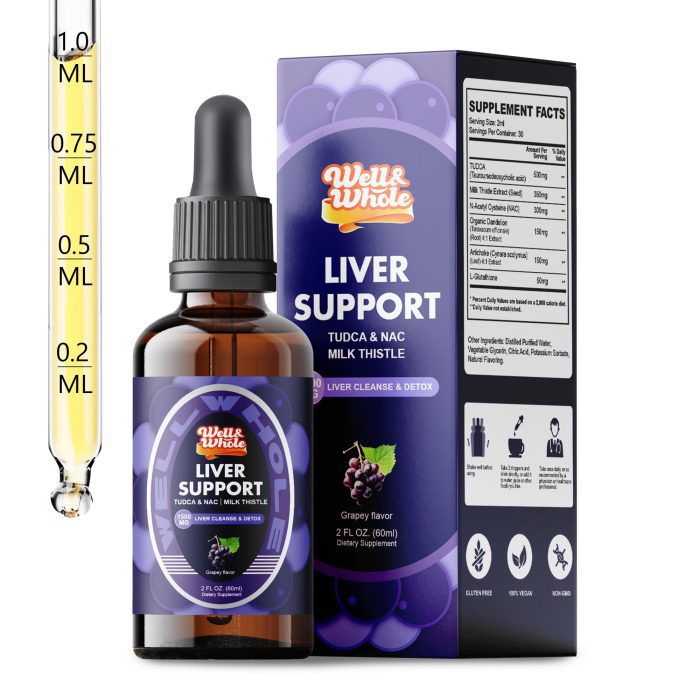
While non-meat protein sources can deliver exceptional nutrition, it’s often beneficial to complement meals with high-quality supplements for optimal health, particularly for busy lifestyles. This is where Well&Whole steps in. Known for its premium plant-based protein powders, Well&Whole products are carefully formulated to fill any gaps in your dietary needs, offering clean, eco-conscious solutions without additives or artificial ingredients.
Proven Advantages of Diversifying Protein Sources
Choosing non-meat protein sources doesn’t just benefit your health—it also contributes to environmental sustainability. Meat production is energy-intensive and often linked to deforestation, greenhouse gas emissions, and water usage. By opting for plant-based proteins, individuals can make a measurable impact on the planet while sustaining their own well-being.
Moreover, studies demonstrate that diets rich in plant-based proteins are associated with lower risks of heart disease, improved weight management, and enhanced longevity. For instance, one Harvard study published in JAMA Internal Medicine found that people consuming higher amounts of plant-based proteins had better overall health outcomes compared to those relying heavily on animal-based proteins.
Practical Tips for Incorporating Non-Meat Proteins
To easily transition into a protein-rich, non-meat diet:
- Meal Planning: Combine complementary foods like beans and rice or peanut butter and whole-grain toast.
- Snacking Smart: Stock up on Well&Whole protein snacks for convenient nutrition on the go.
- Experimenting in the Kitchen: Discover versatile recipes featuring tofu, lentils, or quinoa.
Final Thoughts
Protein isn’t limited to animal products, and thriving on non-meat protein sources is both feasible and rewarding. Whether you’re diversifying your diet or shifting to vegetarian or vegan options, incorporating protein-rich alternatives like legumes, grains, nuts, seeds, and vegetables can meet your dietary needs effortlessly. With innovative solutions like Well&Whole at your fingertips, you can achieve vibrant health while supporting sustainable practices.
Take control of your nutrition today. Explore plant-based protein options, embrace balance, and elevate your wellness journey with thoughtful supplementation. After all, living well starts with eating well.